Pokémon Generations Explained: Every Main Series Game and Region
Every Pokémon generation from Red and Green to Scarlet and Violet: regions, paired versions, remakes, the Legends games and where newcomers should start.
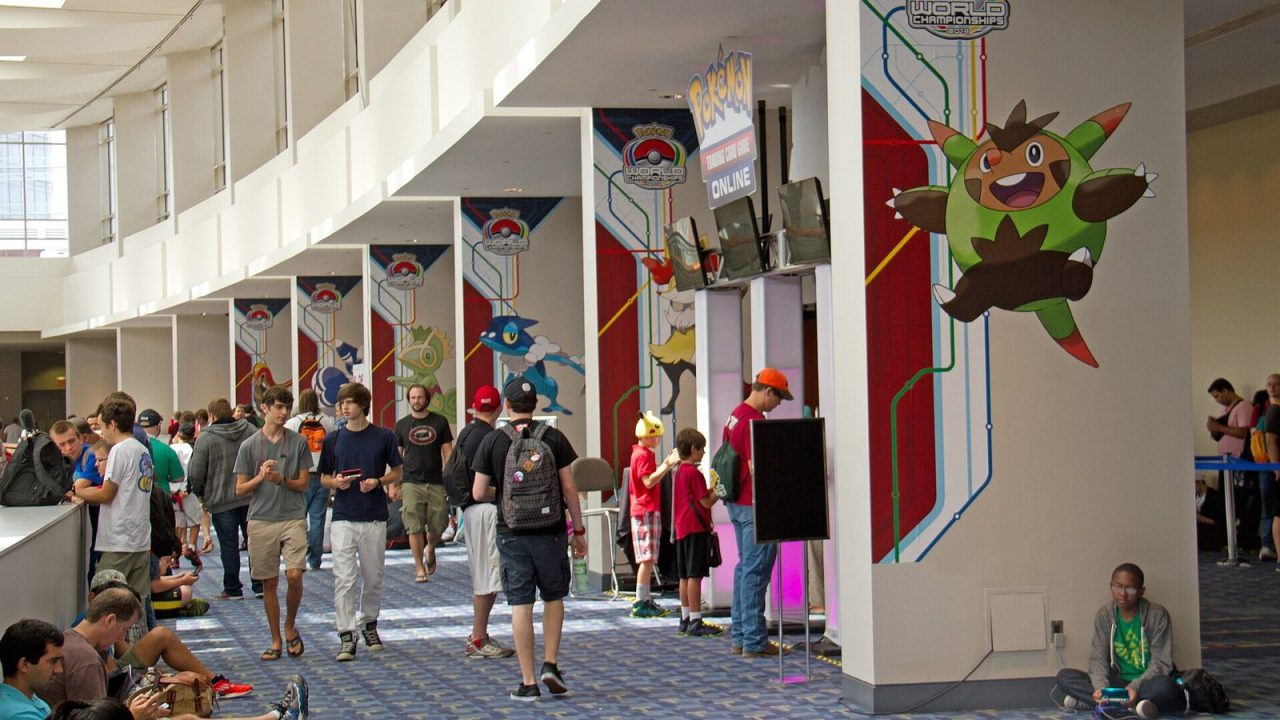
Pokémon celebrated its 30th anniversary in February 2026, and in those three decades the main series has grown to nine generations, with a tenth announced. Each generation introduces a new region, a new batch of Pokémon and usually a pair of games released side by side. Add remakes, “third versions” and the newer Legends sub-series, and the release list can look intimidating. This guide breaks it down generation by generation, explains the patterns behind the naming, and suggests where newcomers should start on Nintendo Switch and Switch 2.
What Is a “Generation”?
A generation is a group of main-series games that introduce a new set of Pokémon and usually a new region to explore. Fans count generations by these new Pokémon: Generation 1 introduced the original 151, Generation 2 added 100 more, and so on. Each new generation typically also brings new mechanics, such as abilities, held items, Mega Evolution or Terastallization.
Within a generation you usually find:
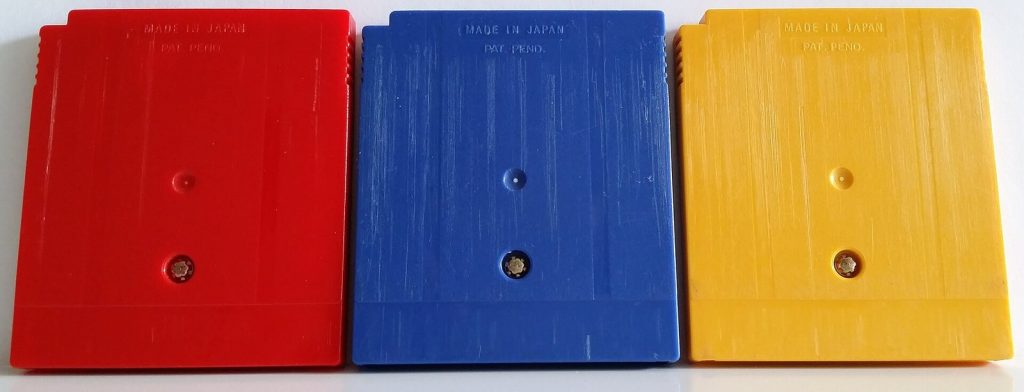
- A paired release: two versions of the same game, such as Pokémon Sword and Pokémon Shield, which differ mainly in which Pokémon appear. The idea is that friends with different versions trade to complete their collection.
- Sometimes a third version or sequel: an expanded take on the pair, such as Pokémon Yellow, Crystal, Emerald or Platinum, or direct sequels like Black 2 and White 2.
- Sometimes remakes of an older generation, rebuilt for newer hardware.
Note that what counts as “main series” can vary between official sources and fan references. This guide follows the common convention of grouping games by the generation of Pokémon they belong to.
Generations 1 to 9 at a Glance
Years below are first releases in Japan; Western releases sometimes followed months or years later, as noted.
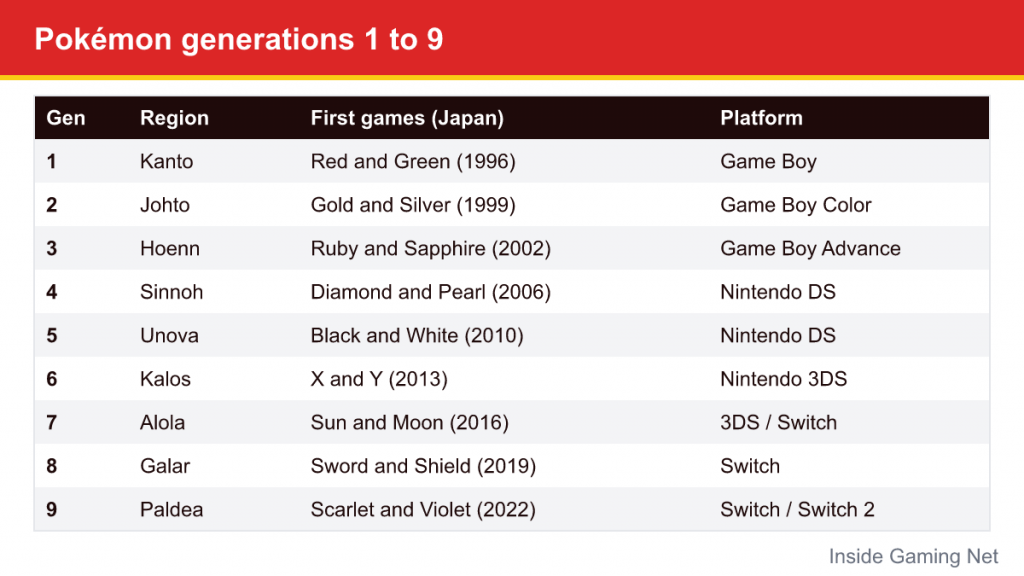
| Gen | Region | Main games | Original platform |
|---|---|---|---|
| 1 | Kanto | Red and Green (1996, Japan), Red and Blue (1998, North America), Yellow | Game Boy |
| 2 | Johto | Gold and Silver (1999, Japan; 2000 West), Crystal | Game Boy Color |
| 3 | Hoenn | Ruby and Sapphire (2002, Japan; 2003 West), FireRed and LeafGreen (Kanto remakes), Emerald | Game Boy Advance |
| 4 | Sinnoh | Diamond and Pearl (2006, Japan; 2007 West), Platinum, HeartGold and SoulSilver (Johto remakes) | Nintendo DS |
| 5 | Unova | Black and White (2010, Japan; 2011 West), Black 2 and White 2 | Nintendo DS |
| 6 | Kalos | X and Y (2013, worldwide), Omega Ruby and Alpha Sapphire (Hoenn remakes) | Nintendo 3DS |
| 7 | Alola | Sun and Moon (2016), Ultra Sun and Ultra Moon, Let’s Go, Pikachu! and Let’s Go, Eevee! (Kanto, 2018) | 3DS / Switch |
| 8 | Galar | Sword and Shield (2019), Brilliant Diamond and Shining Pearl (Sinnoh remakes, 2021), Legends: Arceus (2022) | Switch |
| 9 | Paldea | Scarlet and Violet (2022), Legends: Z-A (2025) | Switch / Switch 2 |
Generation by Generation: What Each One Added
Generation 1: Kanto
The original games introduced the core loop that still defines the series: catch creatures, train them in turn-based battles, defeat eight Gym Leaders and challenge the Elite Four. Trading via a link cable was essential to “catch ’em all.”
Generation 2: Johto
Gold and Silver added a day-night cycle tied to a real-time clock, breeding, held items, and the Dark and Steel types. They also let players return to Kanto after the main adventure, which remains one of the most celebrated post-game surprises in the series.
Generation 3: Hoenn
Ruby and Sapphire introduced Abilities and Natures, deepening the battle system, and double battles. FireRed and LeafGreen became the first remakes.
Generation 4: Sinnoh
Diamond and Pearl introduced the physical/special split, which made each move’s category depend on the move itself rather than its type, a major change for competitive play. They also brought Wi-Fi trading and battles.
Generation 5: Unova
Black and White featured an entirely new set of Pokémon in the main story and a more ambitious plot. Black 2 and White 2 are the only direct numbered sequels in the main series.
Generation 6: Kalos
X and Y moved the series to full 3D models and introduced the Fairy type and Mega Evolution. They were the first main-series games released worldwide at the same time.
Generation 7: Alola
Sun and Moon replaced Gyms with Island Trials and introduced Z-Moves and regional forms. Let’s Go, Pikachu! and Let’s Go, Eevee! brought a simplified, Pokémon GO-inspired take on Kanto to Switch.
Generation 8: Galar
Sword and Shield were the first new-generation main games on a home console, introducing Dynamax and Gigantamax and the open Wild Area. Their two-part Expansion Pass added new areas instead of a third version.
Generation 9: Paldea
Scarlet and Violet were the first fully open-world main-series games, letting players tackle three storylines in any order, and introduced Terastallization. Their DLC, The Hidden Treasure of Area Zero, added the Kitakami and Blueberry Academy areas.
How the Legends Sub-Series Fits In
The Legends games are main-series titles that experiment more boldly with the formula.
- Pokémon Legends: Arceus (January 28, 2022, Switch) is set in Hisui, the historical version of the Sinnoh region. It focuses on catching and researching Pokémon in large open areas, with battles playing a smaller role. It is generally grouped with Generation 8.
- Pokémon Legends: Z-A (October 16, 2025, Switch and Switch 2) is set in Lumiose City from the Kalos region and moves battles to a real-time system. It brought back Mega Evolution and is generally grouped with Generation 9.
Because they revisit older regions in different eras, the Legends games work well as standalone experiences. You do not need to have played Diamond and Pearl or X and Y first, though fans of those games will spot many connections.
Generation 10 and the Wider Pokémon Lineup
At the Pokémon Presents broadcast on February 27, 2026, The Pokémon Company announced Pokémon Winds and Pokémon Waves, the first games of Generation 10, set in a tropical, island-based region. As of October 2026 they are scheduled for 2027 on Nintendo Switch 2, without a more specific date announced. The three new starter Pokémon revealed were Browt (Grass), Pombon (Fire) and Gecqua (Water).
Outside the main series, the franchise keeps branching out. Pokémon Pokopia, a life-simulation spin-off, released on March 5, 2026, and there are long-running side series such as Mystery Dungeon and Pokémon Snap. These are worth exploring but are separate from the generation structure.
Where Should Newcomers Start?
Pokémon Scarlet or Violet
The most recent paired main-series games offer the full modern experience: an open world, all the core systems and a wide range of Pokémon. They are a natural starting point for players who want the classic gym-based adventure.
Pokémon Legends: Z-A
Ideal for players who find turn-based battles slow. Its real-time combat and city setting make it feel more like an action game, and the Switch 2 Edition takes advantage of the newer hardware.
Pokémon Legends: Arceus
A great choice for players who enjoy exploring and collecting more than battling. Catching Pokémon by sneaking up on them and throwing Poké Balls directly is especially satisfying.
Pokémon Let’s Go, Pikachu! or Let’s Go, Eevee!
The gentlest option for young children. Wild Pokémon are caught with a simple motion-based throw instead of being battled, and the story is a streamlined version of the original Kanto adventure.
Pokémon Sword or Shield
More linear than Scarlet and Violet, with a straightforward structure that is easy to follow. A solid pick for players who like a clear path.
Which Version Should I Buy?
For paired games, the differences are small. Each version has a handful of exclusive Pokémon and sometimes different Gym Leaders or story details, but the adventure is the same. Most players simply pick the version whose mascot Pokémon they prefer. Families buying for two children often get one of each so the kids can trade and complete their collections together.
Tips for First-Time Trainers
- Do not worry about the “best” starter. Every starter Pokémon can finish the main story. Pick the one you like the look of.
- Build a varied team. Covering several types makes it easier to handle Gym Leaders and rivals who specialize in one type.
- Catch more than you need. Swapping in new Pokémon keeps the adventure fresh and helps you learn type match-ups naturally.
- Read move descriptions. Status moves that lower an opponent’s stats or put them to sleep are often more useful than they first appear.
- Save the competitive deep end for later. Concepts like individual values and effort values matter for online battles but are not needed to enjoy the story.
Common Questions
Do I need to play older generations first?
No. Each generation starts a new adventure with a new protagonist. Older games add context and nostalgia but are never required.
Can I bring Pokémon from older games?
Pokémon HOME, a cloud-based storage service, lets players move compatible Pokémon between many recent games. Which Pokémon can be used in which game varies, so check compatibility in HOME before transferring.
Are the older generations playable on Switch?
Mostly through remakes. Let’s Go revisits Kanto and Brilliant Diamond and Shining Pearl revisit Sinnoh, but most older main-series games remain tied to their original handheld hardware. Nintendo’s subscription service has picked up some Pokémon spin-offs instead; Pokémon XD: Gale of Darkness, for example, was announced for the GameCube library on Switch 2 in February 2026.
For a look at the hardware these games run on, see our Switch vs Switch 2 comparison. If you are buying for a younger player, our parental controls guide explains how to manage online trading and communication features.