




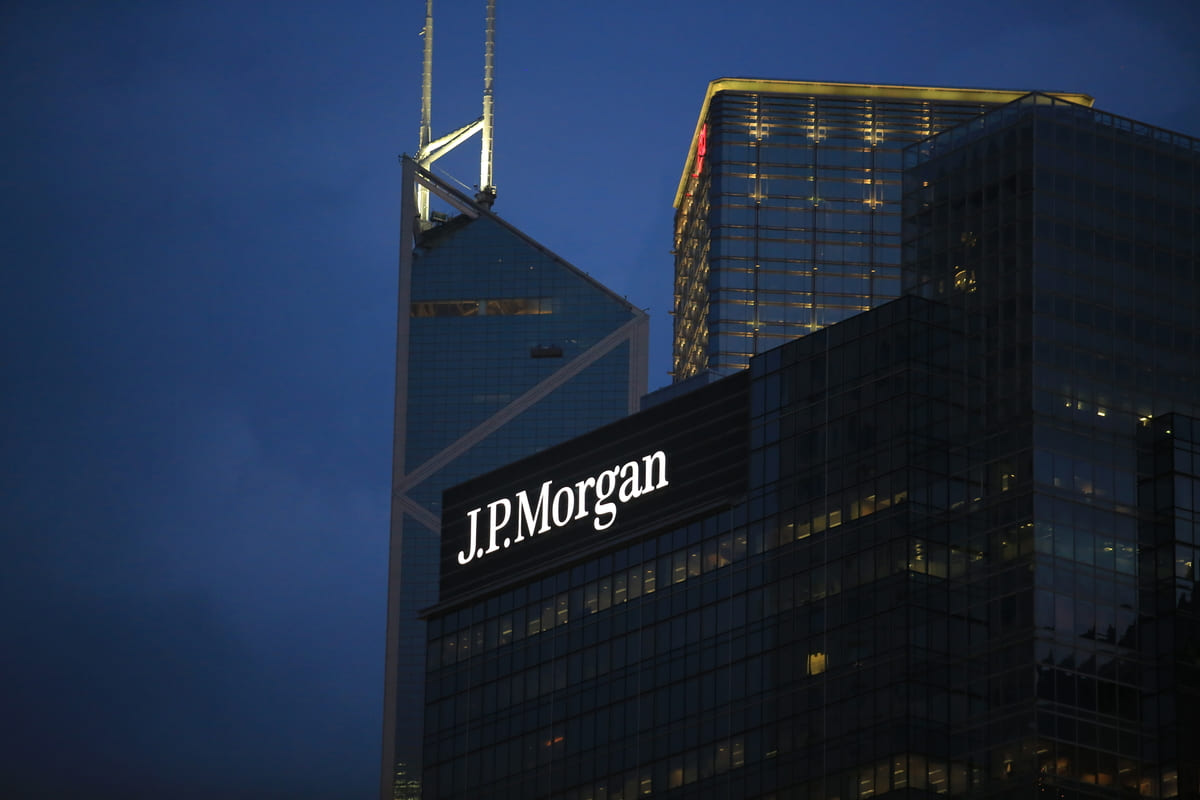
JPMorgan Chase is on the verge of achieving a historic milestone that would cement its position as the undisputed titan of global banking. According to a recent Reuters report, the American financial giant is rapidly approaching a market capitalization of $1 trillion, a threshold no bank in history has ever crossed. This remarkable achievement would place the institution in an elite category currently occupied only by technology behemoths and a handful of other industry leaders.
The bank’s current market valuation has already surpassed a staggering benchmark: its worth now exceeds the combined market capitalization of its three closest competitors. This extraordinary gap underscores the dominant position JPMorgan has carved out in the financial services industry over the past two decades, particularly following the 2008 financial crisis when it emerged stronger than many of its peers.
The Road to Unprecedented Valuation
JPMorgan’s journey toward this trillion-dollar milestone reflects years of strategic expansion, disciplined risk management, and aggressive investment in technology. Under the leadership of CEO Jamie Dimon, who has helmed the bank since 2005, the institution has consistently outperformed its rivals in both profitability and market positioning. Dimon’s long-term vision has transformed JPMorgan from a traditional banking powerhouse into a diversified financial services conglomerate with significant presence in investment banking, asset management, and consumer banking.
The bank’s resilience during economic downturns has been particularly noteworthy. During the 2008 financial crisis, while competitors like Bear Stearns and Washington Mutual collapsed, JPMorgan acquired these struggling institutions at bargain prices, expanding its footprint and customer base. Similarly, during the COVID-19 pandemic, the bank demonstrated remarkable stability, benefiting from increased trading activity and government stimulus programs that boosted consumer deposits.
Industry Context and Competitive Landscape
The banking sector has undergone dramatic transformation in recent years, with digital innovation and consolidation reshaping the competitive landscape. JPMorgan has invested billions of dollars in technology infrastructure, artificial intelligence, and cybersecurity, positioning itself as a fintech leader among traditional banks. The institution reportedly spends over $15 billion annually on technology initiatives, dwarfing the budgets of many pure-play technology companies.
This technological prowess has allowed JPMorgan to compete effectively not only with traditional banking rivals like Bank of America, Wells Fargo, and Citigroup, but also with emerging fintech disruptors and digital payment platforms. The bank’s mobile application now serves tens of millions of active users, while its wholesale payments division processes trillions of dollars in transactions daily. Industry analysts note that this dual strength in both traditional banking and digital innovation has created a virtually unassailable competitive moat.
Global Implications and Future Outlook
A trillion-dollar valuation for JPMorgan would have significant implications for the global financial system and regulatory oversight. Such concentration of value in a single financial institution raises questions about systemic risk and market competition. Regulators in the United States and abroad have long grappled with the “too big to fail” dilemma, and a trillion-dollar bank would intensify these concerns. However, proponents argue that JPMorgan’s size actually provides stability during market turbulence, as the institution has sufficient capital reserves and diversified revenue streams to weather economic storms.
Looking ahead, analysts project continued growth for JPMorgan, driven by rising interest rates that boost lending margins, strong performance in its investment banking division, and ongoing expansion in international markets. The bank has been particularly aggressive in pursuing opportunities in emerging economies and digital asset services, positioning itself for the next generation of financial innovation. Whether JPMorgan crosses the trillion-dollar threshold in the coming months or years, its trajectory reflects broader trends reshaping global finance and the increasing dominance of American financial institutions in world markets.
Expert Opinion: JPMorgan’s approach to the trillion-dollar milestone signals a fundamental shift in how markets value financial institutions, rewarding scale, technological sophistication, and diversification over traditional banking metrics. This valuation premium suggests investors increasingly view mega-banks as technology platforms rather than pure financial intermediaries, a trend likely to accelerate industry consolidation as smaller institutions struggle to compete with the investment capacity of giants like JPMorgan.