




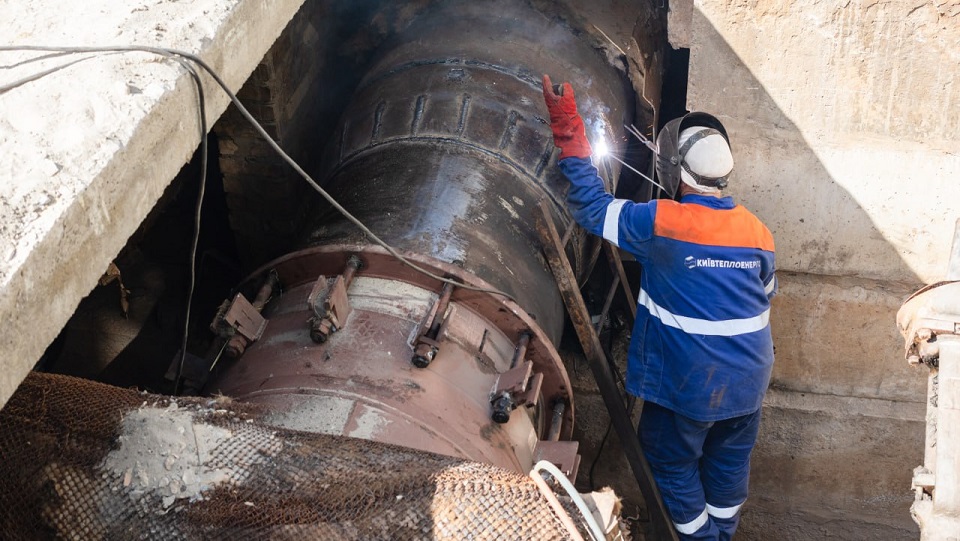
The European Bank for Reconstruction and Development (EBRD) has approved a substantial €50 million loan to support Kyivteploenergo, the primary municipal utility company responsible for heating and hot water supply in Ukraine’s capital city. This critical financial assistance comes as Ukraine continues to face unprecedented challenges to its energy infrastructure, particularly as the country approaches another winter season while managing the devastating impacts of ongoing military conflict.
The decision represents a significant commitment from international financial institutions to maintain essential services for Kyiv’s approximately 3 million residents. Kyivteploenergo operates one of the largest district heating networks in Europe, serving hundreds of thousands of households, hospitals, schools, and other vital facilities throughout the metropolitan area. The company’s ability to function effectively has become a matter of national importance and international humanitarian concern.
Critical Infrastructure Under Pressure
Ukraine’s energy sector has faced extraordinary challenges since the escalation of conflict in February 2022. Repeated attacks on power generation facilities, transmission lines, and heating infrastructure have left millions of Ukrainians vulnerable, particularly during harsh winter months when temperatures can plunge well below freezing. The capital city’s heating network, which relies on a complex system of combined heat and power plants, boiler stations, and thousands of kilometers of distribution pipelines, has been working under extreme duress to maintain service continuity.
Kyivteploenergo was established in 2018 as part of broader reforms to modernize Ukraine’s municipal utility sector. The company took over heating operations from the previous utility provider and has since been working to improve efficiency, reduce losses, and upgrade aging Soviet-era infrastructure. Before the current crisis, the company had already embarked on ambitious modernization programs, many supported by international development partners including the EBRD, the European Investment Bank, and various bilateral donors.
EBRD’s Ongoing Commitment to Ukraine
The European Bank for Reconstruction and Development has been one of the most active international financial institutions supporting Ukraine throughout the ongoing crisis. Since 2022, the EBRD has dramatically increased its investments in the country, focusing on maintaining critical infrastructure, supporting private sector resilience, and helping prepare for eventual reconstruction. The bank has invested billions of euros across various sectors, including energy, transportation, agriculture, and municipal services.
This latest loan to Kyivteploenergo is part of a broader strategy to ensure that essential utilities remain operational despite the challenging circumstances. The funding will likely be used for operational needs, emergency repairs, fuel procurement, and potentially some infrastructure improvements to increase system resilience. Such support is crucial as Ukraine works to decentralize its energy systems and reduce vulnerability to targeted attacks on large generation facilities.
Looking Toward Recovery and Modernization
Beyond immediate crisis response, international support for Ukrainian utilities also aims to lay groundwork for longer-term modernization and alignment with European Union standards. Ukraine’s official candidacy for EU membership has accelerated efforts to reform and upgrade various sectors, including energy and municipal services. The heating sector, in particular, offers significant opportunities for improved energy efficiency, reduced emissions, and integration of renewable energy sources.
Experts note that the district heating networks common in post-Soviet countries, while requiring significant investment to modernize, can actually provide advantages for energy transition when properly upgraded. Modern district heating systems can efficiently distribute heat from various sources, including waste heat from industry, geothermal energy, and heat pumps powered by renewable electricity. The current crisis, while devastating, may ultimately accelerate the transformation of Ukraine’s energy sector toward more sustainable and resilient models.
Expert Opinion: The EBRD’s €50 million commitment signals continued Western resolve to support Ukraine’s critical infrastructure through what promises to be another challenging winter. This funding model—combining immediate operational support with longer-term modernization goals—will likely serve as a template for reconstruction financing across Ukraine’s utility sector. The resilience demonstrated by companies like Kyivteploenergo, combined with sustained international backing, suggests that Ukraine’s essential services will continue to function despite ongoing pressures, though the coming months will test both infrastructure and international commitment.