



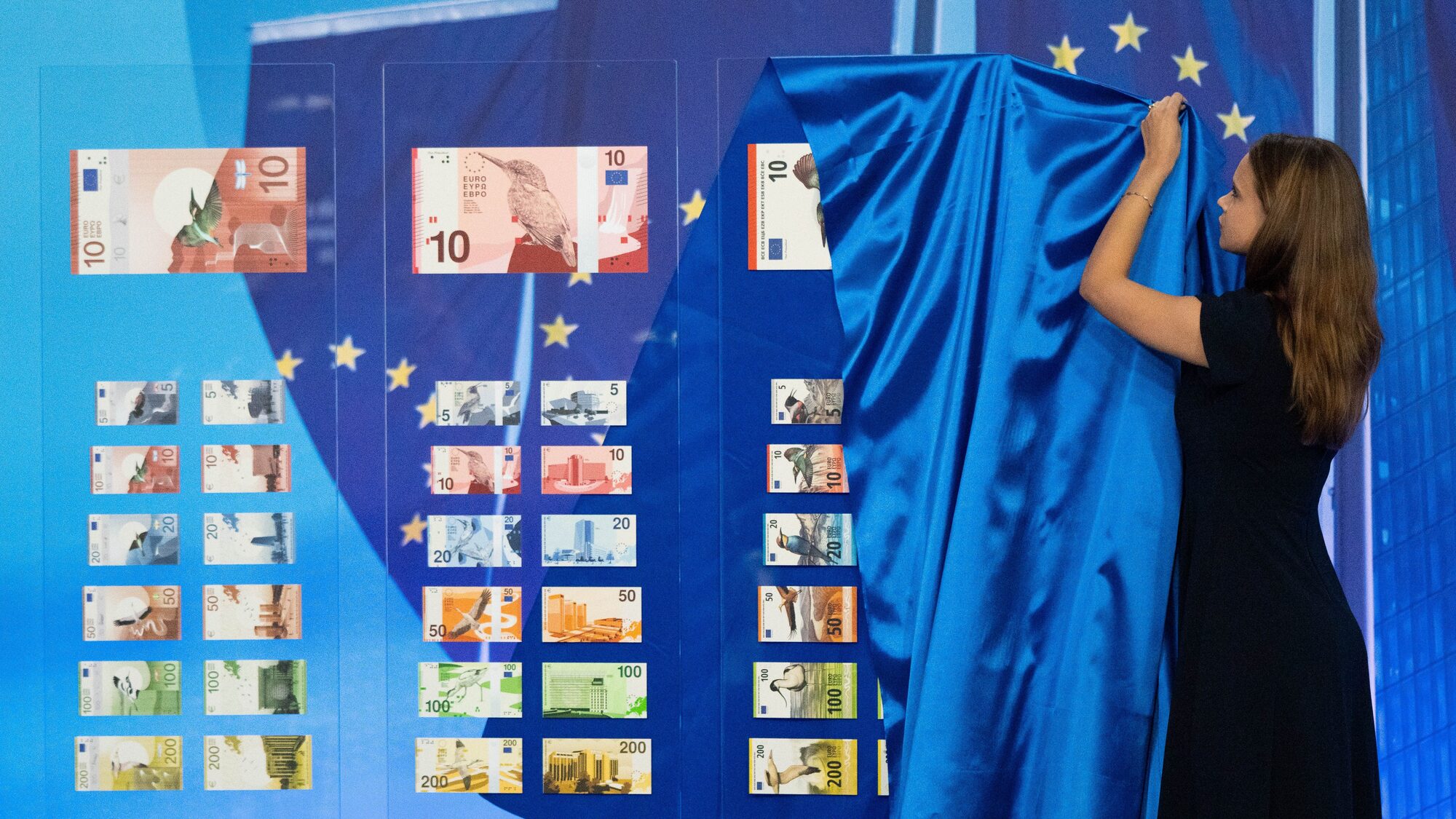
The European Central Bank has launched a comprehensive public consultation across all eurozone countries to determine the future appearance of euro banknotes. This landmark initiative marks the first major redesign effort since the currency’s physical introduction over two decades ago, inviting citizens from all 20 eurozone member states to participate in shaping the visual identity of their shared currency. The consultation represents a significant moment in European monetary history, as the iconic banknotes used by approximately 350 million people daily may soon undergo a dramatic transformation.
The ECB has presented ten distinct design concepts for public consideration, each reflecting different aspects of European culture, heritage, and values. These proposed designs aim to modernize the currency while maintaining its recognizable character and incorporating enhanced security features necessary for the digital age. European officials have emphasized that the final selection will reflect the collective voice of eurozone citizens, making this one of the most democratic currency design processes in history.
Historical Context of Euro Banknote Design
The euro was introduced as an accounting currency in 1999 and entered physical circulation on January 1, 2002, replacing twelve national currencies in what was then the largest monetary changeover in history. The original banknote designs, created by Austrian designer Robert Kalina, feature architectural styles from various periods of European history, including Classical, Romanesque, Gothic, Renaissance, Baroque, and modern architecture. Importantly, the depicted structures are not actual buildings but generic representations to avoid favoring any particular member state.
The first series of euro banknotes, known as the “ES1” series, served the eurozone for over a decade before the “Europa” series began rolling out in 2013. This second series introduced enhanced security features and a portrait of Europa, a figure from Greek mythology, in the watermark and hologram. The Europa series was completed in 2019 with the release of the new €100 and €200 notes. Now, nearly a quarter-century after the euro’s physical debut, the ECB believes it is time for a more comprehensive visual refresh that better represents contemporary Europe.
Public Consultation Process and Timeline
The public consultation launched by the ECB represents an unprecedented level of citizen engagement in monetary design. Eurozone residents can participate through online surveys, focus groups, and various feedback mechanisms established across member states. The ECB has partnered with national central banks to ensure broad accessibility and participation from diverse demographic groups, including young people, elderly citizens, and those with visual impairments who rely on tactile features of banknotes.
The consultation process is expected to span several months, with preliminary results anticipated by late 2024 or early 2025. Following the public input phase, the ECB’s Governing Council will make the final decision on the new designs. Production and distribution of the redesigned banknotes could then take several additional years, with most experts predicting the new notes might enter circulation around 2028 or 2029. This extended timeline allows for thorough security testing and coordination among eurozone printing facilities.
Security Features and Anti-Counterfeiting Measures
Beyond aesthetics, the new banknote designs will incorporate cutting-edge security technologies to combat increasingly sophisticated counterfeiting operations. Modern banknote security has evolved dramatically since 2002, with features now including complex holograms, color-shifting inks, microprinting, and machine-readable elements invisible to the naked eye. The ECB has indicated that the redesigned notes will feature security innovations that leverage advancements in materials science and printing technology developed over the past two decades.
The fight against counterfeiting remains a critical priority for the ECB. In 2023, approximately 467,000 counterfeit euro banknotes were withdrawn from circulation, though this represents only a tiny fraction of the billions of genuine notes in use. The new designs aim to make counterfeiting even more difficult while ensuring that authentication remains straightforward for businesses and citizens. Additionally, the redesigned notes will be more durable and environmentally sustainable, reflecting growing concerns about the ecological impact of currency production.
Expert Opinion: The ECB’s decision to involve citizens directly in selecting new banknote designs signals a broader effort to strengthen emotional connections between Europeans and their shared currency during a period of economic uncertainty. This participatory approach could prove strategically valuable in reinforcing monetary union cohesion, particularly as discussions about digital euro implementation continue. The ultimate design choices will likely balance traditional European symbolism with forward-looking imagery that appeals to younger generations who increasingly favor digital payments.