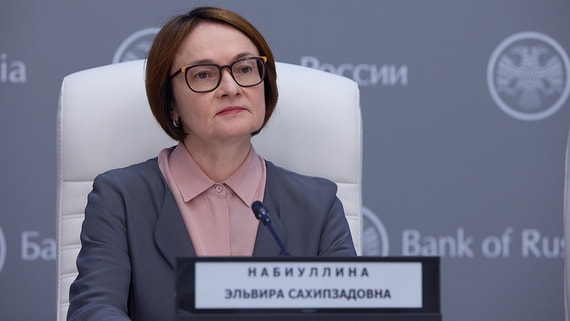




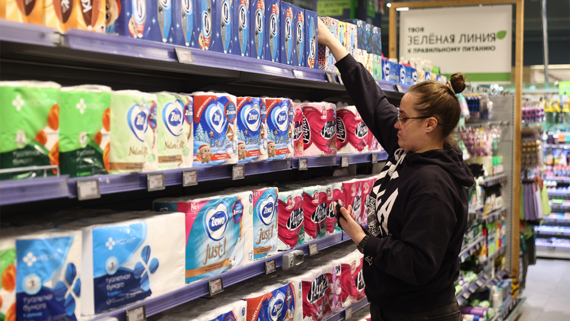
Russia’s consumer price inflation showed signs of deceleration during the second week of July 2024, with prices rising by just 0.17% between July 7 and July 13, according to the latest data from Rosstat, the country’s official statistics agency. This represents a notable slowdown compared to previous weeks and suggests that the Central Bank’s tight monetary policy may be beginning to have some effect on containing inflationary pressures in the economy.
Since the beginning of July, cumulative consumer price growth has reached 0.43%, indicating that while inflation continues to persist, the pace of increase appears to be moderating. These weekly inflation figures are closely monitored by economists, policymakers, and market participants as they provide early indicators of broader economic trends before monthly and annual data becomes available.
Understanding the Inflation Landscape
The Russian economy has been grappling with persistent inflationary pressures throughout 2024, driven by a combination of factors including labor market tightness, increased government spending, and supply chain adjustments related to ongoing geopolitical tensions. The Central Bank of Russia has maintained an aggressive stance on monetary policy, keeping its key interest rate at historically elevated levels to combat rising prices.
Throughout the first half of 2024, annual inflation rates have remained well above the Central Bank’s target of 4%, prompting concerns about the sustainability of economic growth and the purchasing power of Russian consumers. The weekly data showing a slowdown to 0.17% provides a glimmer of hope that the most acute phase of price acceleration may be passing, though economists caution that one week’s data should not be overinterpreted.
Factors Driving Recent Price Movements
Several factors have contributed to the recent moderation in price growth. Seasonal dynamics play a significant role during summer months, as fresh produce becomes more abundant and transportation costs for agricultural goods typically decrease. Additionally, the stabilization of the ruble exchange rate in recent weeks has helped reduce imported inflation, which had been a major driver of price increases earlier in the year.
However, underlying inflationary pressures remain significant. The Russian labor market continues to experience acute shortages in many sectors, driving wage growth that outpaces productivity gains. Government defense spending and infrastructure investments have injected substantial liquidity into the economy, creating demand-side pressures that central bankers are working to counterbalance through higher borrowing costs.
Implications for Monetary Policy
The Central Bank of Russia faces a delicate balancing act as it navigates the current economic environment. While the slowdown in weekly inflation is encouraging, policymakers have emphasized that they will need to see sustained moderation in price growth before considering any easing of monetary conditions. The benchmark interest rate currently stands at levels that impose significant costs on businesses and consumers seeking credit.
Market analysts expect the Central Bank to maintain its hawkish stance at upcoming policy meetings, with some forecasting additional rate increases if inflation fails to decline more decisively toward the target range. The weekly inflation data will continue to be scrutinized for signs of whether current policy settings are sufficient to restore price stability without triggering an economic downturn.
Expert Opinion: The deceleration to 0.17% weekly inflation represents a cautiously positive signal, but structural factors including tight labor markets and elevated government spending suggest Russia’s inflation battle is far from over. The Central Bank will likely maintain restrictive policy through at least the end of 2024, with any rate cuts dependent on sustained evidence of cooling demand and stabilizing prices across multiple economic sectors.