



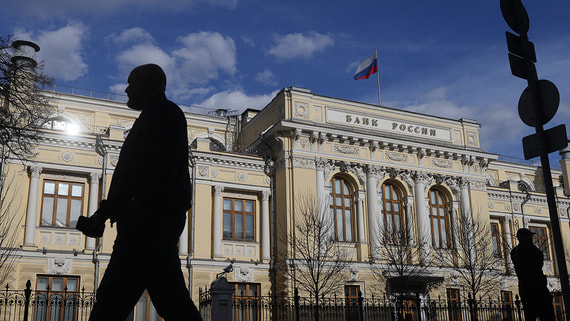
According to the latest consensus forecast compiled by the Russian business newspaper Vedomosti, the Central Bank of Russia is expected to maintain its key interest rate at the current level of 21% during its upcoming July meeting. Analysts surveyed for the forecast suggest that the regulator may opt for a pause in its monetary policy adjustments to carefully assess the impact of ongoing economic challenges, including the fuel crisis and budget deficit pressures on consumer prices across the country.
The decision to potentially hold rates steady comes after an aggressive tightening cycle that has seen Russian interest rates climb to historically elevated levels. The Central Bank has been battling persistent inflationary pressures that have plagued the Russian economy amid ongoing geopolitical tensions and Western sanctions. By maintaining the current rate, policymakers aim to strike a delicate balance between controlling inflation and avoiding excessive strain on economic growth and business activity.
Economic Factors Driving the Rate Decision
The Russian economy faces a complex web of challenges that monetary authorities must navigate carefully. The fuel crisis has emerged as a significant concern, with disruptions in supply chains and distribution networks affecting both consumer and industrial sectors. Rising fuel costs have a cascading effect throughout the economy, pushing up transportation expenses and ultimately contributing to broader inflationary pressures across various goods and services categories.
Additionally, the federal budget deficit has become an increasingly pressing issue for Russian economic planners. Government spending has remained elevated due to various factors, including defense expenditures and social support programs, while revenue streams have faced pressure from fluctuating commodity prices and trade restrictions. This fiscal imbalance creates additional uncertainty for monetary policymakers who must consider how government borrowing and spending patterns might influence overall price stability in the medium term.
Historical Context of Russian Monetary Policy
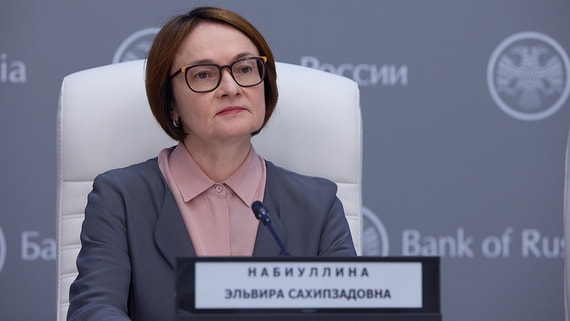
The Central Bank of Russia, led by Governor Elvira Nabiullina, has established a reputation for decisive action in times of economic stress. The institution raised rates dramatically in 2022 following the onset of geopolitical tensions, briefly pushing the key rate to 20% before gradually reducing it as initial market panic subsided. However, renewed inflationary pressures in 2023 and 2024 prompted another cycle of rate increases, demonstrating the bank’s commitment to its inflation-targeting mandate despite political and economic pressures.
Historically, the Russian Central Bank has shown willingness to maintain high rates for extended periods when inflation remains above target levels. The regulator’s official inflation target stands at 4%, though actual price growth has consistently exceeded this benchmark in recent years. Analysts note that the bank’s credibility depends on demonstrating patience and resolve in its fight against inflation, even when high rates create headwinds for economic expansion and corporate borrowing costs.
Market Expectations and Expert Analysis
Financial market participants have largely priced in the expectation of stable rates in the near term, with bond yields and forward rate agreements reflecting confidence in the consensus forecast. Russian corporations and banks have adapted their planning assumptions accordingly, though many continue to hope for eventual rate cuts that would reduce borrowing costs and stimulate investment activity. The prolonged high-rate environment has particularly affected sectors dependent on credit financing, including real estate development and consumer lending.
Economic experts emphasize that the Central Bank faces no easy choices in the current environment. Cutting rates prematurely could reignite inflationary pressures and undermine the hard-won progress in stabilizing prices. Conversely, maintaining restrictive monetary policy for too long risks dampening economic activity and potentially triggering a more severe slowdown. The July meeting will provide important signals about how policymakers are weighing these competing considerations and what trajectory they envision for monetary policy in the second half of 2025 and beyond.
Expert Opinion: The Central Bank’s anticipated pause reflects a prudent approach to policy-making under uncertainty, as regulators need time to assess whether current inflationary pressures are transitory or structural in nature. Given the persistence of supply-side shocks and fiscal pressures, markets should prepare for rates to remain elevated well into 2026, with any meaningful easing cycle likely delayed until clear evidence emerges that inflation is sustainably returning toward target levels.