


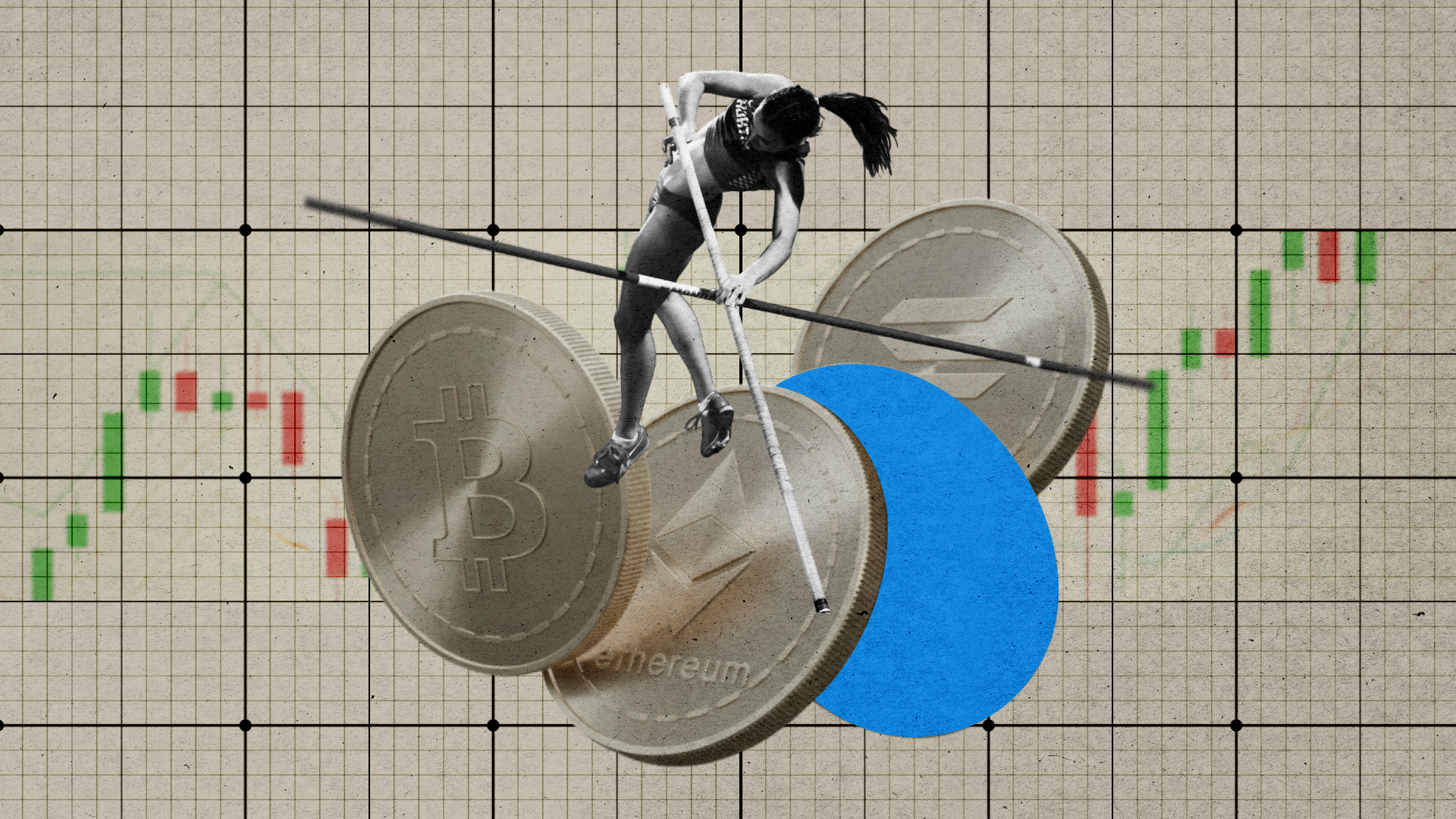
The traditional boundaries of financial markets are being systematically dismantled. For decades, stock exchanges operated on rigid schedules — opening bells, closing bells, weekends off, and holidays observed. But a new breed of financial platforms is challenging this century-old paradigm. Cryptocurrency exchanges, led by giants like Binance, are expanding beyond digital assets to offer stocks, commodities, and sophisticated financial instruments — all available around the clock, seven days a week. This transformation represents more than a technological upgrade; it signals a fundamental shift in how global markets may function in the coming decades.
The concept of continuous trading isn’t entirely new, but its practical implementation at scale is revolutionary. Traditional stock markets like the New York Stock Exchange and NASDAQ operate for just 6.5 hours per day, Monday through Friday. This schedule made sense in an era of paper certificates and physical trading floors, but appears increasingly anachronistic in a world of instantaneous digital communication. Crypto exchanges recognized this inefficiency early, building their platforms for perpetual operation from the ground up. Now, they’re leveraging this infrastructure to offer traditional financial products with unprecedented accessibility.
Binance: From Crypto Pioneer to Financial Supermarket
Binance, founded in 2017 by Changpeng Zhao, has grown from a pure cryptocurrency exchange into something resembling a comprehensive financial ecosystem. The platform now handles hundreds of billions of dollars in daily trading volume, making it one of the largest exchanges in the world by this metric. What sets Binance apart from traditional brokerages is its aggressive expansion into tokenized assets — digital representations of traditional stocks, commodities, and indices that can be traded alongside Bitcoin and Ethereum. This allows users to buy fractional shares of companies like Tesla or Apple at any hour, regardless of whether Wall Street is open for business.
The technical infrastructure behind 24/7 trading is remarkably sophisticated. Unlike traditional exchanges that rely on centralized matching engines operating during set hours, crypto platforms utilize distributed systems designed for constant uptime. These systems must handle extreme volatility, process millions of transactions per second during peak periods, and maintain security against sophisticated cyber attacks. The development of such robust infrastructure has taken years and billions of dollars in investment, but the result is a trading environment that never sleeps. For retail investors in Asia trading American stocks or European traders interested in Asian markets, this represents a dramatic improvement in accessibility.
Regulatory Challenges and Market Evolution
The expansion of crypto exchanges into traditional financial products has not gone unnoticed by regulators worldwide. Securities commissions in the United States, European Union, and Asia have expressed concerns about investor protection, market manipulation, and the potential for systemic risk. Binance itself has faced regulatory scrutiny in multiple jurisdictions, leading to the cessation of certain services in some countries. However, the fundamental demand for more accessible, flexible trading options continues to drive innovation. Traditional exchanges are responding by extending their own trading hours — some now offer pre-market and after-hours sessions, while others are exploring weekend trading for select products.
The democratization of financial markets through 24/7 trading carries both opportunities and risks. On one hand, it allows individuals to react to global news events in real-time, regardless of their time zone or work schedule. On the other hand, the absence of natural trading breaks may exacerbate volatility and decision fatigue among retail traders. Studies have shown that continuous trading environments can lead to increased emotional trading and higher transaction costs for individual investors. Financial educators and consumer advocates emphasize the importance of setting personal boundaries and avoiding the temptation to monitor positions constantly, even when markets never close.
The Future of Always-On Finance
Looking ahead, the integration of blockchain technology with traditional finance appears inevitable. Major banks and asset managers are experimenting with tokenization, while central banks worldwide are developing digital currencies that could eventually operate on similar infrastructure. The question is no longer whether markets will move toward continuous operation, but how quickly this transition will occur and what safeguards will be implemented. For investors, the key lies in understanding both the opportunities and risks of this new paradigm. The financial markets of tomorrow may look very different from those of today — and crypto exchanges like Binance are serving as the proving ground for this transformation.
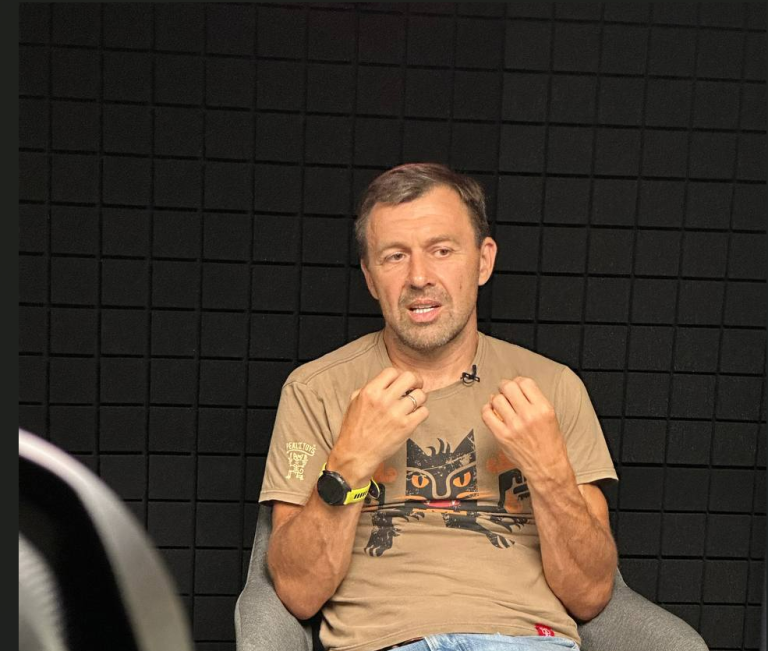
Expert Opinion: The convergence of cryptocurrency infrastructure with traditional financial products represents a watershed moment in market evolution. Within the next decade, we can expect major stock exchanges to adopt 24/7 trading models for at least some asset classes, driven by competitive pressure from crypto platforms. However, regulatory frameworks will need substantial updates to address new risks, and investors should prepare for a financial landscape where the discipline of scheduled market hours gives way to personal responsibility in managing always-available trading opportunities.