




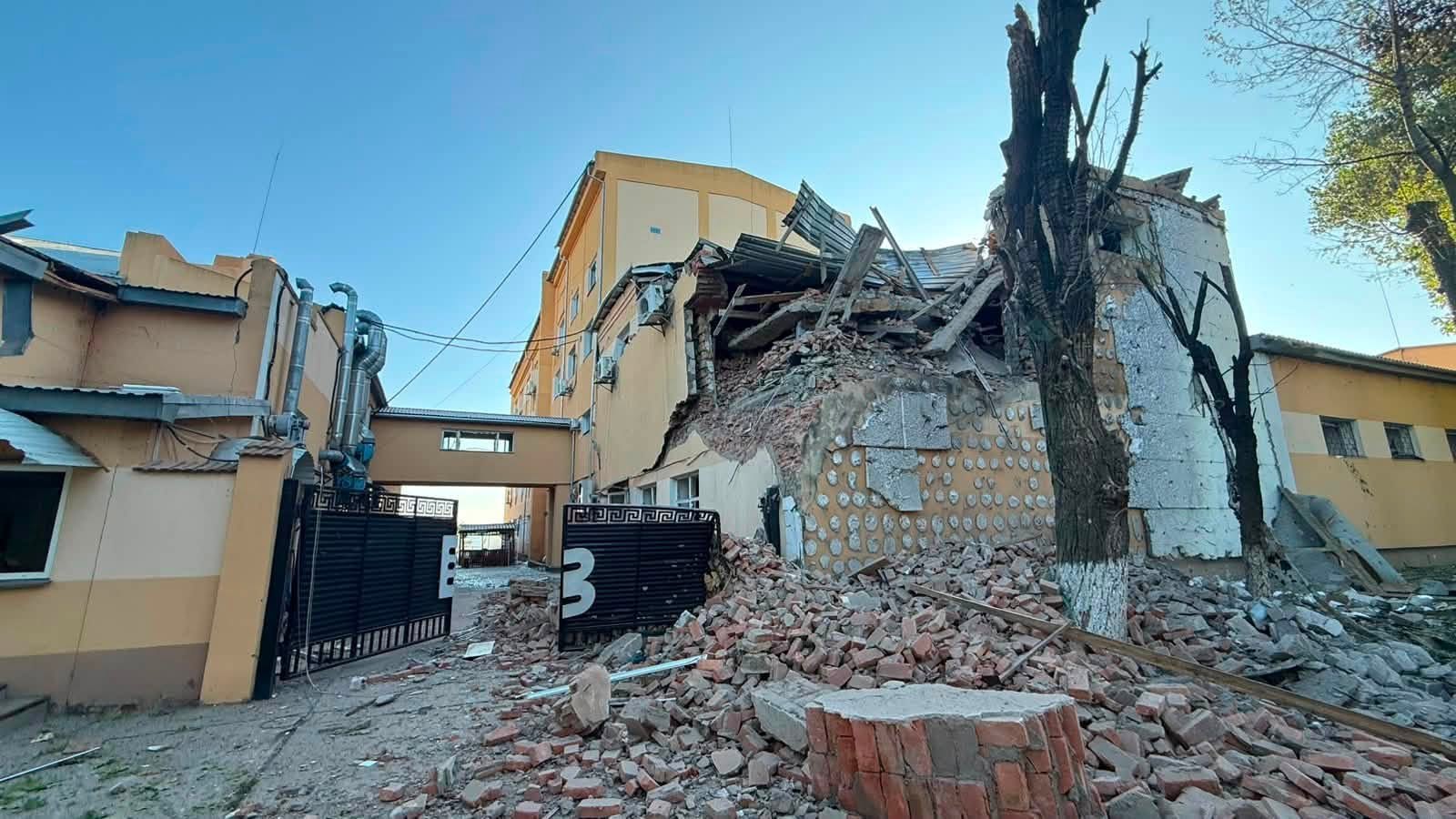
In yet another attack targeting Ukrainian civilian infrastructure, Russian forces struck the Belsta factory in Bilhorod-Dnistrovskyi, a facility known for producing household footwear including domestic slippers and casual shoes. The strike adds to the growing list of non-military industrial sites that have been damaged or destroyed since Russia’s full-scale invasion began in February 2022, raising continued concerns about the targeting of civilian economic assets during the ongoing conflict.
Bilhorod-Dnistrovskyi, located in the Odesa Oblast in southwestern Ukraine near the Black Sea coast, has historically been an important regional center with deep roots dating back to ancient Greek colonization. The city, home to approximately 50,000 residents, has faced periodic attacks throughout the war despite being located far from the front lines. The Belsta factory has been a significant local employer, providing jobs to residents in a region where manufacturing plays a crucial role in the local economy.
Impact on Local Economy and Workers
The attack on the Belsta facility represents more than just physical destruction; it strikes at the heart of the local community’s economic stability. The factory has been operational for decades, establishing itself as one of Ukraine’s recognizable domestic footwear brands. Workers at such facilities often represent multiple generations of families who have built their livelihoods around these industrial enterprises. The destruction of manufacturing capacity in smaller Ukrainian cities can have devastating ripple effects, potentially displacing workers and disrupting supply chains that serve both domestic and international markets.
Ukrainian officials have repeatedly documented Russia’s pattern of targeting civilian infrastructure, including factories, power plants, and transportation hubs. International observers and human rights organizations have raised concerns about these attacks, noting that they appear designed to undermine Ukraine’s economic resilience and civilian morale. The systematic targeting of industrial facilities has forced many Ukrainian businesses to relocate operations westward or suspend production entirely, causing significant economic disruption across the country.
Strategic Implications and International Response
The strike on a slipper factory in a city far from active combat zones underscores the indiscriminate nature of Russian long-range attacks. Military analysts note that such strikes serve little tactical purpose but inflict psychological and economic damage on the civilian population. The use of missiles and drones against soft civilian targets has been a consistent feature of Russia’s military strategy, drawing condemnation from Western governments and international organizations. The European Union and United States have pointed to such attacks as evidence of war crimes and have used them to justify continued military and economic support for Ukraine.
Local authorities in the Odesa region have been working to strengthen air defense capabilities and establish early warning systems to protect civilians and critical infrastructure. However, the vast territory and limited resources make comprehensive protection challenging. Residents of cities like Bilhorod-Dnistrovskyi have adapted to living under constant threat, with air raid alerts becoming a regular part of daily life. The resilience of Ukrainian workers and business owners, who continue operations despite the dangers, has been widely praised by international observers as a testament to the country’s determination to maintain economic activity during wartime.
Historical Context and Path Forward
Bilhorod-Dnistrovskyi’s rich history spans over 2,500 years, with the Akkerman Fortress standing as a testament to the region’s strategic importance throughout centuries. The city has survived numerous conflicts and occupations, from Ottoman rule to World War II. This latest attack adds another chapter to the city’s troubled history but also demonstrates the ongoing threat that modern warfare poses to civilian populations and their economic infrastructure. As Ukraine continues to defend its sovereignty, communities like Bilhorod-Dnistrovskyi face the dual challenge of maintaining daily life while rebuilding from attacks that target the very foundation of their economic existence.
Expert Opinion: The deliberate targeting of civilian manufacturing facilities like the Belsta factory suggests a calculated Russian strategy to erode Ukraine’s economic capacity and create long-term reconstruction challenges. Such attacks, while militarily insignificant, aim to exhaust Ukrainian resources and civilian morale over an extended conflict. The international community’s response through continued economic support and post-war reconstruction commitments will be crucial in helping affected communities recover and rebuild their industrial base.