

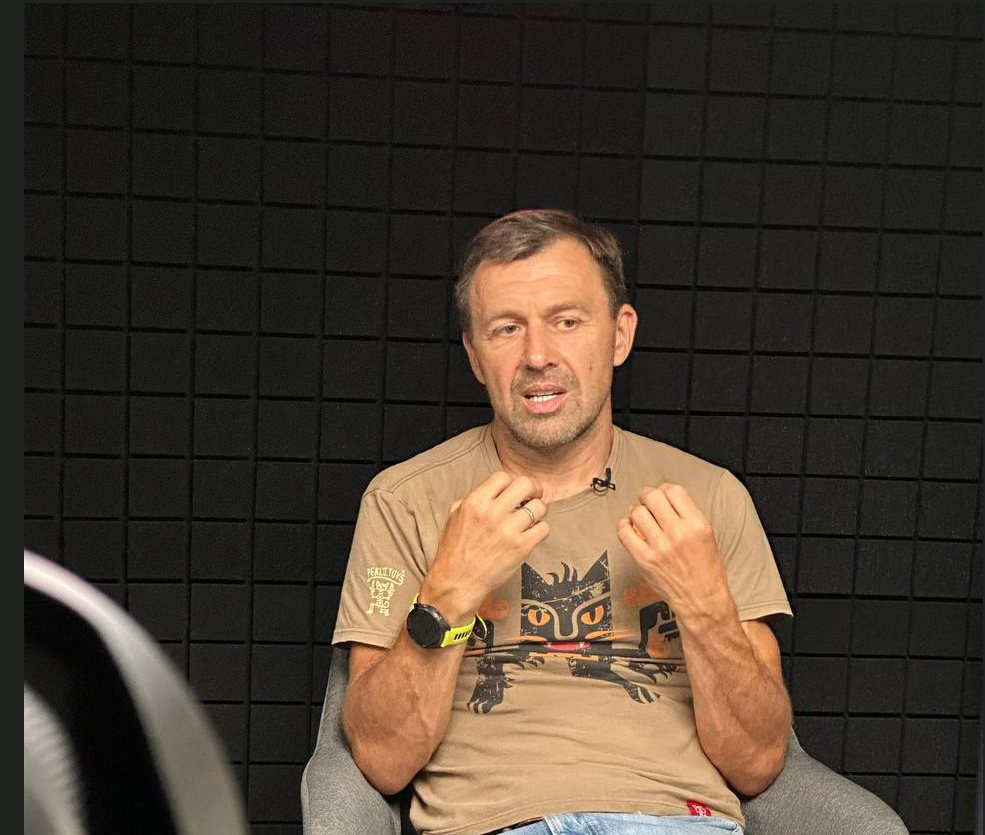
In a recent wide-ranging interview, prominent Ukrainian financial expert and former banker Andrey Onistrat shared his insights on several pressing economic issues facing Ukraine today. From questions about how a massive 150 million hryvnia collateral payment allegedly bypassed the National Bank of Ukraine’s financial monitoring systems, to practical advice on preparing for potential economic turbulence and another challenging winter, Onistrat offered a candid assessment of the current financial landscape and strategies for ordinary citizens to protect their wealth.
The conversation touched on one of the most talked-about financial controversies in Ukraine recently — the case involving a substantial bail payment that reportedly evaded the scrutiny of the central bank’s anti-money laundering protocols. Financial monitoring systems at the National Bank of Ukraine are designed to flag and investigate large transactions to prevent money laundering and other financial crimes. When transactions of such magnitude pass through the system without proper verification, it raises serious questions about the effectiveness of regulatory oversight and the potential vulnerabilities in the banking sector’s compliance mechanisms.
The Collateral Controversy and Banking Oversight
Onistrat addressed the scandal surrounding the 150 million hryvnia collateral payment, questioning how such a significant sum could have moved through Ukraine’s financial system without triggering the expected regulatory alerts. The National Bank of Ukraine has implemented increasingly stringent financial monitoring requirements since 2014, particularly in response to international pressure and the need to maintain correspondent banking relationships with Western financial institutions. These systems are supposed to automatically flag large transactions and require enhanced due diligence for politically exposed persons and high-value transfers. The fact that this particular transaction apparently slipped through the cracks has sparked debate about whether the failures were systemic or represented isolated lapses in protocol.
The Ukrainian banking sector has undergone significant reforms over the past decade, with the NBU closing more than half of the country’s banks between 2014 and 2017 due to insolvency, fraud, or failure to meet capital requirements. These painful reforms were intended to create a more transparent and resilient financial system. However, incidents like the collateral controversy suggest that gaps remain in the implementation of financial monitoring standards, particularly when it comes to high-profile cases involving influential individuals.
Preparing for Economic Crisis: The 30% Cash Rule
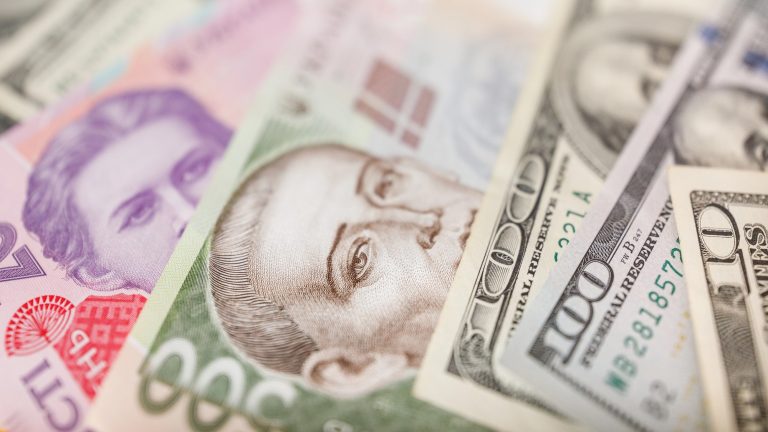
Perhaps the most practical advice from Onistrat’s interview concerned personal financial preparedness in uncertain times. The expert recommended that individuals maintain approximately 30% of their assets in cash before an anticipated crisis. This recommendation reflects the lessons learned from Ukraine’s tumultuous economic history, including the banking panic of 2014-2015 when many Ukrainians lost access to their deposits as banks collapsed or imposed severe withdrawal restrictions. Having physical cash on hand provides a buffer against potential banking system disruptions, currency controls, or electronic payment system failures — all scenarios that have occurred in Ukraine during periods of acute crisis.
The recommendation to hold dollars specifically speaks to the persistent lack of confidence in the hryvnia’s stability among Ukrainian savers. Despite the National Bank’s efforts to maintain exchange rate stability, the hryvnia has experienced significant devaluations during each major crisis, from the 2008 global financial crash to the 2014 conflict and the 2022 full-scale invasion. For many Ukrainians, holding savings in US dollars has become a standard hedge against currency risk, even as the central bank has at times imposed restrictions on foreign currency transactions.
Bracing for Another Difficult Winter
Onistrat also addressed concerns about the upcoming winter season, which many analysts expect to be particularly challenging for Ukraine. Following Russia’s systematic attacks on energy infrastructure throughout 2022-2023 and continuing into 2024, Ukraine faces potential electricity shortages and heating difficulties during the coldest months. The expert’s advice on financial preparedness ties directly into broader winter readiness — having cash reserves enables families to purchase alternative heating sources, generators, or emergency supplies when electronic payment systems may be unavailable during power outages.
The intersection of financial planning and physical survival preparedness has become a unique feature of Ukrainian life during wartime. Beyond traditional investment advice, financial experts like Onistrat increasingly incorporate practical survival considerations into their recommendations. This includes maintaining diversified holdings across different currencies, keeping accessible cash reserves, and being prepared for scenarios where normal banking and payment infrastructure may be temporarily unavailable. As Ukraine enters its third winter of full-scale war, these considerations have moved from theoretical planning to essential everyday financial wisdom for millions of families.
Expert Opinion: The ongoing vulnerabilities in Ukraine’s financial monitoring systems, combined with wartime economic pressures, suggest that regulatory reform must remain a priority even amid conflict. Looking ahead, the country’s ability to maintain Western support and eventually join the European Union will depend significantly on demonstrating robust financial governance. Citizens would be wise to follow prudent diversification strategies while remaining engaged with formal banking systems that, despite their imperfections, remain essential to Ukraine’s economic resilience.