

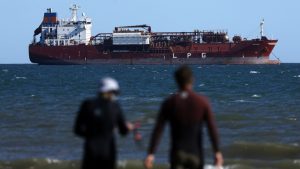
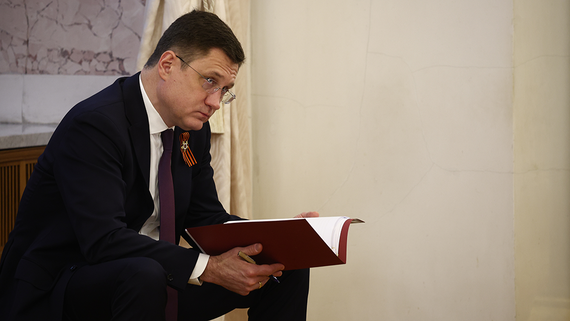
Russian Deputy Prime Minister Alexander Novak has issued directives to strengthen oversight of fuel distribution across the country’s regions, as authorities work to prevent shortages and keep prices stable at gas stations. The move comes amid ongoing efforts by the Russian government to maintain energy security and protect consumers from sudden price fluctuations in a challenging economic environment. Officials are actively developing agreements with retail fuel networks aimed at containing price growth while ensuring adequate supply throughout the vast territory of the Russian Federation.
Government Measures to Stabilize the Fuel Market
The directive from Novak reflects Moscow’s continued focus on domestic energy stability, particularly as international sanctions and shifting global oil markets create new pressures on Russia’s energy sector. The government has been implementing various mechanisms to balance the competing interests of oil producers, refiners, and consumers. These include export duty adjustments, production quotas, and direct negotiations with major fuel retailers. The planned agreements with gas station operators represent the latest tool in the government’s arsenal to prevent retail price spikes that could fuel inflation and public discontent.
Russia operates one of the world’s largest networks of fuel distribution infrastructure, serving a population spread across eleven time zones. Ensuring consistent supply to remote regions, particularly in Siberia and the Far East, presents unique logistical challenges. The federal government has historically maintained close oversight of fuel markets, viewing energy affordability as both an economic necessity and a matter of social stability. Previous interventions have included temporary export restrictions and mandatory supply quotas for domestic refineries.
Historical Context and Market Dynamics
Russia’s fuel market has experienced several periods of volatility over the past decade, prompting repeated government intervention. In 2018 and 2023, rapid price increases at gas stations led to emergency measures, including informal price freezes negotiated with major oil companies such as Rosneft, Lukoil, and Gazprom Neft. The current initiative builds on these precedents, establishing more formal mechanisms for price coordination. Industry analysts note that such agreements typically involve a delicate balance: oil companies accept lower retail margins in exchange for various forms of government support, including favorable tax treatment and access to strategic reserves.
The timing of Novak’s directive coincides with the summer driving season, traditionally a period of peak fuel demand in Russia. Agricultural operations also require significant diesel supplies during planting and harvest periods, making regional fuel availability a critical concern for food security. Government officials have emphasized that the new control measures will focus particularly on ensuring adequate supplies in areas dependent on rail and road transport for fuel delivery, where supply chain disruptions can quickly lead to shortages.
Industry Response and Future Outlook
Major fuel retailers have generally expressed willingness to cooperate with government initiatives, though industry representatives have privately voiced concerns about profit margins and the long-term sustainability of price constraints. The Russian Union of Oil and Gas Producers has called for a balanced approach that considers both consumer protection and the financial health of the refining sector, which requires ongoing investment to maintain output quality and capacity. Some analysts suggest that the government may need to expand subsidies or adjust taxation policies if it wishes to maintain both low retail prices and industry profitability over the long term.
Looking ahead, the effectiveness of the new oversight measures will likely depend on broader economic conditions, including global oil prices, the ruble exchange rate, and the overall trajectory of inflation in Russia. The government has demonstrated a consistent willingness to intervene in fuel markets when necessary, and Novak’s latest directive signals that this approach will continue. For Russian consumers, the immediate impact should be greater price stability and improved fuel availability, particularly in regions that have historically faced supply challenges during periods of high demand.
Expert Opinion: The Russian government’s proactive stance on fuel market regulation reflects broader concerns about maintaining social stability amid economic pressures. While short-term price controls can provide relief for consumers, sustained intervention risks discouraging necessary investment in refining infrastructure. The coming months will reveal whether Moscow can achieve a sustainable equilibrium between affordability and market viability.