




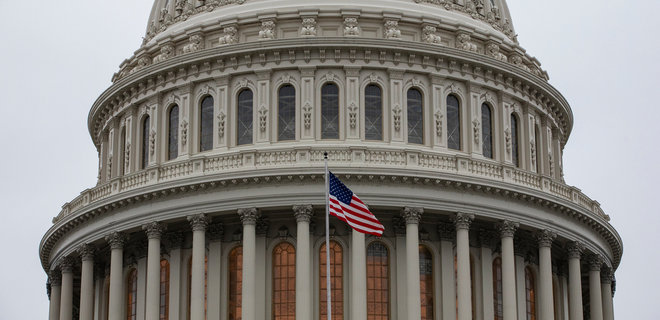
The United States Senate has successfully passed a temporary budget resolution designed to prevent a government shutdown in the critical weeks leading up to the November elections. In a rare display of bipartisan cooperation, both Democrats and Republicans came together to approve the continuing resolution, demonstrating their shared reluctance to repeat the disruptive budget crises that have plagued previous election cycles. The measure ensures that federal agencies will continue to receive funding and operate normally as the nation prepares for what is expected to be one of the most consequential elections in recent American history.
The decision to pass the stopgap measure reflects lessons learned from previous government shutdowns that have caused significant disruption to federal services and negatively impacted public perception of Congress. Both parties recognized that a shutdown mere weeks before voters head to the polls on November 3rd could prove politically catastrophic, potentially alienating undecided voters who are already frustrated with partisan gridlock in Washington. Congressional leaders from both sides of the aisle worked behind closed doors to negotiate terms that would be acceptable to their respective caucuses while avoiding the contentious policy riders that have derailed previous budget negotiations.
Historical Context of Government Shutdowns
Government shutdowns have become an increasingly common feature of American politics over the past several decades, with the United States experiencing numerous funding gaps of varying lengths. The longest shutdown in American history occurred from December 2018 to January 2019, lasting 35 days and affecting approximately 800,000 federal workers who were either furloughed or required to work without pay. That shutdown, which centered on disputes over border wall funding, resulted in billions of dollars in economic losses and caused significant hardship for federal employees and contractors who struggled to pay bills and meet financial obligations during the impasse.
The political ramifications of government shutdowns have historically been severe for the party perceived as responsible for the crisis. Public opinion polls consistently show that Americans view shutdowns negatively and tend to blame whichever party appears more intransigent during negotiations. This political calculus was clearly on the minds of lawmakers as they crafted the current continuing resolution, with neither party willing to shoulder the blame for disrupting government services so close to an election. The memory of the 2013 shutdown, which occurred just weeks after the launch of the Affordable Care Act healthcare exchanges and was blamed largely on Republican efforts to defund the law, served as a cautionary tale for lawmakers on both sides.
Implications for the November Elections
The successful passage of the continuing resolution removes one potential source of political turmoil from an already tumultuous election season. With the presidential race, numerous Senate seats, and all 435 House seats on the ballot, lawmakers were keenly aware that any government dysfunction could influence voter sentiment in unpredictable ways. Political analysts have noted that shutdown battles typically benefit the party out of power by highlighting dysfunction in Washington, making the incumbent party’s decision to avoid such a confrontation particularly strategic.
The continuing resolution is expected to fund government operations for several months, likely pushing final budget decisions into the post-election period when the political landscape may look significantly different. This approach, while pragmatic, also means that substantive debates over federal spending priorities, including potential stimulus measures related to ongoing economic challenges, will be deferred until after voters have made their choices. Critics argue that this represents a failure of congressional leadership to address pressing fiscal issues, while supporters contend that avoiding a pre-election shutdown demonstrates responsible governance and puts the interests of federal workers and the American public first.
Looking Ahead to Future Budget Negotiations
While the immediate crisis has been averted, significant budget challenges remain on the horizon. The continuing resolution merely maintains current spending levels and does not address the numerous policy disputes that divide Democrats and Republicans on issues ranging from healthcare funding to defense spending to environmental regulations. Once the election concludes and a new Congress is seated, lawmakers will face the task of negotiating a comprehensive spending package that addresses these fundamental disagreements. The outcome of the November elections will play a crucial role in determining which party holds the upper hand in those negotiations and what policy priorities ultimately prevail in the federal budget.
Expert Opinion: The bipartisan passage of this continuing resolution signals that despite intense political polarization, congressional leaders retain the capacity for pragmatic cooperation when electoral stakes are high. However, this pattern of governing by temporary measures rather than comprehensive budgets reflects deeper institutional dysfunction that will likely persist regardless of election outcomes. The real test will come in early 2021 when lawmakers must confront accumulated fiscal challenges without the immediate pressure of an impending election.