

The Russian stock market experienced its most severe decline in over two years on Thursday, plummeting sharply after aggressive statements from Foreign Minister Sergey Lavrov and the Russian Ministry of Defense effectively dismissed any possibility of an immediate ceasefire in Ukraine. The dramatic selloff sent shockwaves through Moscow’s financial centers as investors scrambled to reassess their positions in light of the hardened rhetoric from the Kremlin’s top officials.
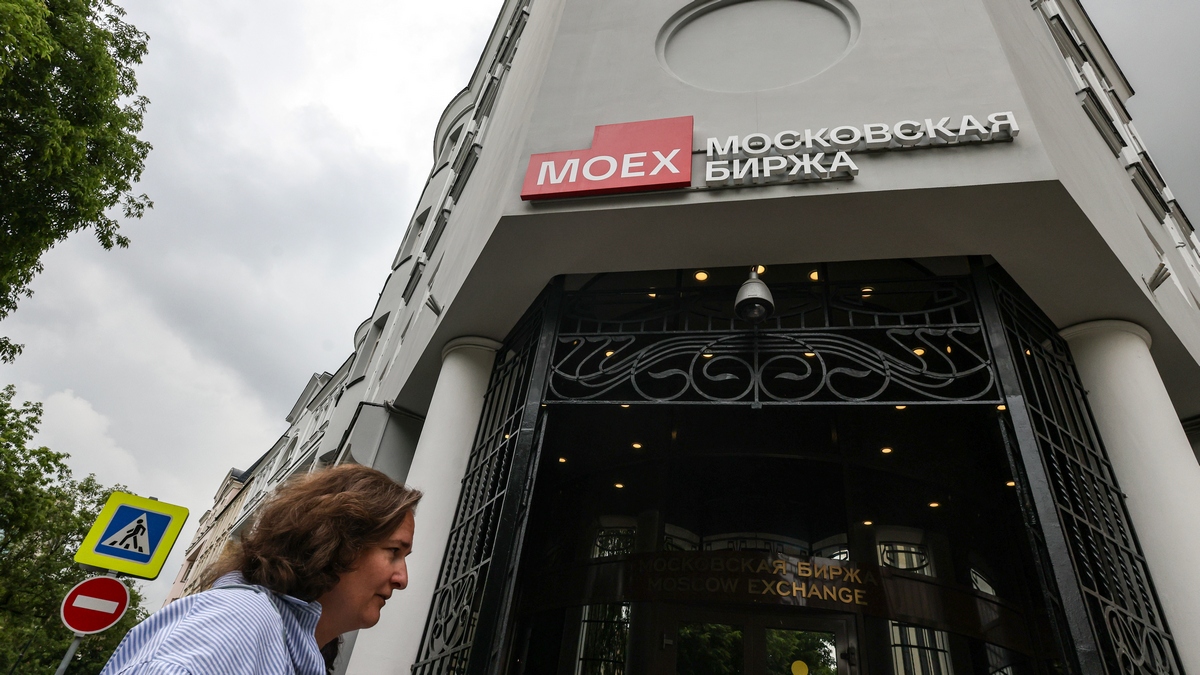
The Moscow Exchange’s benchmark MOEX index fell precipitously during Thursday’s trading session, marking the steepest single-day decline since the chaotic days of September 2022, when partial mobilization announcements triggered widespread panic selling. The ruble also came under renewed pressure as market participants interpreted the latest statements as a clear signal that the ongoing conflict would continue indefinitely, with all the associated economic costs and sanctions-related challenges.
Diplomatic Tensions Fuel Market Uncertainty
The market turmoil was directly precipitated by statements from Russian Foreign Minister Sergey Lavrov, who delivered pointed remarks rejecting recent diplomatic overtures and ceasefire proposals. The Defense Ministry simultaneously released statements reaffirming Russia’s military objectives, leaving little room for interpretation about Moscow’s intentions to continue military operations. These coordinated messages from Russia’s foreign policy and defense establishments effectively closed the door on hopes that had briefly emerged in recent weeks regarding potential negotiations.
International observers had been cautiously optimistic following various diplomatic channels that suggested Moscow might be open to discussing a temporary halt in hostilities. However, the forceful rejection of what officials termed a “freeze” of the conflict dashed these hopes and reminded investors of the fundamental risks still embedded in Russian assets. The statements underscored the Kremlin’s position that any settlement must occur on Russia’s terms, regardless of the economic consequences domestically.
Economic Impact and Investor Sentiment
The selloff reflects deeper concerns about Russia’s economic trajectory under prolonged conflict conditions. Since the beginning of the military operation in Ukraine in February 2022, the Russian economy has operated under an unprecedented sanctions regime imposed by Western nations. While Moscow has managed to stabilize certain sectors through import substitution and redirecting trade toward Asian markets, the financial markets remain highly sensitive to any signals about the conflict’s duration and intensity.
Russian retail investors, who have become increasingly important market participants as foreign institutional money has largely fled, bore the brunt of Thursday’s losses. Many had positioned themselves optimistically based on speculation that diplomatic progress might lead to sanctions relief and improved economic conditions. The aggressive official statements shattered these assumptions, triggering widespread position liquidations across sectors ranging from energy to banking to consumer goods.
The September 2022 comparison is particularly significant, as that period marked one of the most turbulent phases for Russian markets since the initial invasion. The announcement of partial mobilization at that time caused the MOEX index to crash as hundreds of thousands of Russians faced potential military service, and capital flight accelerated dramatically. Thursday’s decline approaching those levels suggests that investor confidence remains extremely fragile and responsive to geopolitical signals from the Kremlin.
Looking Ahead: Continued Volatility Expected
Market analysts expect continued volatility in the coming weeks as investors digest the implications of the latest official statements. The Central Bank of Russia, which has been maintaining elevated interest rates to combat inflation and support the ruble, may face additional pressure to intervene in markets if instability persists. Some economists suggest that prolonged conflict without any diplomatic horizon could force further monetary policy adjustments that would impact both corporate profitability and consumer spending power.
The broader message from Thursday’s market reaction is clear: Russian financial markets remain hostage to the conflict’s trajectory, and any deviation from expectations of eventual de-escalation carries severe consequences for asset valuations. As long as senior officials continue to reject negotiated solutions, investors will likely maintain defensive positions, limiting the potential for sustained market recovery despite occasional rallies driven by speculation about peace prospects.
Expert Opinion: The record market decline signals that Russian investors had priced in significant probability of near-term diplomatic progress, making the correction particularly painful. Going forward, the disconnect between official military objectives and economic sustainability will likely create recurring episodes of market stress, potentially forcing policy adjustments that prioritize financial stability over geopolitical positioning. Markets may not find stable footing until credible diplomatic channels emerge.