



Economic indicators showed a notable recovery in the second quarter of 2024, with Gross Domestic Product expanding by 1.3% following a contraction during the January-March period. This turnaround signals a potential shift in economic momentum and has drawn attention from analysts seeking to understand the underlying factors contributing to this positive development. The quarterly improvement suggests that despite challenging global conditions, certain sectors of the economy have demonstrated remarkable resilience and adaptability.
Key Factors Behind the Economic Recovery
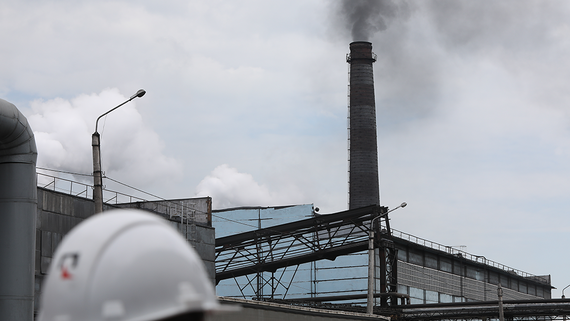
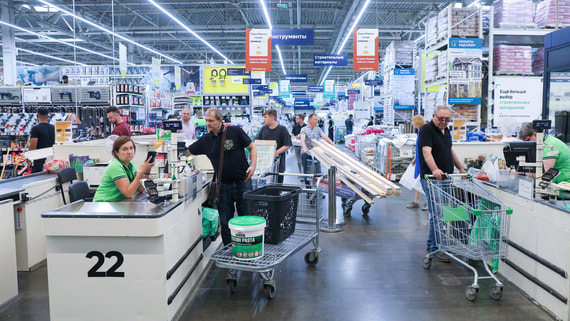
Several interconnected factors contributed to the GDP growth observed in the second quarter. Consumer spending, which typically accounts for a significant portion of economic activity, showed signs of stabilization as households adjusted to prevailing market conditions. Additionally, industrial production experienced a modest uptick, with manufacturing sectors benefiting from improved supply chain conditions and steady demand for goods. The services sector also played a crucial role, as businesses adapted their operational models to meet evolving consumer preferences and market demands.
Government fiscal policies implemented earlier in the year began yielding tangible results during this period. Infrastructure investments and targeted stimulus measures helped inject liquidity into key economic sectors, supporting job creation and business expansion. Central bank monetary policy decisions also contributed to the favorable environment, with interest rate adjustments aimed at balancing inflation control with economic growth objectives proving effective in maintaining financial stability.
Historical Context and Comparative Analysis
The second-quarter rebound follows a pattern observed in previous economic cycles, where initial contractions are often followed by corrective growth periods. Historical data suggests that economies frequently experience such fluctuations due to seasonal factors, policy implementation timing, and external market influences. The 1.3% growth rate, while modest, represents a meaningful departure from the negative trajectory observed in the first quarter and aligns with projections made by several economic forecasting institutions. Compared to similar recovery periods in past years, this growth rate demonstrates a measured but steady return to economic expansion.
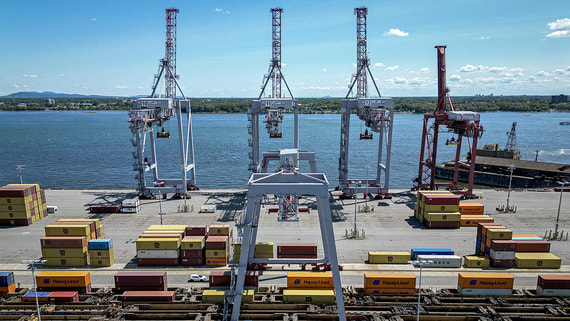
International trade dynamics also influenced domestic GDP performance during the second quarter. Export volumes showed improvement in certain commodity categories, while import patterns reflected changing domestic consumption preferences. The balance of trade, though still presenting challenges, contributed positively to the overall GDP calculation. Currency fluctuations and global commodity prices created both opportunities and obstacles for businesses engaged in international commerce, requiring strategic adjustments to maintain competitiveness in foreign markets.
Sectoral Performance and Employment Trends
A detailed analysis of sectoral contributions reveals that technology and digital services emerged as strong performers during the quarter. Companies investing in automation, artificial intelligence, and digital transformation solutions reported increased revenues and expanded their workforce. The agricultural sector, benefiting from favorable weather conditions and improved crop yields, also made positive contributions to overall economic output. Construction activity maintained steady momentum, supported by ongoing residential and commercial development projects across various regions.
Employment figures accompanying the GDP data showed encouraging signs, with job creation occurring across multiple industries. The unemployment rate experienced a slight decline, suggesting that businesses gained sufficient confidence to expand their workforce. Wage growth, though moderate, outpaced inflation in several sectors, providing consumers with increased purchasing power that subsequently supported retail and service sector revenues. Labor market analysts noted that the quality of employment opportunities improved alongside the quantity, with more full-time positions becoming available compared to the previous quarter.
Expert Opinion: The 1.3% GDP growth in the second quarter, following a first-quarter decline, indicates the economy is finding its footing amid ongoing global uncertainties. However, sustained growth will depend heavily on continued policy support, stable energy prices, and consumer confidence remaining resilient through the second half of the year. Economists anticipate moderate expansion continuing into the third quarter, though external risks including geopolitical tensions and supply chain disruptions could temper growth expectations.