


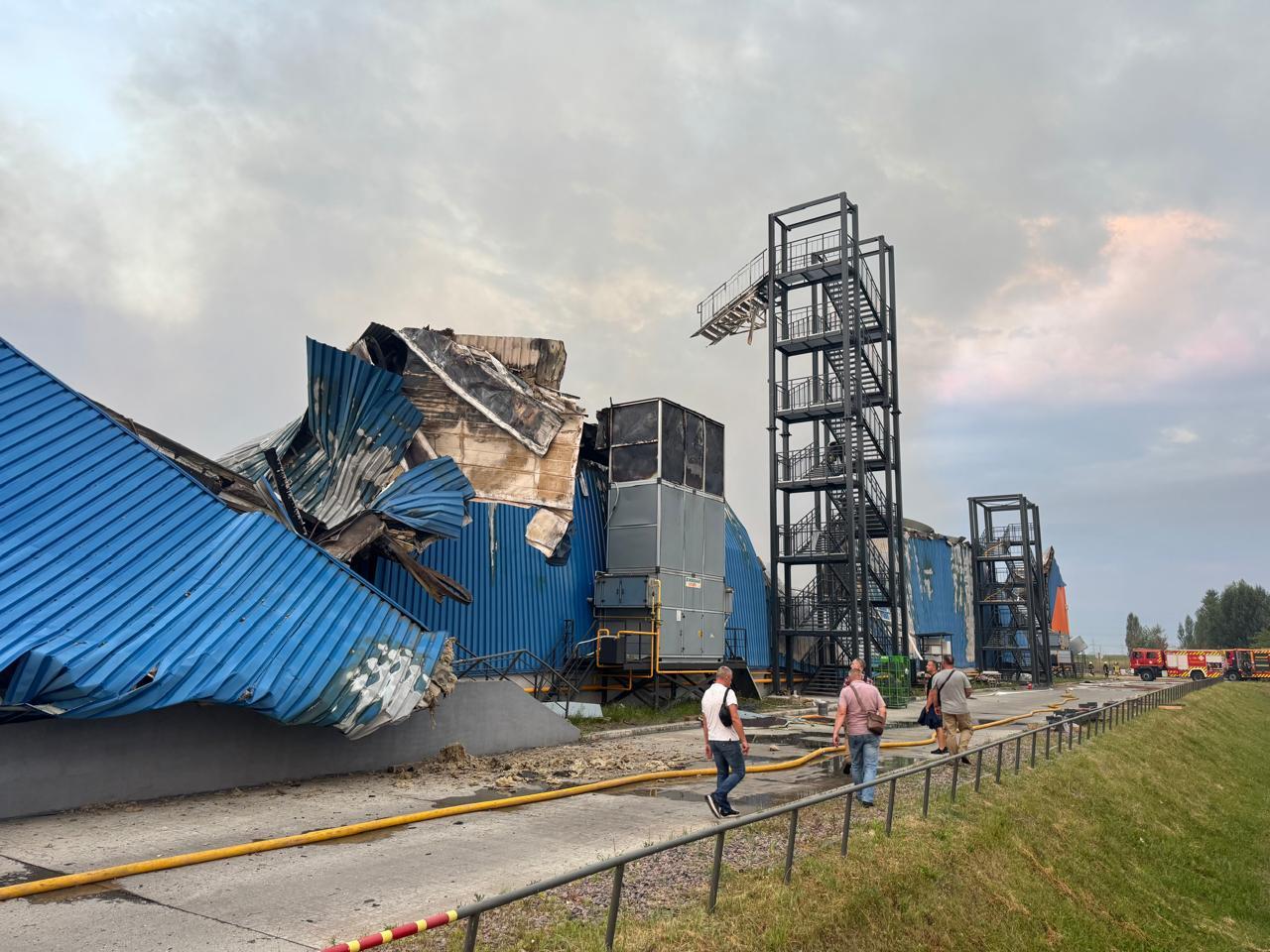
Ukraine’s largest e-commerce platform Rozetka has announced significant workforce reductions following the destruction of its major warehouse facility in Brovary, a suburb of Kyiv. The devastating loss of the logistics center, which employed more than 1,000 people, has forced the company to fundamentally restructure its business model and shift away from direct sales toward a marketplace approach. This strategic pivot represents one of the most significant operational changes in the company’s history and reflects the broader challenges facing Ukrainian businesses amid the ongoing conflict.
The Brovary Warehouse Destruction and Its Impact
The Brovary warehouse served as one of Rozetka’s primary distribution hubs, handling a substantial portion of the company’s inventory and order fulfillment operations. The facility’s destruction has dealt a severe blow to the company’s logistics capabilities, eliminating not only physical infrastructure worth millions of dollars but also displacing the workforce that kept operations running smoothly. The more than 1,000 employees who worked at the site now face an uncertain future as the company navigates this crisis. Rozetka has indicated that it will substantially reduce its direct sales operations, which traditionally required significant warehouse space, inventory management, and fulfillment staff.
Founded in 2005 by Vladyslav Chechotkin, Rozetka grew from a small online electronics retailer into Ukraine’s dominant e-commerce platform, often compared to Amazon in its scope and influence on the domestic market. Before the full-scale invasion began in February 2022, the company operated multiple warehouse facilities across Ukraine and employed thousands of workers in various capacities. The platform offered everything from electronics and household goods to clothing, groceries, and automotive parts, serving millions of Ukrainian consumers annually.
Strategic Shift Toward Marketplace Model
In response to the warehouse destruction, Rozetka has announced plans to accelerate its transition toward a marketplace model, where third-party sellers list and fulfill their own products through the platform. This approach significantly reduces the company’s need for extensive warehouse infrastructure and large fulfillment teams, as the logistics burden shifts to individual vendors. The marketplace model has proven successful for global e-commerce giants and offers greater resilience against physical infrastructure losses. However, this transition means that many positions previously required for direct sales operations will become redundant, leading to the announced staff reductions.
The shift reflects a growing trend in e-commerce where platforms increasingly serve as intermediaries rather than traditional retailers. Companies like Alibaba, eBay, and even Amazon have demonstrated that marketplace models can generate substantial revenue through commissions and fees while maintaining lower overhead costs. For Rozetka, this pivot may ensure long-term survival but comes at a significant human cost during an already challenging period for Ukrainian workers. Industry analysts note that rebuilding destroyed infrastructure during wartime presents enormous logistical and financial challenges, making the marketplace approach a pragmatic, if painful, solution.
Broader Context of Ukrainian E-Commerce During Wartime
Rozetka’s situation exemplifies the broader struggles facing Ukrainian businesses since the escalation of conflict in 2022. Numerous companies have lost facilities, faced supply chain disruptions, and been forced to relocate operations westward. The e-commerce sector initially saw increased demand as traditional retail became more difficult in many areas, but infrastructure attacks have repeatedly disrupted logistics networks. Despite these challenges, Ukrainian e-commerce has shown remarkable resilience, with many platforms continuing operations even during the most intense periods of conflict. Rozetka has previously adapted by establishing new logistics routes, partnering with international carriers, and expanding its network of pickup points across safer regions of the country.
The company’s decision to reduce staff while pivoting its business model will likely influence other Ukrainian retailers considering similar transitions. As businesses across the country face ongoing risks to physical infrastructure, the appeal of asset-light business models continues to grow. For the affected workers in Brovary, however, the immediate concern remains finding new employment in an economy already strained by the demands of wartime. Support programs and retraining initiatives may help ease the transition, but the human impact of such corporate restructuring during a national crisis cannot be understated.
Expert Opinion: This strategic pivot by Rozetka signals a broader transformation in Ukrainian e-commerce that may become permanent even after the conflict ends. Companies that successfully transition to marketplace models during wartime will emerge with leaner operations and greater resilience, though the short-term employment impact will add pressure to Ukraine’s already strained labor market. The key question is whether Rozetka can maintain its market dominance while competitors potentially capitalize on the transition period.