


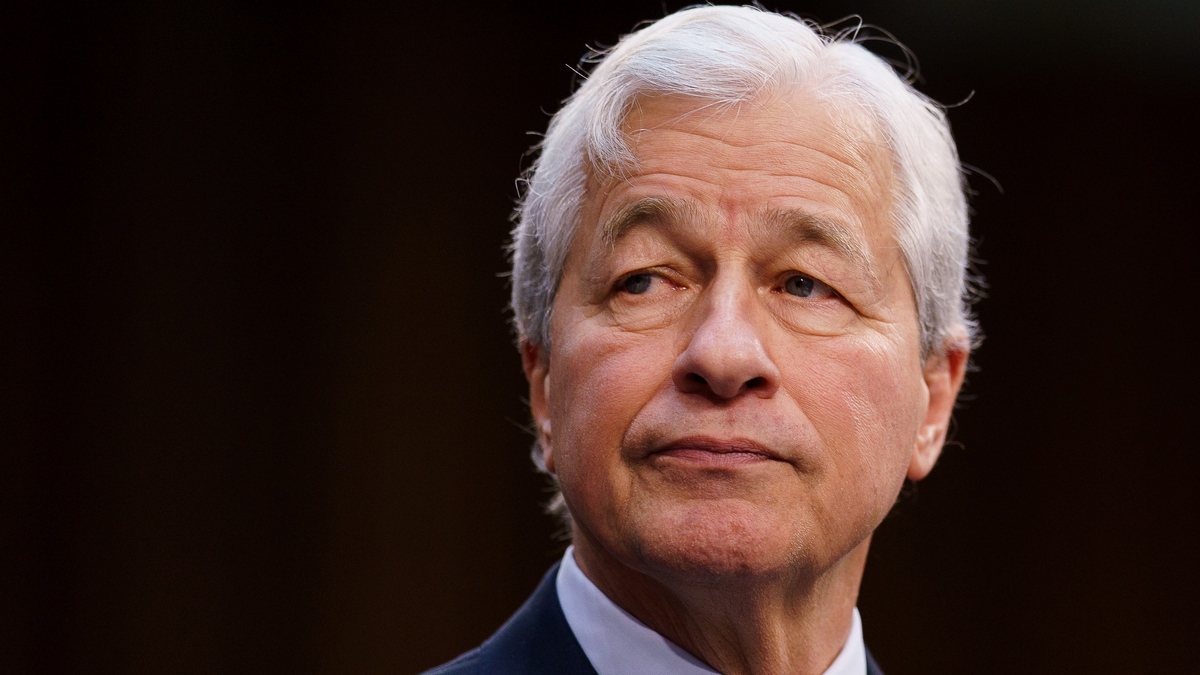
Jamie Dimon, the influential chief executive of JPMorgan Chase, has issued a stark warning about the future of the U.S. dollar as the world’s dominant reserve currency. In his latest assessment of global economic conditions, Dimon suggested that a potential weakening of American military power could fundamentally undermine the dollar’s privileged position in international finance. The warning comes at a time of increasing geopolitical tensions and growing questions about American economic leadership on the world stage.
The JPMorgan chief’s comments reflect broader concerns among financial leaders about the long-term stability of the current global monetary order. For decades, the U.S. dollar has served as the backbone of international trade and finance, with central banks around the world holding substantial dollar reserves. This status has provided the United States with significant economic advantages, including the ability to borrow at lower interest rates and maintain influence over global financial systems.
The Historical Foundation of Dollar Dominance
The dollar’s position as the world’s primary reserve currency dates back to the Bretton Woods Agreement of 1944, when allied nations established a new international monetary system with the U.S. dollar at its center. This arrangement was underpinned not only by America’s economic strength but also by its overwhelming military power following World War II. The connection between military might and currency dominance has remained a consistent theme throughout modern economic history, with nations’ currencies often reflecting their broader geopolitical influence.
Currently, approximately 60 percent of global foreign exchange reserves are held in U.S. dollars, according to International Monetary Fund data. This dominance, while diminished from its peak in the early 2000s, still far exceeds that of any other currency. The euro, the second most widely held reserve currency, accounts for roughly 20 percent of global reserves. However, experts have noted a gradual diversification trend as some nations seek to reduce their dependence on the dollar.
Growing Challenges to American Economic Leadership
Dimon’s warning arrives amid multiple challenges to U.S. economic supremacy. China’s continued economic rise, the expansion of alternative payment systems, and recent tensions over trade policy have all contributed to discussions about potential shifts in the global monetary order. Some nations, particularly those facing U.S. sanctions, have actively sought to conduct trade in alternative currencies, potentially laying the groundwork for a more multipolar financial system.
The relationship between military strength and currency status that Dimon highlighted is not merely theoretical. Throughout history, dominant currencies have typically belonged to nations with strong military capabilities. The British pound sterling’s decline as a reserve currency in the 20th century coincided with Britain’s diminishing military presence globally. Financial historians note that economic and military power have traditionally reinforced each other, creating a foundation for currency dominance that extends beyond purely economic factors.
Implications for Global Markets and Investors
Market analysts have taken note of Dimon’s comments, recognizing his position as one of the most influential voices in global banking. JPMorgan Chase, as the largest bank in the United States with over $3 trillion in assets, plays a central role in international financial markets. When its CEO speaks about fundamental shifts in the monetary order, investors and policymakers around the world pay attention. The bank’s extensive global operations give Dimon unique insight into international financial flows and emerging trends.
Looking ahead, the debate over the dollar’s future status is likely to intensify as geopolitical competition increases. While most economists agree that any significant shift away from dollar dominance would occur gradually over decades rather than suddenly, the warning from Dimon underscores the importance of maintaining both economic strength and strategic capabilities. For now, the dollar remains firmly entrenched as the world’s reserve currency, but the factors supporting this position may be more fragile than many assume.
Expert Opinion: While an immediate collapse of dollar dominance remains unlikely, Dimon’s warning should be viewed as a strategic alert rather than a near-term prediction. The gradual erosion of U.S. military and economic influence, combined with the rise of alternative financial systems and digital currencies, could accelerate dedollarization trends over the next two decades. Policymakers would be wise to address these structural vulnerabilities before they become irreversible.