


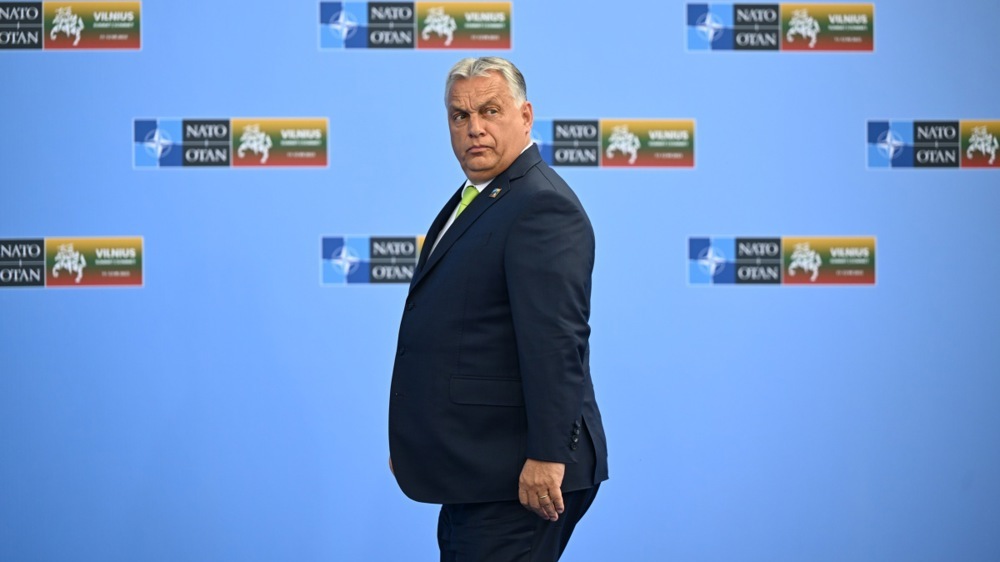
A major political controversy is unfolding in Hungary as the office of opposition leader Péter Magyar has filed a criminal complaint concerning the massive government expenditures on Prime Minister Viktor Orbán’s social media presence. The complaint centers on Triton Communications, the company managing Orbán’s social media accounts, which has reportedly received over 4.2 billion Hungarian forints (approximately 11 million euros) since 2022. This substantial sum has raised serious questions about the appropriate use of public funds and the blurring lines between state resources and political campaigning in Hungary.
The criminal complaint alleges potential misuse of taxpayer money, suggesting that government funds designated for official communications may have been improperly channeled into what critics describe as essentially political propaganda operations. Magyar’s team argues that such expenditures represent an unfair advantage for the ruling Fidesz party, effectively using state coffers to finance partisan political messaging under the guise of official government communication.
Background on Hungarian Media Landscape
The controversy comes against the backdrop of Hungary’s increasingly centralized media environment, which has been a subject of international concern for years. Under Viktor Orbán’s leadership since 2010, critics and press freedom organizations have documented a systematic consolidation of media outlets under government-friendly ownership. The European Union and various watchdog groups have repeatedly expressed alarm about the shrinking space for independent journalism and the dominant position of pro-government voices across television, radio, and print media.
Social media has become an increasingly important battleground in this context, as it represents one of the few spaces where opposition voices can reach Hungarian citizens without filtering through government-aligned traditional media. The substantial investment in Orbán’s social media presence reflects the recognition by Hungarian authorities of the platform’s growing importance in shaping public opinion, particularly among younger voters who consume news primarily through digital channels.
Péter Magyar’s Rise as Opposition Figure
Péter Magyar has emerged as the most significant challenger to Orbán’s dominance in recent Hungarian politics. A former government insider who became a whistleblower, Magyar has built a substantial following by exposing alleged corruption and misconduct within the ruling establishment. His political movement has gained remarkable momentum, with polls suggesting he poses the first genuine electoral threat to Fidesz in over a decade. The filing of this criminal complaint represents part of his broader strategy to challenge what he characterizes as systemic corruption in Hungarian governance.
Magyar’s accusations tap into widespread public frustration over how government resources are allocated, particularly as Hungary faces economic challenges including high inflation and strained public services. The opposition leader has positioned himself as an anti-corruption crusader, and the social media spending controversy provides a concrete example to support his narrative about the misuse of public funds by those in power.
Implications for Hungarian Democracy
The case raises fundamental questions about transparency and accountability in modern political communication. While governments worldwide invest in digital communication strategies, the scale of spending on a single leader’s personal social media accounts has drawn scrutiny from legal experts and civil society organizations. Hungarian law requires clear separation between official government communications and political party activities, and the complaint suggests this boundary may have been violated.
International observers are watching the case closely, as it touches on broader concerns about democratic backsliding in Hungary that have led to ongoing disputes with European Union institutions. The European Commission has already withheld billions in EU funds over rule of law concerns, and this latest controversy may add to the body of evidence cited by Brussels in its criticisms of the Orbán government’s practices.
Expert Opinion: This criminal complaint, regardless of its legal outcome, signals a significant shift in Hungarian opposition strategy toward direct legal challenges against alleged government misconduct. The substantial sum involved—over 4 billion forints—makes this case particularly noteworthy and could set precedents for how European democracies regulate the intersection of government communications and political campaigning in the social media age. Observers expect this issue to feature prominently in upcoming electoral contests as Hungarians debate the appropriate limits of state-funded political messaging.