




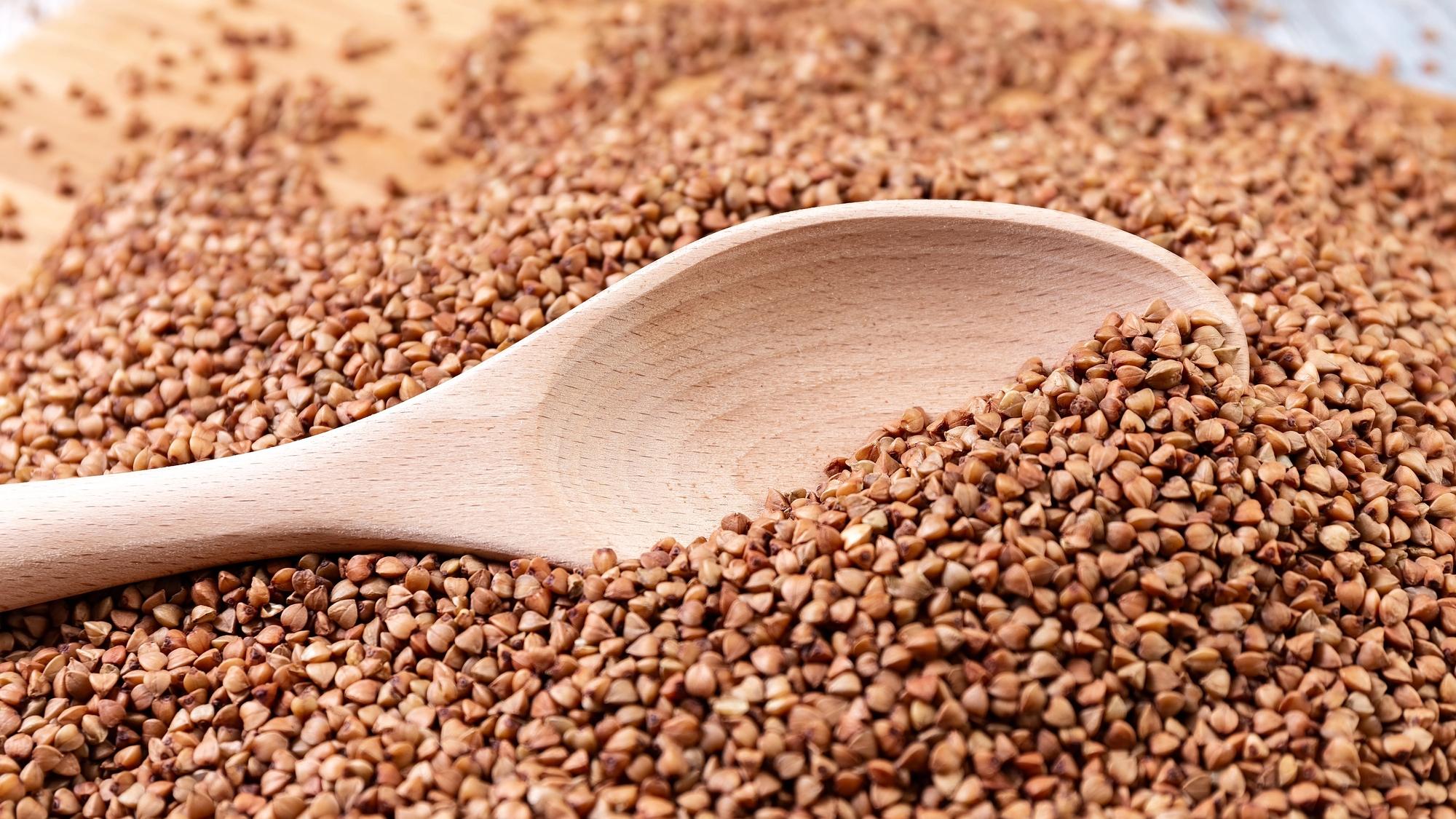
Ukrainian agricultural officials have reassured consumers that the country will not face a buckwheat deficit in the coming months, though market prices for this staple grain may fluctuate. The announcement comes amid ongoing concerns about food security in the region, as geopolitical tensions and climate factors continue to influence agricultural production across Eastern Europe. Deputy Minister of Agrarian Policy Taras Vysotsky stated that buckwheat production is expected to remain at approximately the same level as the previous year, providing sufficient supply for domestic consumption.
Buckwheat holds a special place in Ukrainian and Eastern European cuisine, serving as a dietary staple for millions of households. Unlike wheat or rice, buckwheat is actually a pseudocereal related to rhubarb and sorrel, prized for its nutritional value and gluten-free properties. The grain is rich in protein, fiber, and essential minerals, making it a cornerstone of traditional dishes such as kasha, a porridge that has been consumed in the region for centuries. Ukraine has historically been one of the world’s leading producers of buckwheat, alongside Russia and China.
Production Levels and Market Dynamics
According to Vysotsky’s assessment, Ukrainian farmers have maintained their buckwheat cultivation despite the challenging conditions that have affected the agricultural sector in recent years. The expected harvest volume suggests that domestic demand can be adequately met without resorting to significant imports. However, the official acknowledged that pricing dynamics may shift due to various factors including production costs, transportation expenses, and broader economic conditions affecting the agricultural industry.
The Ukrainian agricultural sector has demonstrated remarkable resilience in maintaining food production despite numerous obstacles. Farmers have adapted their practices and logistics to ensure continued cultivation of essential crops. Buckwheat, which typically requires specific growing conditions including well-drained soil and moderate temperatures, has remained a viable crop for many Ukrainian producers who have expertise in cultivating this traditional grain. The planting season and weather patterns play crucial roles in determining final yields, and early indicators suggest production will meet expectations.
Price Fluctuations and Consumer Impact
While supply appears secure, consumers should prepare for possible price adjustments in the buckwheat market. Several factors contribute to price volatility in agricultural commodities, including fuel costs for farming equipment and transportation, fertilizer prices, labor expenses, and currency fluctuations. The global grain market has experienced significant turbulence in recent years, affecting pricing structures across various crops. Energy costs, which directly impact production and distribution expenses, remain a particularly important variable in determining final retail prices for agricultural products.
Market analysts note that buckwheat prices in Ukraine have historically shown seasonal patterns, with costs typically lower immediately after harvest and gradually increasing as stored supplies diminish throughout the year. The government’s assurance of adequate production levels should help moderate any extreme price spikes, though consumers may still notice incremental changes at retail outlets. Food security experts emphasize that price stability depends not only on production volumes but also on the efficiency of distribution networks and storage infrastructure.
Long-term Agricultural Outlook
Looking ahead, Ukrainian agricultural authorities continue to monitor crop conditions and market trends to ensure food security for the population. The buckwheat sector represents just one component of the broader agricultural economy, which encompasses a diverse range of grains, oilseeds, and other commodities. Government officials have indicated their commitment to supporting farmers and maintaining stable food supplies, recognizing the essential role that agriculture plays in both the national economy and household food security. International agricultural organizations have praised Ukraine’s efforts to sustain production levels under difficult circumstances, highlighting the dedication of farmers and policymakers alike in addressing food security challenges.
Expert Opinion: Agricultural economists suggest that Ukraine’s buckwheat market will likely remain stable through the next harvest cycle, with price increases expected to stay within manageable ranges of 10-15 percent. The key factors to watch include energy costs and weather conditions during the growing season, which could either support current production forecasts or create additional market pressure. Consumers would be wise to monitor prices but should not engage in panic buying, as supply fundamentals remain sound.