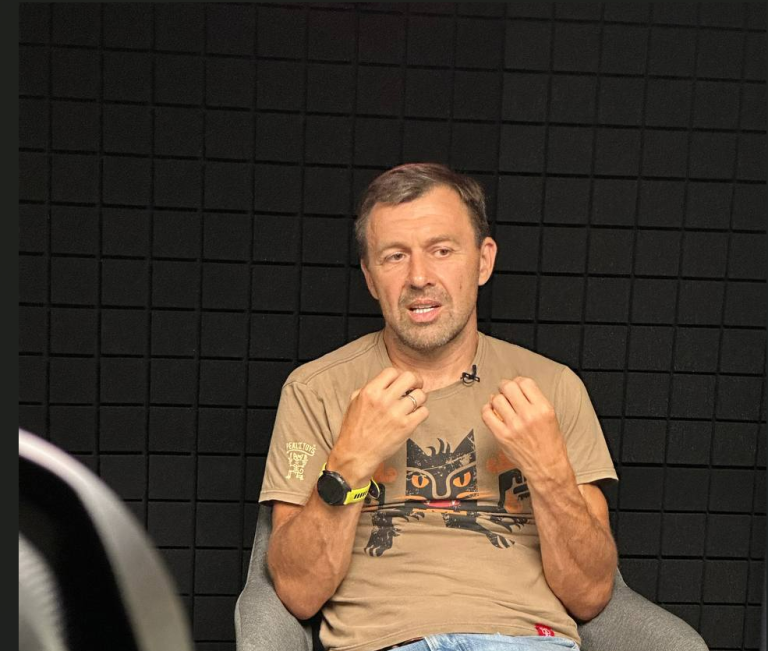


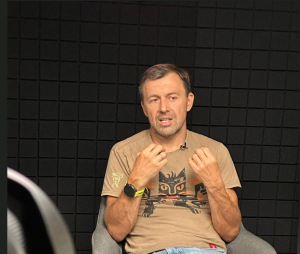
The founder and owner of Rozetka, Ukraine’s largest e-commerce platform, has broken his silence regarding the substantial financial losses the company has sustained since the beginning of Russia’s full-scale invasion. Vladyslav Chechetkin, the entrepreneur behind Ukraine’s dominant online marketplace, revealed that the damages amount to “not one or two billion” hryvnias, painting a stark picture of the challenges facing Ukrainian businesses operating under wartime conditions. His candid remarks come as the country’s business sector grapples with unprecedented operational difficulties, from infrastructure destruction to supply chain disruptions.
Massive Losses and the Struggle for Business Survival
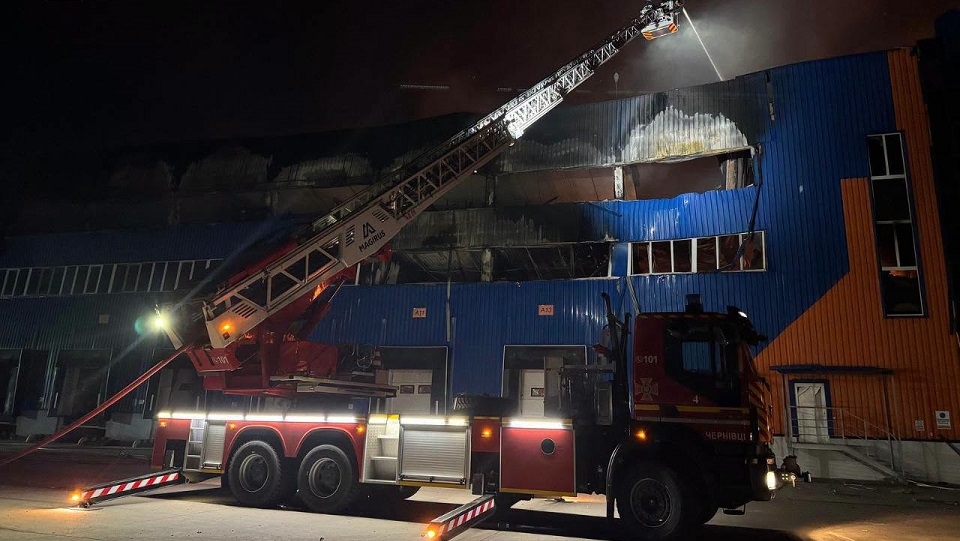
Chechetkin’s disclosure highlights the enormous toll that nearly three years of full-scale war have taken on even the most established Ukrainian companies. Rozetka, which commands approximately 40% of Ukraine’s e-commerce market and employs thousands of workers across the country, has seen multiple warehouses and logistics centers damaged or destroyed by Russian missile and drone attacks. The company, founded in 2005, had grown to become a household name in Ukraine, often compared to Amazon in terms of its market dominance and the breadth of products offered to consumers. The billions in losses represent not just physical infrastructure damage but also lost revenue, disrupted operations, and the enormous costs of maintaining business continuity under constant threat of attack.
The situation facing Rozetka reflects broader challenges throughout Ukraine’s business landscape. According to various estimates, Ukrainian businesses have suffered over $150 billion in direct damages since February 2022, with the retail and logistics sectors among the hardest hit. Many companies have been forced to relocate operations westward, implement split-location strategies for critical infrastructure, and invest heavily in security measures that would have been unthinkable in peacetime. For Rozetka, this has meant rebuilding damaged facilities, diversifying warehouse locations, and maintaining operations despite regular power outages and air raid alerts that can halt work for hours at a time.
Calls for Government Support and Risk Insurance
In his public statements, Chechetkin issued a pointed appeal to the Ukrainian government, calling for simplified procedures that would allow businesses to obtain insurance coverage for war-related risks. This issue has become increasingly critical for Ukrainian companies seeking to protect their investments and maintain operations. Traditional insurance markets have largely withdrawn from covering war risks in Ukraine, leaving businesses exposed to potentially catastrophic losses with no financial safety net. The Rozetka owner emphasized that without accessible war risk insurance, companies face impossible choices between continuing operations and protecting their assets from potential destruction.
Additionally, Chechetkin advocated for clearer and more permissive regulations regarding private air defense systems. As Ukrainian critical infrastructure and commercial facilities have become frequent targets of Russian attacks, some large businesses have explored the possibility of installing their own protective measures. However, current regulations create significant bureaucratic hurdles and legal uncertainties that prevent companies from taking these defensive steps. The call for regulatory reform reflects a growing recognition among Ukrainian business leaders that the private sector must play a more active role in its own protection, given the scale of the threat and the limitations of state air defense capabilities in covering all potential targets.
The Future of Ukrainian E-Commerce
Despite the enormous challenges, Chechetkin and Rozetka have demonstrated remarkable resilience in maintaining operations throughout the conflict. The company continues to process thousands of orders daily, delivering goods to customers across Ukraine, including in areas relatively close to active combat zones. This persistence reflects both the determination of Ukrainian businesses to continue operating and the essential role that e-commerce has come to play in everyday life, particularly when physical shopping can be dangerous or impractical. Industry analysts note that Ukrainian consumers have increasingly shifted to online purchasing during the war, actually accelerating certain e-commerce trends that were already underway before 2022.
Looking ahead, the future of Rozetka and similar Ukrainian businesses will depend heavily on several factors: the trajectory of the conflict itself, the availability of reconstruction financing, and the policy decisions made by the Ukrainian government regarding business support measures. International partners and financial institutions have begun developing various insurance and guarantee mechanisms to help Ukrainian businesses manage war-related risks, though implementation has been slower than many had hoped. For now, companies like Rozetka continue to operate day by day, balancing the immediate demands of wartime business with longer-term planning for eventual recovery and growth in a post-war Ukrainian economy that many hope will emerge stronger and more integrated with European markets.
Expert Opinion: The disclosure of multi-billion hryvnia losses by Ukraine’s largest e-commerce platform underscores a critical gap in the country’s wartime economic policy framework. Without functional war risk insurance mechanisms and clearer regulations for private protective measures, even the most resilient Ukrainian businesses will struggle to attract investment and maintain growth. The government’s response to these calls from major business leaders will likely determine whether Ukraine can preserve its economic capacity throughout the conflict and position itself for rapid post-war recovery.