




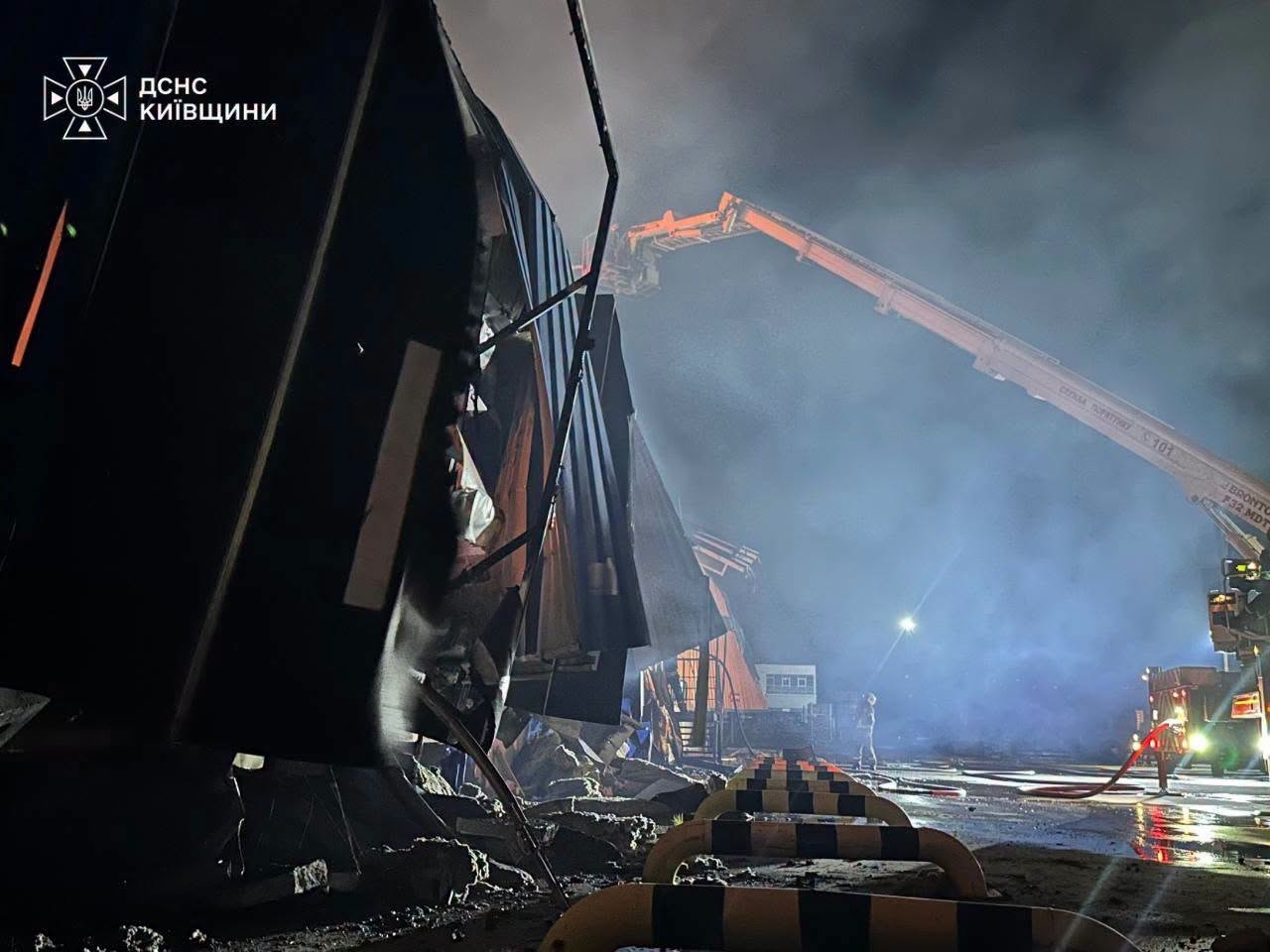
Manufacturers and suppliers across affected regions are being forced to raise prices on select goods by 15 to 20 percent as they scramble to cover mounting losses and significantly higher logistics costs. The destruction of key warehouse facilities has sent shockwaves through supply chains, creating a ripple effect that economists warn will ultimately be felt by everyday consumers at checkout counters in the coming weeks and months.
The damage to critical storage infrastructure has created an immediate crisis for businesses that relied on these facilities to house inventory and coordinate distribution networks. Companies that previously enjoyed streamlined operations with predictable costs are now facing the daunting task of finding alternative storage solutions, often at premium prices. Emergency warehousing arrangements, longer transportation routes, and increased insurance premiums are all contributing to the dramatic cost increases that businesses say they have no choice but to pass along to consumers.
Supply Chain Disruption and Economic Impact
The destruction of warehouse facilities represents more than just physical infrastructure loss — it strikes at the heart of modern commerce’s carefully calibrated just-in-time delivery systems. Industry analysts note that contemporary retail operations typically maintain minimal inventory buffers, making them particularly vulnerable to sudden disruptions in storage capacity. When warehouses are destroyed, the entire supply chain must rapidly reconfigure, often at considerable expense and with significant delays.
Historical precedents demonstrate how warehouse destruction can trigger lasting economic consequences. Similar infrastructure losses during natural disasters and conflicts have previously led to price spikes lasting anywhere from several months to over a year, depending on the speed of reconstruction and the availability of alternative facilities. Economic researchers have observed that food products, electronics, and household goods typically experience the most pronounced price increases during such disruptions, as these categories rely heavily on efficient warehousing and rapid turnover.
Business Response and Consumer Outlook
Manufacturers and distributors are implementing various strategies to mitigate the impact, though none come without cost. Some companies are accelerating partnerships with third-party logistics providers, while others are investing in rapid construction of temporary storage facilities. A number of businesses report exploring decentralized warehousing models that would distribute inventory across multiple smaller locations rather than concentrating goods in large central hubs — an approach that adds complexity and expense but reduces vulnerability to catastrophic loss.
Consumer advocacy groups are urging shoppers to prepare for gradual price increases rather than sudden spikes, as businesses typically phase in higher prices over time to avoid sticker shock. Financial advisors recommend that households review their budgets and consider adjusting purchasing patterns, potentially buying in bulk when possible or substituting lower-cost alternatives for premium brands. Government officials in affected regions have indicated they are monitoring the situation closely and evaluating potential intervention measures to prevent price gouging or provide relief to struggling businesses and consumers.
Looking ahead, industry experts suggest that full recovery of warehousing capacity could take anywhere from six months to two years, depending on reconstruction timelines and investment levels. The 15-20 percent price increase figure represents a near-term estimate, with actual long-term impacts depending heavily on how quickly alternative logistics solutions can be implemented and whether additional disruptions occur. Economists emphasize that while painful, such price adjustments are a natural market response to genuine supply constraints and increased operational costs.
Expert Opinion: The projected 15-20% price increase likely represents a conservative estimate for the immediate term, with certain product categories potentially experiencing even steeper hikes as secondary effects cascade through supply networks. Businesses that can quickly diversify their logistics infrastructure will gain competitive advantages, while those dependent on destroyed facilities may face existential challenges. Consumers should anticipate elevated prices persisting well into next year, even after physical reconstruction is complete, as companies work to recoup losses and rebuild financial reserves.