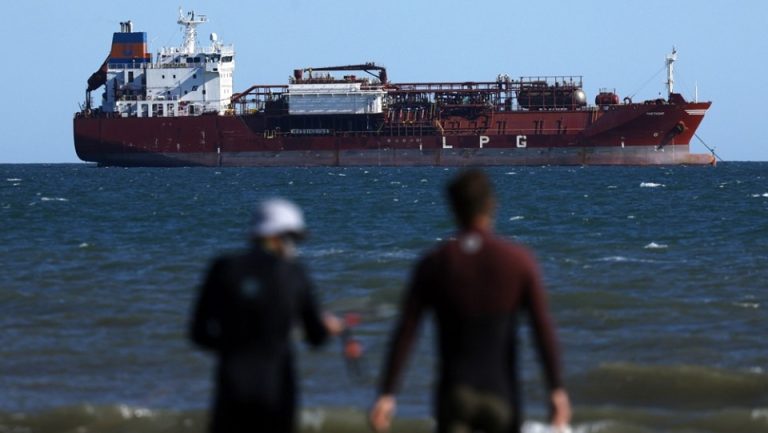





The United States is considering new sanctions targeting Russian oil exports, a move that could significantly complicate ongoing trade negotiations with India, according to Bloomberg sources. The proposed measures would create additional pressure on one of the largest buyers of Russian crude, potentially forcing New Delhi to choose between maintaining its energy security strategy and preserving its crucial trade relationship with Washington. Indian officials are unlikely to publicly criticize the new US sanctions bill, but behind closed doors, tensions are reportedly mounting over the implications for India’s energy imports.
India’s Strategic Balancing Act Between East and West
Since the outbreak of the Russia-Ukraine conflict in February 2022, India has emerged as one of the largest purchasers of Russian crude oil, taking advantage of heavily discounted prices offered by Moscow as Western buyers withdrew from the market. Russian oil exports to India have increased dramatically, with some estimates suggesting that Russia now accounts for approximately 35-40% of India’s total crude oil imports, compared to less than 2% before the conflict began. This shift has saved India billions of dollars on its energy bill, a crucial consideration for a nation that imports roughly 85% of its oil requirements.
The Indian government has consistently maintained that its purchases of Russian oil are driven by domestic economic necessities rather than political alignment. Prime Minister Narendra Modi’s administration has emphasized that protecting Indian consumers from volatile global energy prices remains a top priority. However, this position has created diplomatic friction with the United States, which has been working to limit Russia’s oil revenues as part of its broader strategy to pressure Moscow over its military actions in Ukraine.
The New Sanctions Bill and Its Potential Impact
The proposed US legislation would introduce stricter penalties on entities involved in transporting, financing, or facilitating the sale of Russian oil above the G7 price cap of $60 per barrel. Current enforcement mechanisms have proven difficult to implement effectively, with Russian crude often changing hands through complex shipping arrangements and intermediary countries. The new measures would reportedly target the so-called “shadow fleet” of tankers used to circumvent existing restrictions, as well as financial institutions that process payments for Russian energy transactions.
For India, these potential sanctions present a significant dilemma. Indian refiners have invested heavily in processing Russian crude grades, and abrupt changes to supply arrangements could disrupt domestic fuel markets. Additionally, India has been conducting an increasing portion of its Russian oil trade in non-dollar currencies, including the Indian rupee and the UAE dirham, which could theoretically expose Indian financial institutions to secondary sanctions risk if the new legislation is broadly worded.
Trade Negotiations at a Critical Juncture
The timing of the potential sanctions is particularly sensitive given the current state of US-India trade relations. Both nations have been working toward a comprehensive trade agreement that would reduce tariffs and expand market access across multiple sectors. The Trump administration has made securing favorable trade terms with India a priority, viewing the world’s most populous nation as both a crucial market and a potential counterweight to China’s economic influence in Asia. However, the sanctions issue threatens to inject new complications into these already complex negotiations.
Historically, India has sought to maintain strategic autonomy in its foreign policy, avoiding exclusive alignment with any single power bloc. This approach has served New Delhi well during periods of great power competition, allowing it to maintain productive relationships with both Russia, a longstanding defense partner since the Soviet era, and the United States, which has become increasingly important for trade, technology, and strategic cooperation in the Indo-Pacific region. The new sanctions pressure could test the limits of this balancing strategy.
Looking Ahead: Diplomatic and Economic Implications
Analysts suggest that India will likely pursue quiet diplomacy rather than public confrontation over the sanctions issue. New Delhi may seek exemptions or carve-outs for Indian purchases, similar to arrangements negotiated in the past regarding Iranian oil sanctions. Indian officials could also emphasize the country’s broader strategic value to the United States, including its role in the Quad security partnership and its importance as a democratic counterbalance to China in Asia. The coming weeks will reveal whether these diplomatic efforts can successfully navigate the competing pressures of energy security, trade relations, and geopolitical alignment.
Expert Opinion: The unfolding situation highlights a fundamental tension in US foreign policy between punishing Russia economically and maintaining strong partnerships with rising powers like India. Washington may ultimately need to accept some flexibility in sanctions enforcement to preserve its broader strategic relationship with New Delhi, particularly as competition with China intensifies. The outcome of this diplomatic test could set important precedents for how secondary sanctions are applied to major US partners in the future.