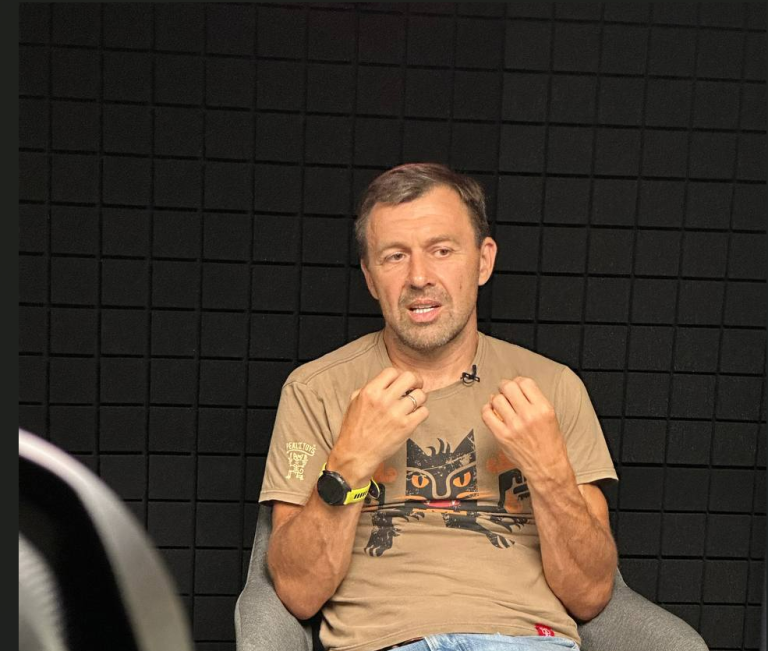



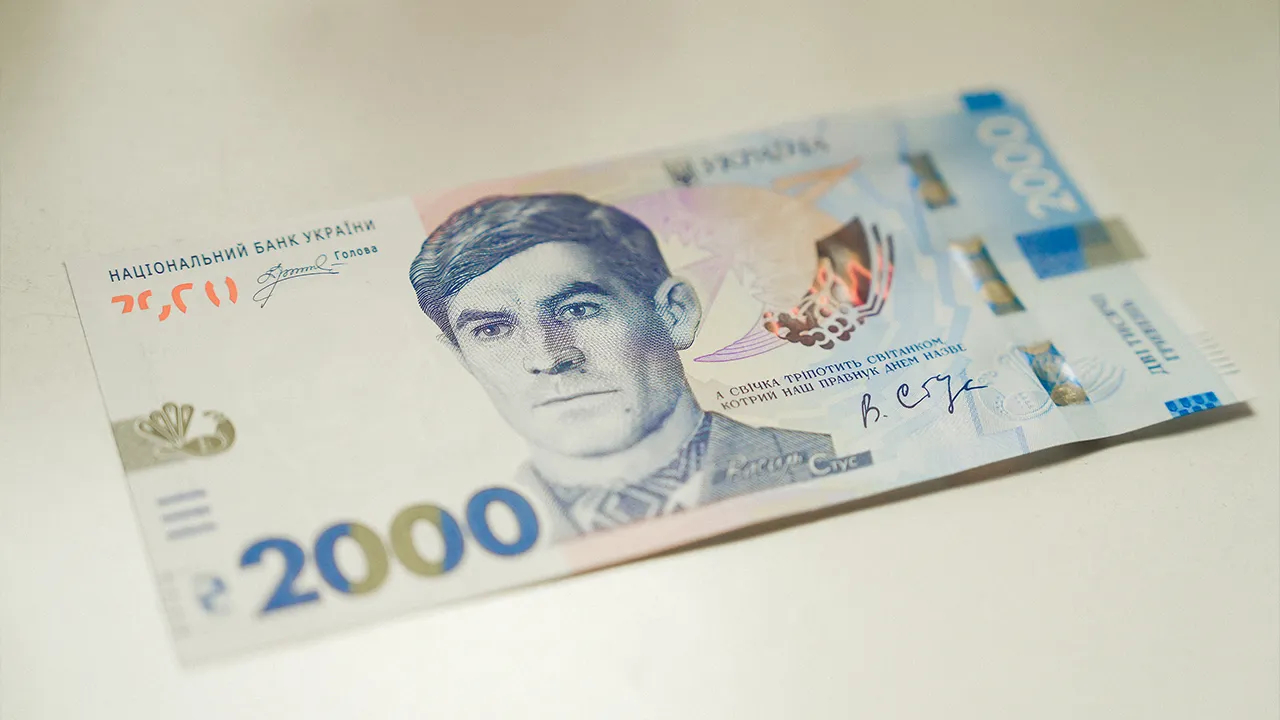
The National Bank of Ukraine (NBU) has announced plans to update the design of the 2000 hryvnia banknote following public controversy surrounding the font used on the currency. NBU Governor Andriy Pyshnyy addressed the allegations that the bank had used a “stolen” font, firmly rejecting such claims while simultaneously confirming that changes would be made to distance the currency from any association with Russian citizens.
The decision comes amid heightened sensitivity in Ukraine regarding any connections to Russia, particularly in the context of the ongoing war. Ukrainian society has become increasingly vigilant about cultural and economic ties to the aggressor state, scrutinizing everything from business relationships to artistic collaborations. The font controversy represents yet another example of how the conflict has permeated even the most unexpected aspects of daily life, including the design of national currency.
The Font Controversy Explained
The controversy erupted when observers pointed out that the typeface used on the 2000 hryvnia note was allegedly created by a Russian citizen. In the current geopolitical climate, this discovery sparked immediate backlash on social media and among Ukrainian patriots who demanded that national symbols remain free from any Russian influence. The font in question had been incorporated into the banknote design during the note’s creation, at a time when such associations may not have been as politically charged.
Governor Pyshnyy was quick to clarify that the NBU had not violated any copyright laws or used pirated typography. The bank maintains that all licensing and legal requirements were properly fulfilled during the design process. However, acknowledging the symbolic importance of national currency, especially during wartime, the central bank decided that practical considerations must yield to national sentiment and the desire for complete cultural independence from Russia.
Historical Context of Ukrainian Currency
The hryvnia has served as Ukraine’s national currency since 1996, replacing the karbovanets that had been used during the transitional period following independence from the Soviet Union. Over the decades, Ukrainian banknotes have featured prominent historical figures, cultural landmarks, and national symbols that reflect the country’s rich heritage and aspirations for sovereignty. The 2000 hryvnia note, introduced as one of the higher denominations, carries particular significance as it represents substantial purchasing power and is often used in major transactions.
Currency design has always been a matter of national pride for independent nations, serving as a daily reminder of sovereignty and cultural identity. For Ukraine, this symbolism has taken on even greater meaning since Russia’s full-scale invasion in February 2022. The country has made concerted efforts to eliminate Russian cultural influence across multiple sectors, from renaming streets that honored Russian figures to removing Russian-language content from public spaces. The font change on the banknote aligns with this broader de-Russification movement.
Implementation and Future Changes
While the NBU has not disclosed specific details about the timeline for implementing the new design, such changes typically require significant preparation. Currency redesigns involve multiple stages, including selecting new typography, testing security features, updating printing plates, and gradually phasing out old notes while introducing new ones into circulation. The process must be carefully managed to prevent counterfeiting vulnerabilities and ensure smooth transitions in the banking system.
The central bank’s decision reflects a growing trend among Ukrainian institutions to audit their practices and partnerships for any Russian connections. This extends beyond mere symbolism – many Ukrainian businesses have terminated contracts with Russian suppliers, and cultural institutions have removed works by Russian artists from exhibitions. The font controversy, while seemingly minor in isolation, represents the thoroughness with which Ukrainian society is examining every aspect of national life for unwanted foreign influence.
Expert Opinion: This decision by the NBU demonstrates how wartime considerations have fundamentally altered institutional decision-making in Ukraine, extending even to aesthetic choices on national currency. While the practical impact of changing a font may be minimal, the symbolic value of ensuring complete cultural independence from Russia resonates deeply with Ukrainian citizens. We can expect similar scrutiny to continue across all sectors of Ukrainian society as the nation rebuilds its identity separate from Russian influence.