


In a dramatic turn of events that has captivated the nation, the high-profile murder case involving the killing of UnitedHealthcare CEO Brian Thompson on the streets of Manhattan is nearing its conclusion. Luigi Mangione, the 26-year-old man accused of the brazen assassination, has pleaded guilty to the charges against him, bringing one of the most closely watched criminal cases in recent American history closer to its final chapter. The defendant now faces the possibility of life in prison for the targeted killing that sent shockwaves through corporate America and sparked intense national debate about the healthcare industry.
The murder occurred on December 4, 2024, in the early morning hours outside the New York Hilton Midtown, where UnitedHealthcare was preparing to hold its annual investor conference. Thompson, 50, was shot multiple times by a masked gunman who had apparently been waiting for him outside the hotel. The shooter fled the scene on foot before escaping on an electric bicycle, leading to a massive manhunt that would captivate media attention for days. Security camera footage captured the chilling moment of the attack, showing a calculated and methodical execution that investigators quickly determined was a targeted assassination rather than a random act of violence.
The Manhunt and Arrest
The search for Thompson’s killer became one of the most intensive manhunts in recent New York City history. Law enforcement agencies across multiple states coordinated their efforts, analyzing surveillance footage, tracking digital footprints, and following leads from witnesses. The breakthrough came five days after the shooting when Mangione was apprehended at a McDonald’s restaurant in Altoona, Pennsylvania. An alert employee recognized him from widely circulated photographs and contacted authorities. Upon his arrest, police discovered he was carrying a 3D-printed firearm similar to the weapon used in the killing, along with a handwritten manifesto expressing grievances against the American healthcare system and insurance companies in particular.
Mangione’s background painted a complex picture of a young man who appeared to have everything going for him before his alleged descent into violence. A graduate of an elite Baltimore prep school and the University of Pennsylvania, he came from a prominent Maryland real estate family. Former classmates and acquaintances described him as intelligent and personable, making his alleged actions all the more shocking to those who knew him. Investigators believe that chronic back pain and frustrations with the healthcare system may have contributed to his radicalization, though the full motivations behind the killing continue to be examined.
Public Reaction and Cultural Impact
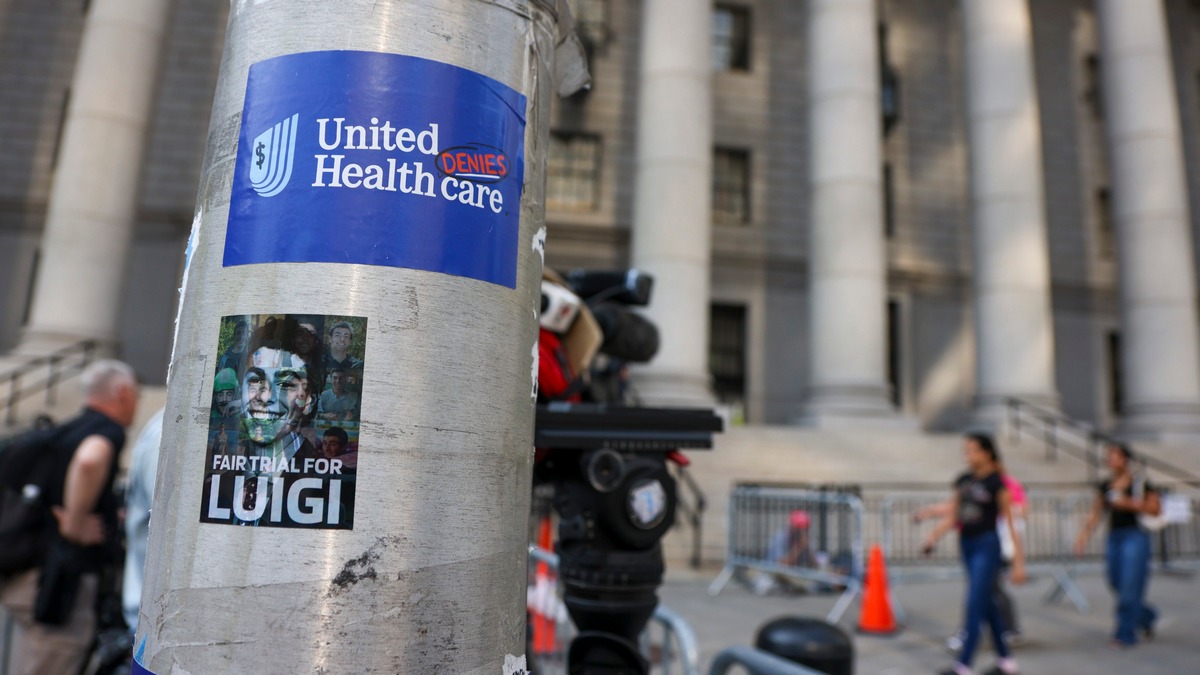
Perhaps the most striking aspect of this case has been the deeply divided public reaction. While the murder was universally condemned by officials and business leaders, a surprising groundswell of support emerged for Mangione on social media and in certain corners of public discourse. Many Americans, frustrated by denied insurance claims, astronomical medical bills, and what they perceive as a predatory healthcare system, expressed sympathy for the alleged killer’s apparent motivations, if not his methods. This phenomenon highlighted the profound anger many citizens feel toward the health insurance industry and sparked renewed calls for healthcare reform. UnitedHealthcare, as the largest private health insurer in the United States, has long faced criticism over claim denials and coverage disputes, making Thompson’s death symbolic to many of larger systemic issues.
The case has prompted soul-searching within the healthcare industry about its practices and public perception. Security measures for healthcare executives have been dramatically increased across the sector, with many companies reviewing their protocols and investing in additional protection for their leadership. Meanwhile, advocacy groups have seized upon the moment to push for legislative changes addressing insurance claim denials and patient rights. Legal experts note that while the public discourse around the case has been unusual, it should have no bearing on the judicial proceedings, which must focus solely on the evidence and applicable law.
Legal Proceedings and What Comes Next
With Mangione’s guilty plea now entered, the case moves toward sentencing, where prosecutors are expected to seek the maximum penalty of life imprisonment without the possibility of parole. The guilty plea eliminates the need for a trial, sparing the Thompson family from the ordeal of reliving the crime through detailed testimony and evidence presentation. However, the sentencing phase may still involve emotional victim impact statements and arguments from both prosecution and defense regarding the appropriate punishment. The case has raised important questions about mental health, the radicalization of individuals through grievance, and the boundaries of legitimate protest versus criminal violence.
Brian Thompson’s death has left a lasting impact that extends far beyond the personal tragedy for his family and colleagues. It has become a flashpoint in the ongoing American conversation about healthcare access, corporate accountability, and economic inequality. As the justice system prepares to deliver its verdict on Mangione’s fate, the broader societal issues his actions brought to the surface will likely continue to resonate in political debates and policy discussions for years to come. The case serves as a stark reminder of the tensions simmering beneath the surface of American society and the potential consequences when those tensions erupt into violence.
Expert Opinion: Legal analysts suggest that Mangione’s guilty plea indicates a strategic decision to avoid the uncertainties of trial and potentially position for sentencing arguments. This case is likely to become a landmark reference point for discussions about domestic terrorism, corporate security, and the intersection of personal grievance with systemic social issues. The healthcare industry should anticipate continued public pressure for transparency and reform, as the underlying frustrations that made this case resonate with many Americans remain largely unaddressed.