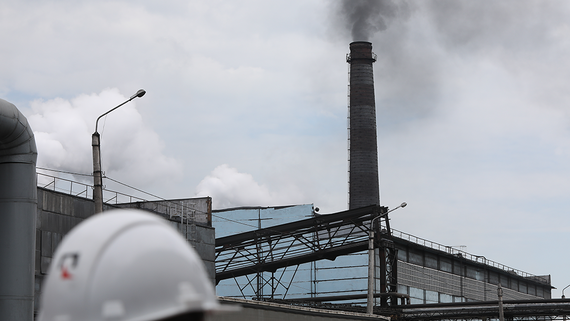


In a significant economic policy shift, Russian authorities have announced the expansion of the Special Economic Zone (SEZ) regime to encompass the entire territories of three border regions: Bryansk, Belgorod, and Kursk oblasts. This decision represents a major effort by the government to provide comprehensive economic support to businesses operating in areas that have faced considerable challenges due to their proximity to the Ukrainian border and the ongoing military conflict.
The expansion means that all businesses operating within these three regions will now have access to the preferential tax treatment, reduced regulatory burdens, and other economic incentives traditionally associated with special economic zones. Previously, such benefits were typically limited to designated industrial parks or specific territorial clusters within regions, but this blanket approach signals the government’s recognition of the widespread economic difficulties facing the entire border area.
Background on Special Economic Zones in Russia
Special Economic Zones have been a key tool in Russia’s economic development strategy since their formal establishment in the mid-2000s. These designated areas offer businesses a range of incentives including reduced profit taxes, exemptions from property and land taxes, simplified customs procedures, and streamlined administrative processes. The goal has traditionally been to attract investment, stimulate industrial production, and create employment opportunities in targeted sectors such as manufacturing, technology, and logistics.
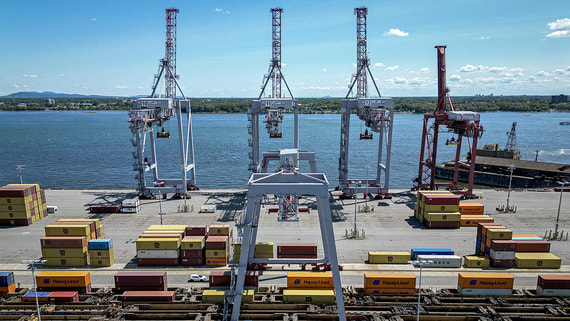
Russia currently operates dozens of special economic zones across the country, with varying specializations from industrial production to tourism and port activities. The decision to extend SEZ status to entire regions rather than specific industrial clusters represents an unprecedented approach in Russian economic policy, reflecting the extraordinary circumstances facing these border territories.
Economic Challenges in Border Regions
The three regions covered by this expansion have faced mounting economic pressures since 2022. Belgorod Oblast, in particular, has experienced frequent security incidents that have disrupted normal business operations and deterred investment. Kursk Oblast has similarly dealt with cross-border tensions that have affected everything from agricultural production to retail commerce. Bryansk Oblast, while somewhat further from the most active conflict zones, has nonetheless seen economic activity impacted by the broader regional instability.
Local businesses in these areas have reported difficulties ranging from supply chain disruptions to workforce displacement, insurance complications, and reduced consumer spending. Agricultural enterprises, which form a significant portion of the regional economies, have faced particular challenges in conducting normal planting and harvesting operations in some areas. The manufacturing sector has also struggled with logistics complications and reduced access to certain markets.
Expected Impact and Implementation
Analysts suggest that the expanded SEZ regime could provide meaningful relief to struggling businesses in these regions. The tax incentives alone could free up capital for companies to invest in security measures, relocate operations within the region, or simply maintain employment levels during a difficult period. The simplified regulatory environment may also help businesses adapt more quickly to changing circumstances without being burdened by extensive bureaucratic requirements.
However, some economists caution that tax incentives alone may not be sufficient to address the fundamental challenges facing businesses in active conflict zones. Questions remain about how the practical implementation will work, including which specific benefits will apply and how businesses can qualify for the various incentive programs. The government has not yet released detailed guidelines on the application process or the full scope of benefits available under the expanded regime.
Broader Implications for Regional Policy
This decision also raises questions about whether similar measures might be extended to other regions facing economic difficulties related to the conflict. The precedent of applying SEZ status to entire regions rather than specific zones could potentially be replicated elsewhere if deemed successful. Regional governors and business associations in other areas have been watching the announcement closely, as it may influence their own advocacy efforts for additional economic support measures.
The expansion of special economic zone benefits to these three border regions represents part of a broader pattern of federal support measures aimed at maintaining economic stability in areas most directly affected by the ongoing military operations. Previous measures have included direct financial assistance, infrastructure investments, and various social support programs for affected populations.
Expert Opinion: The blanket application of SEZ status to entire border regions marks a tactical pivot in Russian economic crisis management, prioritizing broad stabilization over targeted development. While this approach may provide short-term relief and signal federal commitment to these areas, its long-term effectiveness will ultimately depend on security conditions and the government’s ability to translate tax incentives into genuine business confidence and sustained investment.