


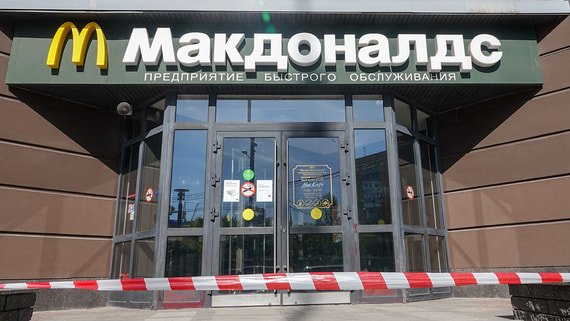
As geopolitical tensions continue to reshape the global economic landscape, Russia has implemented stringent measures to control the flow of foreign capital and business interests within its borders. The restrictions on foreign companies seeking to re-enter the Russian market represent a calculated response to the unprecedented wave of Western sanctions and corporate exodus that followed the escalation of the Ukraine conflict in 2022. These policies, often described metaphorically as a “remedy for drafts” — preventing unwanted flows in either direction — have fundamentally altered the investment climate and raised significant questions about the future of international business relations with Russia.
The Russian government’s approach to managing foreign business departures and potential returns has evolved considerably since the initial wave of sanctions. When hundreds of Western companies announced their withdrawal from Russia in early 2022, Moscow responded by creating a complex regulatory framework designed to protect domestic economic interests and prevent what authorities characterized as predatory asset sales. This framework includes mandatory government approval for transactions involving assets from “unfriendly” countries, significant discounts on sale prices, and substantial exit fees that can reach up to 15% of the transaction value.
The Regulatory Framework Behind Market Restrictions
The mechanisms controlling foreign company exits and potential re-entries operate through Russia’s Government Commission for Control over Foreign Investments. This body reviews all proposed transactions involving entities from countries that have imposed sanctions on Russia, a list that includes the United States, European Union member states, the United Kingdom, Japan, and numerous other Western nations. The commission’s approval process has become increasingly rigorous, with authorities scrutinizing not only the financial terms of proposed deals but also the strategic implications for Russian economic sovereignty. Companies seeking to sell their Russian assets must typically accept prices significantly below market value, with mandatory discounts often ranging from 50% or more compared to pre-conflict valuations.
Beyond the immediate financial penalties, Russia has introduced provisions that effectively create barriers to future market re-entry. These include contractual clauses preventing former owners from repurchasing assets for extended periods, requirements for new Russian owners to maintain employment levels and operational continuity, and restrictions on the repatriation of sale proceeds. Some analysts suggest these measures serve a dual purpose: they discourage hasty departures while simultaneously ensuring that any future return would require navigating a complex web of regulatory hurdles and potential legal challenges related to previously abandoned assets.
Economic Implications and Strategic Considerations
The economic rationale behind these restrictions extends beyond mere retaliation for Western sanctions. Russian policymakers have articulated a vision of greater economic self-sufficiency, viewing the departure of foreign companies as an opportunity to develop domestic industries and reduce dependency on Western technology and expertise. This import substitution strategy has seen varying degrees of success across different sectors, with some industries adapting more readily than others to the absence of foreign partners. The automotive, technology, and consumer goods sectors have faced particular challenges, while energy and commodity industries have demonstrated greater resilience due to continued demand from non-Western markets.
For foreign companies contemplating a potential return to Russia, the landscape presents formidable obstacles. Beyond the regulatory barriers, there are significant reputational considerations, as companies must weigh potential backlash from Western consumers and shareholders against the commercial opportunities in the Russian market. Legal complexities surrounding previously abandoned assets, questions of intellectual property rights, and the ongoing uncertainty about the duration and scope of international sanctions further complicate any re-entry calculations. Industry experts suggest that meaningful normalization of foreign business presence in Russia would likely require not only a resolution of the underlying geopolitical conflict but also extensive negotiations over the treatment of assets transferred during the exodus period.
Looking Ahead: The Future of Foreign Investment
The restrictions on foreign market re-entry reflect broader trends in the global economy toward regionalization and the fragmentation of previously integrated markets. Russia’s approach shares certain characteristics with policies implemented by other nations seeking to protect strategic industries and maintain economic leverage during periods of international tension. However, the scale and comprehensiveness of Russia’s measures remain distinctive, effectively creating a semi-closed economic system that operates increasingly independently of Western financial and commercial networks. As this situation continues, both Russian authorities and foreign companies face difficult decisions about long-term strategic positioning in an uncertain global economic environment.
Expert Opinion: The current restrictions represent a fundamental restructuring of Russia’s relationship with Western capital rather than a temporary measure. Companies that departed the Russian market should anticipate that any future return, even in a post-conflict scenario, would involve protracted negotiations, potential legal disputes over asset transfers, and significantly altered market conditions. The precedent being established suggests that foreign investment in geopolitically sensitive markets will increasingly carry exit risk premiums that were previously underappreciated by international businesses.