

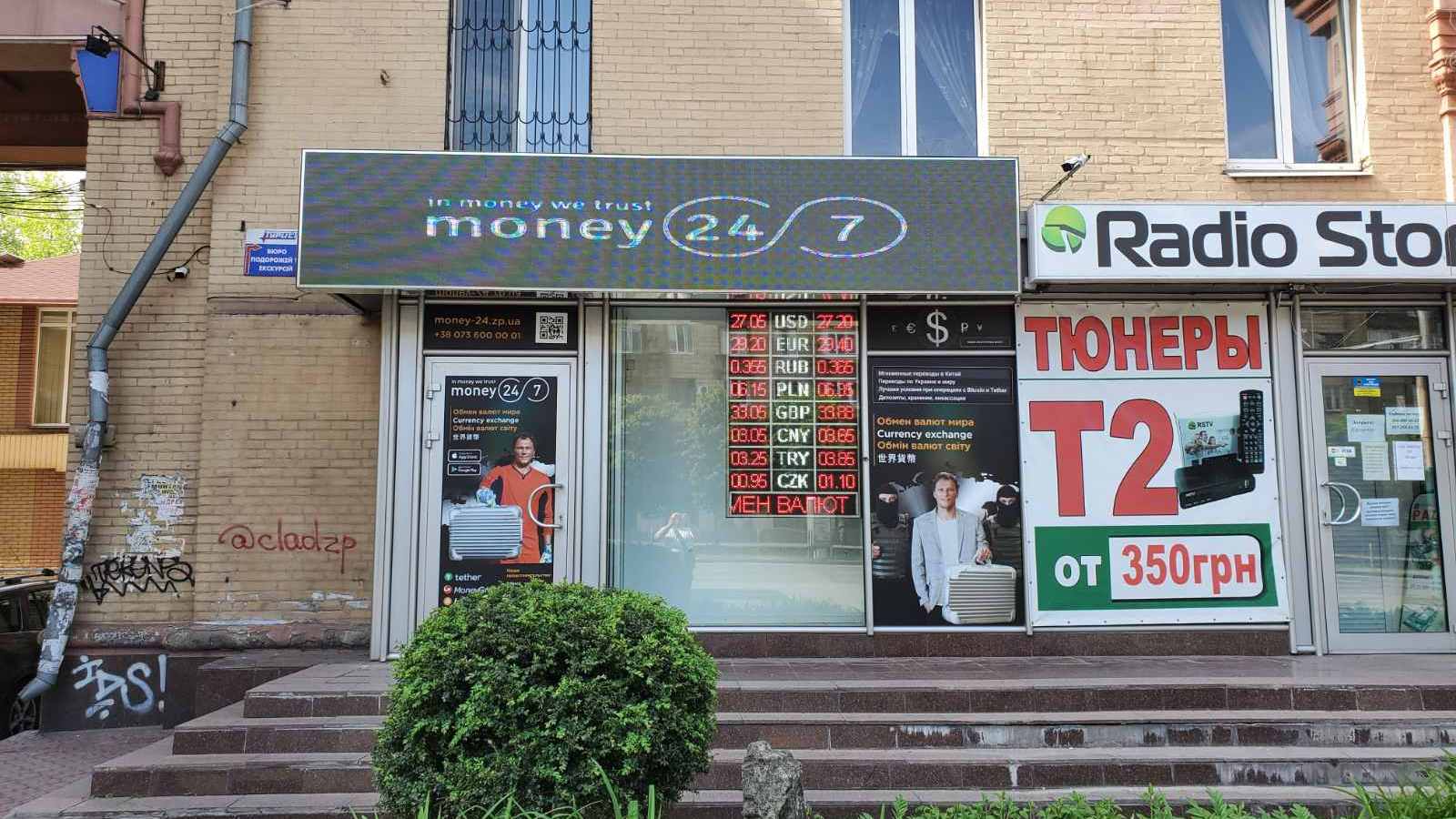
The National Bank of Ukraine (NBU) has officially prohibited the operations of Money 24/7, a group of interconnected companies that had been conducting currency exchange and money transfer services without the required financial licenses. This decisive regulatory action underscores the central bank’s ongoing commitment to maintaining order in Ukraine’s financial sector and protecting consumers from potentially risky unlicensed financial operations.
The banned network reportedly engaged in foreign currency exchange activities and facilitated monetary transfers across the country, all while lacking the proper authorization from Ukrainian financial regulators. Such operations without appropriate licensing represent a serious violation of Ukrainian financial law, which requires all entities involved in currency exchange and money transfer services to obtain specific permits and operate under the supervision of the central bank.
Regulatory Framework and Legal Implications
Under Ukrainian legislation, all financial service providers must obtain licenses from the National Bank of Ukraine before commencing operations. This licensing requirement exists to ensure that companies maintain adequate capital reserves, implement proper anti-money laundering procedures, and adhere to consumer protection standards. Companies operating without these licenses expose customers to significant risks, including potential loss of funds, lack of legal recourse in disputes, and possible involvement in money laundering schemes. The NBU has the authority to shut down unlicensed operators and can refer cases to law enforcement agencies for criminal prosecution when warranted.
The crackdown on Money 24/7 is part of a broader effort by Ukrainian authorities to clean up the financial services sector, which has historically faced challenges with shadow economy operations. Unlicensed currency exchange points and informal money transfer networks have long operated in Ukraine, often offering slightly better exchange rates than official channels but without any consumer protections or regulatory oversight. These shadow operations are estimated to handle billions of hryvnias annually, representing a significant drain on the formal economy and tax revenues.
Impact on Ukraine’s Financial Sector Stability
The enforcement action comes at a particularly critical time for Ukraine’s financial system, which has faced unprecedented challenges since the beginning of the full-scale invasion in 2022. The NBU has worked diligently to maintain financial stability, implementing various measures including currency controls and enhanced monitoring of financial transactions. Eliminating unlicensed operators is crucial to these efforts, as such entities can undermine official exchange rate policies and potentially facilitate capital flight or sanctions evasion. The central bank has significantly increased its oversight activities in recent years, conducting regular inspections and utilizing digital monitoring tools to identify suspicious financial activities.
Financial experts note that the presence of unlicensed money service businesses creates unfair competition for legitimate operators who invest significant resources in compliance, security, and regulatory reporting. Licensed currency exchange offices and banks must adhere to strict know-your-customer requirements, maintain detailed transaction records, and report suspicious activities to financial intelligence units. Unlicensed operators typically circumvent all these requirements, allowing them to offer lower fees or better rates while potentially facilitating illegal financial flows.
Consumer Protection and Public Awareness
The NBU has urged citizens to verify that any financial service provider they use holds valid licenses, which can be checked through the central bank’s official registry. Consumers who conduct transactions through unlicensed operators have no legal protection if something goes wrong, and they may unknowingly become participants in illegal financial schemes. The regulator continues to maintain a public database of licensed financial institutions and regularly updates its list of entities prohibited from operating in Ukraine’s financial market. This transparency initiative aims to empower consumers to make informed decisions and avoid falling victim to fraudulent or illegal financial services.
Expert Opinion: This enforcement action signals the NBU’s determination to maintain regulatory discipline despite ongoing wartime challenges. Financial analysts expect continued crackdowns on unlicensed operators as Ukraine aligns its financial regulatory framework with European Union standards in anticipation of eventual EU membership. The long-term effect will likely be a more transparent and stable financial services market, though short-term disruptions may affect consumers who relied on informal exchange networks.