




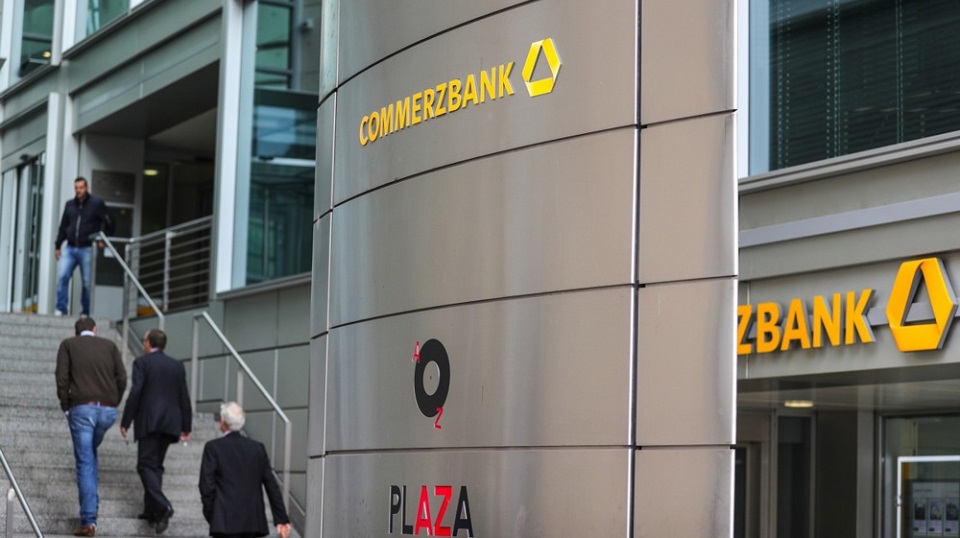
The German government has reportedly abandoned its efforts to block the acquisition of Commerzbank, the country’s third-largest bank, by Italian banking giant UniCredit. According to Bloomberg, Berlin has shifted from outright opposition to a more pragmatic approach, focusing instead on negotiating specific conditions and guarantees to protect German interests in what would become one of Europe’s most significant cross-border banking mergers in recent history.
A Strategic Shift in German Banking Policy
The decision marks a dramatic reversal for the German government, which had previously expressed strong reservations about allowing a major domestic financial institution to fall under foreign control. For months, officials in Berlin had signaled their preference for Commerzbank to remain in German hands, citing concerns about job security, the bank’s role in financing the German Mittelstand (small and medium-sized enterprises), and broader questions of financial sovereignty. However, facing limited legal options to prevent the takeover and growing pressure from shareholders who see value in the merger, the government appears to have concluded that negotiating favorable terms represents the most realistic path forward.
UniCredit, headquartered in Milan, has been steadily building its stake in Commerzbank over the past year, surprising markets and German regulators with the speed and determination of its approach. The Italian bank, led by CEO Andrea Orcel, views the German market as a critical component of its pan-European expansion strategy. UniCredit already has a significant presence in Germany through its HypoVereinsbank subsidiary, and combining these operations with Commerzbank would create a formidable force in Europe’s largest economy.
Historical Context and Economic Implications
The potential merger carries enormous symbolic weight in the context of European banking integration. For decades, EU policymakers have advocated for the creation of truly pan-European banks capable of competing with American and Asian financial giants. However, national governments have consistently resisted cross-border consolidation, preferring to protect domestic champions even at the cost of efficiency and competitiveness. Germany, in particular, has been notably protective of its banking sector, which remains fragmented compared to other major economies. Commerzbank itself was partially nationalized during the 2008 financial crisis, with the German government still holding approximately 12% of the bank’s shares—a stake that gave Berlin both financial exposure and political leverage in any merger discussions.
The conditions Germany is reportedly preparing to demand include commitments on maintaining employment levels, preserving Commerzbank’s headquarters in Frankfurt, and ensuring continued lending support for German businesses. Officials are also expected to seek guarantees regarding the bank’s involvement in government bond markets and its role in critical financial infrastructure. These requirements reflect lessons learned from previous cross-border acquisitions in other industries, where promised investments and job protections sometimes failed to materialize after deals closed.
Market Reactions and Future Outlook
Financial markets have generally responded positively to signals that the deal may proceed, with Commerzbank shares reflecting takeover premium expectations. Analysts note that consolidation in European banking has long been overdue, with the sector suffering from overcapacity, thin margins, and intense competition from both traditional rivals and fintech disruptors. A combined UniCredit-Commerzbank entity would rank among Europe’s largest banks by assets and could potentially achieve significant cost savings through the elimination of duplicate operations and technology investments.
However, challenges remain significant. Integrating two major banks with different corporate cultures, technology systems, and regulatory requirements is notoriously difficult. Previous European banking mergers have produced mixed results, with some failing to deliver promised synergies. Labor unions in Germany have already voiced concerns about potential job losses, and political opposition could intensify as details of any agreement become public. The outcome of ongoing negotiations will likely set important precedents for future cross-border consolidation in the European financial sector.
Expert Opinion: This development signals a potential watershed moment for European banking integration, as Germany—traditionally the most protective of national banking champions—appears ready to accept cross-border consolidation under negotiated terms. The success or failure of this merger, and Berlin’s ability to enforce its conditions, will likely determine whether other European governments follow suit or double down on financial nationalism. Expect prolonged negotiations over the coming months, with final terms heavily influenced by upcoming German political developments and broader EU regulatory considerations.