


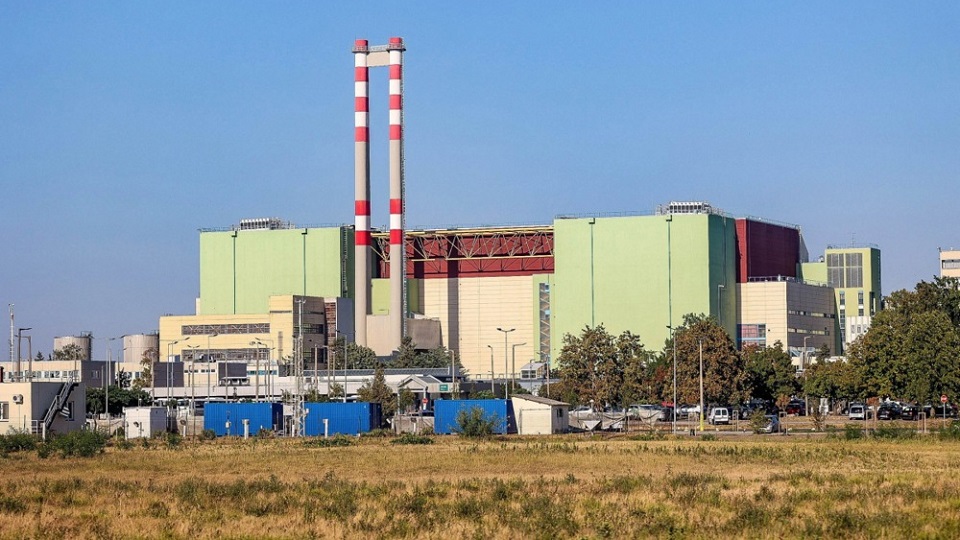
Hungary’s sole nuclear power facility, the Paks Nuclear Power Plant, has successfully restored three of its four reactors to full operational capacity following a challenging period caused by significantly reduced water levels in the Danube River. The fourth reactor is currently being reconnected to the grid according to schedule, marking a positive development for the country’s energy security. This recovery comes as a relief to Hungarian energy officials who have been closely monitoring the situation as the nation relies heavily on nuclear power for its electricity generation needs.
The Paks facility, located approximately 100 kilometers south of Budapest along the banks of the Danube, provides roughly half of Hungary’s total electricity production. The plant’s operations are intrinsically linked to the river, which serves as the primary cooling water source for the reactors. When water levels in the Danube dropped to critically low levels due to prolonged drought conditions affecting Central Europe, operators were forced to reduce output to ensure safe operations and prevent potential overheating of the reactor systems.
The Critical Role of Water in Nuclear Power Generation
Nuclear power plants require enormous quantities of water for cooling purposes, making their location near major water bodies essential. The Paks plant, like many nuclear facilities worldwide, uses a once-through cooling system that draws water from the Danube, passes it through heat exchangers to absorb thermal energy from the reactor systems, and then returns the slightly warmed water to the river. When water levels fall below certain thresholds, the intake systems cannot function properly, and environmental regulations also limit how warm the discharged water can be relative to the already reduced river flow.
The situation at Paks reflects a broader challenge facing nuclear power plants across Europe and globally as climate change intensifies drought conditions and affects river levels. Similar issues have impacted French nuclear facilities along the Rhône and Garonne rivers in recent years, forcing temporary power reductions during summer heat waves. Energy analysts have noted that these climate-related vulnerabilities highlight the need for power plants to develop adaptive strategies and potentially invest in alternative cooling technologies.
Hungary’s Energy Security and Nuclear Dependence
Hungary’s reliance on the Paks plant underscores the strategic importance of nuclear energy to the nation’s energy mix. The facility houses four Soviet-designed VVER-440 pressurized water reactors, which first came online between 1982 and 1987. Despite their age, these units have undergone significant modernization and life-extension programs, with operating licenses extended to allow continued operation through the 2030s. The Hungarian government has also approved plans for Paks II, an expansion project that would add two new Russian-designed reactors to the site, though this project has faced delays and international scrutiny.
The restoration of power generation capacity comes at a crucial time as European energy markets remain volatile following years of supply disruptions and geopolitical tensions. Hungary’s position as a landlocked nation with limited domestic fossil fuel resources makes reliable nuclear power generation particularly valuable. Industry experts estimate that even partial reductions at Paks can lead to increased electricity imports and higher costs for Hungarian consumers and businesses, making the current recovery economically significant beyond just meeting domestic demand.
Looking Ahead: Climate Adaptation and Energy Planning
The incident at Paks serves as a reminder that even low-carbon energy sources face challenges from changing climate conditions. Hungarian energy authorities are reportedly examining long-term solutions to reduce the plant’s vulnerability to future drought conditions, including potential upgrades to cooling systems and enhanced monitoring of Danube water levels. As the fourth reactor continues its scheduled reconnection process, officials remain cautiously optimistic that full capacity will be restored in the coming days, returning the facility to its crucial role as the backbone of Hungary’s electricity supply system.
Expert Opinion: The Paks situation exemplifies a growing paradox in clean energy planning: nuclear power offers reliable, low-carbon electricity but remains vulnerable to the very climate changes it helps mitigate. Energy planners across Europe should anticipate more frequent water-related disruptions to thermal power generation and invest in cooling system resilience. Hungary’s experience may accelerate discussions about diversifying cooling water sources and implementing closed-loop systems that reduce dependence on river conditions.