

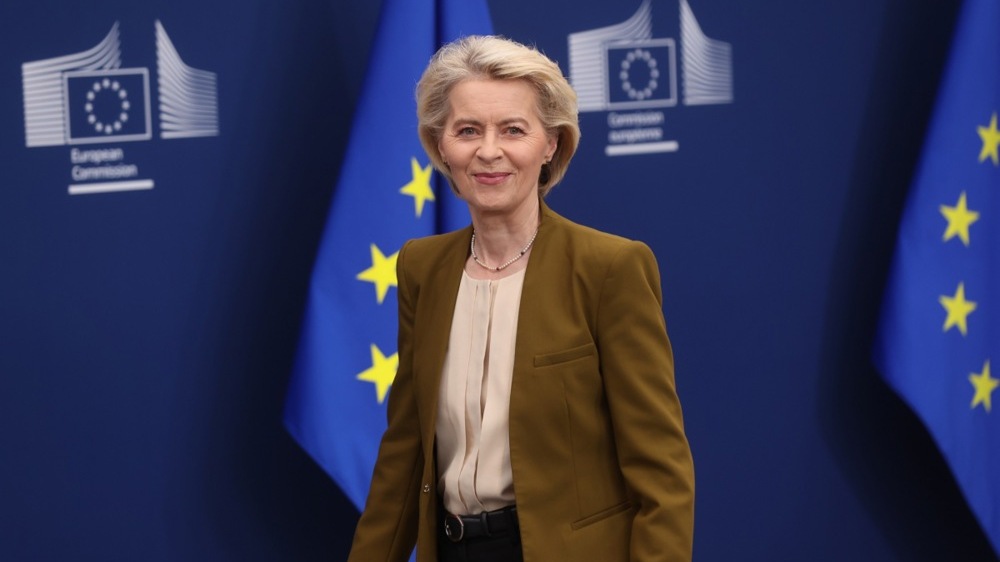
The European Union has announced a significant financial commitment to Ukraine’s defense capabilities, allocating 6.1 billion euros specifically designated for the procurement of air defense systems. This substantial funding package comes as Ukraine continues to face persistent aerial threats and missile attacks that have devastated civilian infrastructure and military installations across the country. The allocation represents one of the largest single-purpose defense funding packages the EU has provided to Kyiv since the conflict began.
The funding is part of the broader Ukraine Support Loan (UASL), an ambitious 90 billion euro credit facility that the European Union established to provide comprehensive assistance to Ukraine across multiple sectors. This massive financial mechanism demonstrates the bloc’s long-term commitment to supporting Ukrainian sovereignty and helping the nation defend itself against ongoing military aggression. The decision to earmark such a substantial portion specifically for air defense underscores the critical importance of protecting Ukrainian airspace and civilian populations from aerial bombardment.
Strategic Importance of Air Defense Systems
Air defense has emerged as one of the most crucial elements of Ukraine’s military strategy since the escalation of hostilities. The country has faced thousands of missile and drone attacks targeting both military installations and civilian infrastructure, including power plants, residential buildings, and critical transportation networks. Modern air defense systems such as the American-made Patriot batteries, German IRIS-T systems, and various European-produced interceptors have proven essential in protecting Ukrainian cities and maintaining the country’s ability to function during wartime conditions.
Military analysts have consistently emphasized that robust air defense capabilities are fundamental to Ukraine’s overall defensive posture. Without adequate protection from aerial threats, ground operations become significantly more dangerous, and civilian morale suffers as populations remain vulnerable to bombardment. The EU’s dedicated funding for this purpose reflects a sophisticated understanding of modern warfare requirements and the specific challenges Ukraine faces in defending its territory.
EU Financial Support Framework
The 90 billion euro Ukraine Support Loan represents an unprecedented financial commitment from the European Union to a non-member state. This credit facility has been structured to provide flexible funding across multiple domains, including military assistance, economic stabilization, humanitarian aid, and infrastructure reconstruction. The loan mechanism allows Ukraine to access substantial resources while spreading repayment obligations over an extended period, reducing immediate financial pressure on the Ukrainian government’s strained wartime budget.
European officials have emphasized that this financial support is designed to complement military assistance from individual member states and other international partners, particularly the United States and the United Kingdom. The collective approach demonstrates Western unity in supporting Ukraine and sends a clear signal about long-term commitment to Ukrainian security. The allocation process has involved extensive consultations with Ukrainian defense officials to ensure that funding priorities align with the most pressing operational needs on the ground.
Historical Context and Future Implications
The EU’s substantial investment in Ukrainian air defense represents a significant evolution in European security policy. Historically, the European Union has focused primarily on diplomatic and economic instruments, with defense matters largely delegated to NATO and individual member states. However, the ongoing conflict has catalyzed a transformation in European thinking about collective security and the bloc’s role in supporting partners facing military threats. This shift has manifested in unprecedented defense funding mechanisms and closer coordination on military assistance.
Looking ahead, defense experts anticipate that continued investment in air defense will remain a priority for Ukraine’s international supporters. The threat environment continues to evolve, with adversaries developing new attack vectors including more sophisticated drones and hypersonic missiles. This 6.1 billion euro allocation will enable Ukraine to acquire advanced systems capable of addressing these emerging threats while also expanding coverage across the country’s vast territory. The funding also supports training programs and maintenance infrastructure necessary to operate these sophisticated weapons systems effectively over the long term.
Expert Opinion: This dedicated air defense funding marks a pivotal shift in EU security policy, signaling that Brussels now views Ukraine’s defense as integral to European stability. Analysts expect this investment to significantly reduce civilian casualties and infrastructure damage while establishing a framework for continued long-term Western military support regardless of political transitions in member states.