

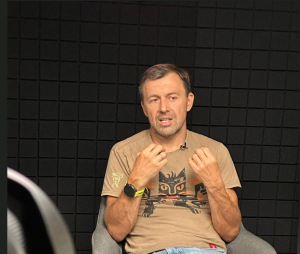

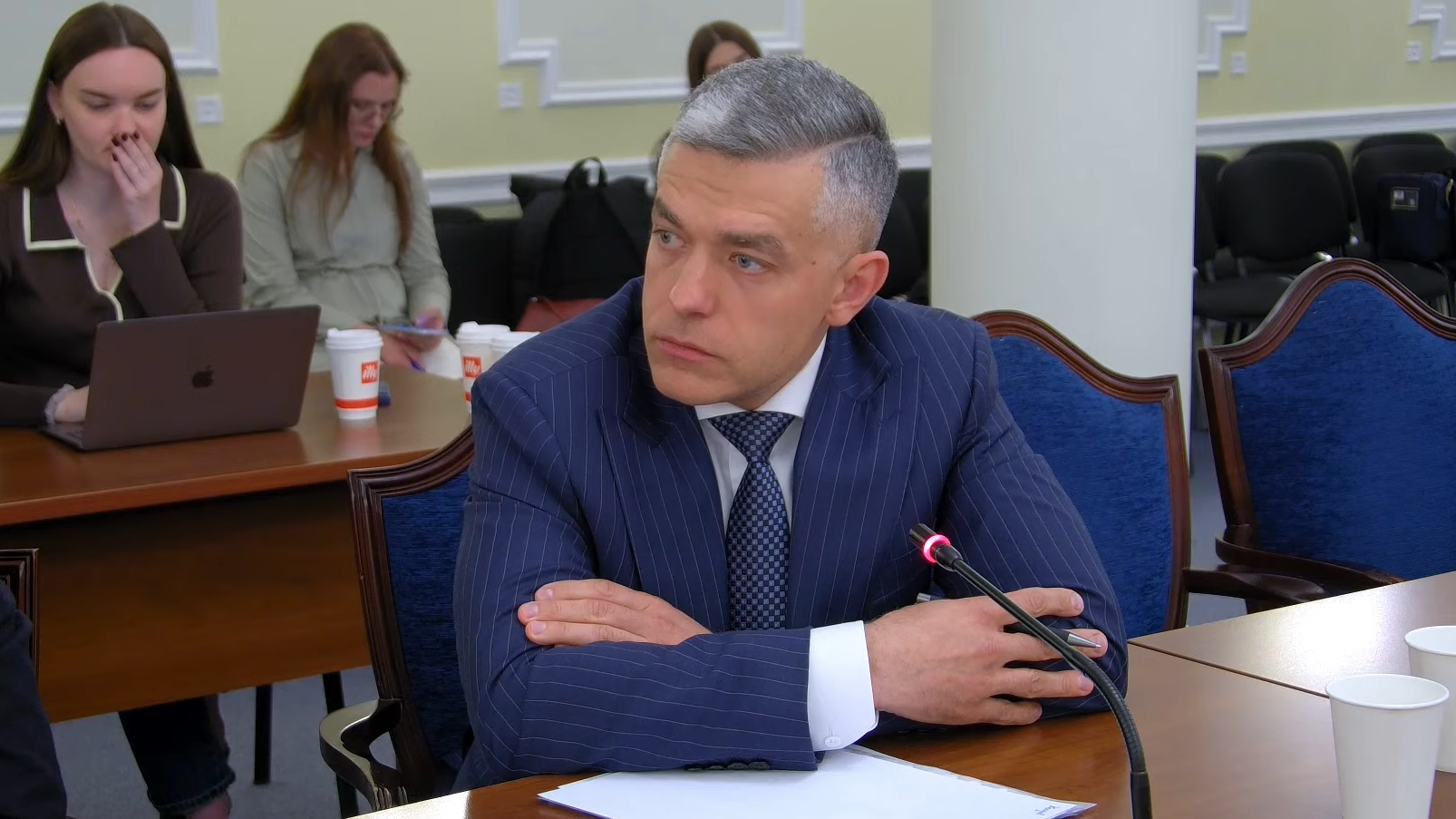
The National Bank of Ukraine (NBU) has taken decisive regulatory action against Sense Bank, ordering the dismissal of the chairman of its supervisory board following a new wave of controversy surrounding the financial institution. NBU Governor Andriy Pyshnyi has responded to the escalating situation by announcing that a new administrative case has been initiated against the bank, marking another chapter in the troubled history of this formerly Russian-owned institution operating in Ukraine.
The decision represents a significant intervention by Ukraine’s central banking authority into the governance structure of one of the country’s major retail banks. The move comes as part of the NBU’s ongoing efforts to ensure stability and proper oversight within the Ukrainian banking sector, particularly regarding institutions with complex ownership histories and governance challenges.
Background on Sense Bank and Its Controversial History
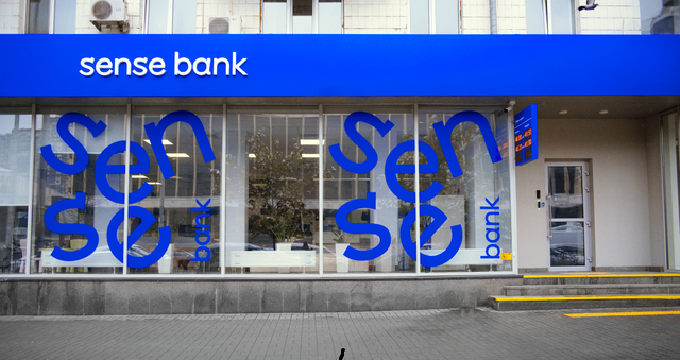
Sense Bank, formerly known as Alfa-Bank Ukraine, has been at the center of numerous controversies since Russia’s full-scale invasion of Ukraine began in February 2022. The bank was originally part of the Alfa Banking Group, which had significant Russian ownership ties. Following the invasion and subsequent international sanctions, Ukrainian authorities moved to nationalize the institution to prevent Russian influence over critical financial infrastructure and protect Ukrainian depositors.
The nationalization process transferred ownership of the bank to Ukrainian state control, with the institution subsequently rebranded as Sense Bank to distance itself from its Russian origins. Despite these changes, the bank has continued to face scrutiny regarding its management practices, corporate governance, and compliance with Ukrainian banking regulations. The institution serves millions of Ukrainian customers and holds substantial deposits, making its stability a matter of national economic importance.
Regulatory Response and Administrative Proceedings
Governor Pyshnyi’s announcement of a new administrative case signals the NBU’s determination to address persistent governance issues at the institution. The central bank has broad regulatory powers to intervene in the operations of Ukrainian financial institutions, including the authority to mandate changes in leadership when banks fail to meet regulatory standards or when management actions threaten depositor interests or financial stability.
Administrative proceedings against financial institutions in Ukraine can result in various penalties, ranging from fines to license revocations in severe cases. The NBU has been particularly vigilant in recent years, strengthening its oversight mechanisms as part of broader financial sector reforms encouraged by international partners, including the International Monetary Fund and European Union institutions. These reforms are considered essential for Ukraine’s path toward European integration and for maintaining confidence in the country’s financial system during wartime conditions.
Implications for Ukraine’s Banking Sector
The situation at Sense Bank reflects broader challenges facing Ukraine’s banking sector as it navigates unprecedented wartime pressures while simultaneously implementing European-standard regulatory frameworks. The NBU has worked to consolidate and strengthen the banking sector over the past decade, reducing the number of operating banks while improving the capitalization and governance standards of remaining institutions.
Industry analysts note that strong regulatory action, while potentially disruptive in the short term, ultimately serves to reinforce market confidence in Ukrainian financial institutions. The willingness of the central bank to intervene decisively in governance matters demonstrates the independence and authority of Ukraine’s banking regulator, characteristics that international partners have consistently emphasized as essential for economic stability and foreign investment attraction.
For depositors and customers of Sense Bank, the NBU has historically emphasized that regulatory interventions are designed to protect their interests rather than threaten them. Ukraine’s deposit guarantee system provides protection for individual deposits up to certain limits, and the central bank maintains various mechanisms to ensure continuity of banking services even during periods of institutional restructuring or leadership changes.
Expert Opinion: The NBU’s decisive action against Sense Bank’s leadership demonstrates Ukraine’s commitment to maintaining strict banking governance standards even amid wartime pressures. This intervention likely signals continued regulatory scrutiny of former Russian-linked financial institutions and suggests the central bank will not hesitate to enforce compliance regardless of institutional size. Market observers should expect further consolidation efforts in Ukraine’s banking sector as authorities work to align domestic standards with EU requirements ahead of potential accession negotiations.