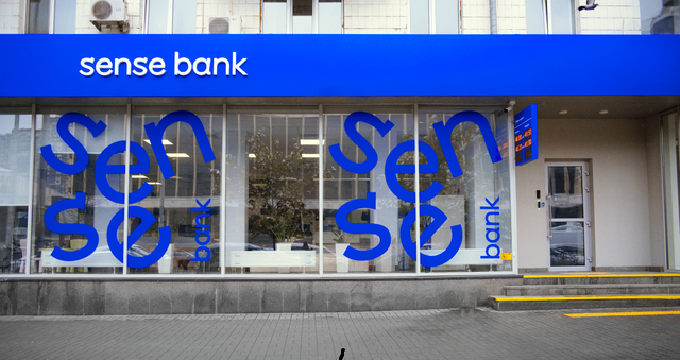


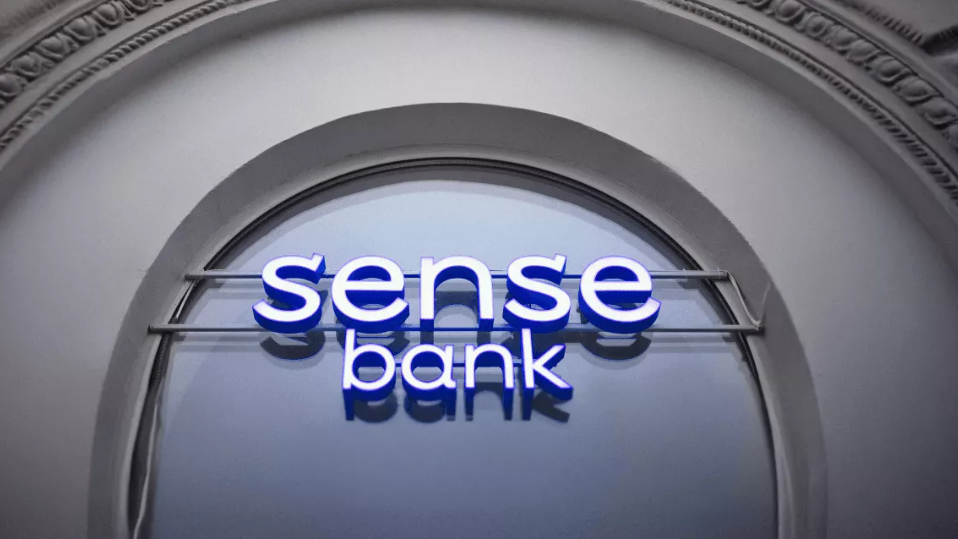
Sense Bank, one of Ukraine’s prominent financial institutions, has officially confirmed that law enforcement authorities conducted searches at its premises as part of an investigation led by the National Anti-Corruption Bureau of Ukraine (NABU). The bank, which has been operating under enhanced supervision by the National Bank of Ukraine (NBU), declined to provide any further comments regarding the nature of the investigation or the specific allegations being examined. The raids signal a significant escalation in efforts to combat financial crimes within Ukraine’s banking sector during a particularly challenging period for the nation’s economy.
The investigation centers on allegations that the bank may have been used as a conduit for money laundering operations. While specific details remain confidential pending the ongoing investigation, the involvement of NABU—Ukraine’s primary anti-corruption enforcement agency—suggests that the case may involve substantial sums and potentially high-profile individuals. Money laundering investigations of this magnitude typically require months of preliminary work, including analysis of transaction patterns, beneficial ownership structures, and cross-border fund movements.
Background on Sense Bank and Enhanced Supervision
Sense Bank, formerly known as Alfa-Bank Ukraine, underwent a significant transformation following Russia’s full-scale invasion of Ukraine in February 2022. The bank was nationalized and rebranded as part of Ukraine’s efforts to sever financial ties with Russian-linked entities and ensure the stability of the domestic banking system. The institution serves millions of Ukrainian customers and manages substantial assets, making its operational integrity crucial for the broader financial system.
The National Bank of Ukraine placed Sense Bank under enhanced supervision, a regulatory status that typically involves more frequent reporting requirements, closer monitoring of financial transactions, and stricter compliance obligations. This supervisory status is often applied to institutions that face elevated risks or are undergoing significant structural changes. The enhanced oversight framework was designed to ensure that the bank maintained adequate capital reserves, followed anti-money laundering protocols, and operated within regulatory guidelines during its transitional period.
NABU’s Role in Fighting Financial Crime
The National Anti-Corruption Bureau of Ukraine was established in 2015 as part of sweeping reforms demanded by international partners, including the European Union and the International Monetary Fund. NABU operates independently from the government and focuses specifically on investigating corruption cases involving public officials and high-value financial crimes. The bureau has prosecuted numerous high-profile cases since its inception, including those involving government ministers, judges, and prominent business figures.
Financial sector investigations represent a significant portion of NABU’s workload, as banks and other financial institutions can serve as critical infrastructure for both legitimate economic activity and illicit financial flows. Ukraine has faced persistent challenges with money laundering and corruption, issues that have become even more pressing as the country seeks closer integration with the European Union. The ongoing investigation into Sense Bank demonstrates that Ukrainian authorities continue to prioritize financial transparency and accountability, even amid the extraordinary pressures of wartime governance.
Implications for Ukraine’s Financial Sector
The investigation into Sense Bank carries significant implications for Ukraine’s broader financial sector and its international reputation. As the country works toward EU membership and continues to receive substantial financial support from Western allies, demonstrating robust anti-corruption enforcement has become essential. International partners have repeatedly emphasized that continued assistance depends partly on Ukraine’s commitment to fighting corruption and ensuring transparent governance of public and private institutions.
Banking sector experts note that enhanced regulatory scrutiny and enforcement actions, while potentially disruptive in the short term, ultimately strengthen public confidence in financial institutions. The willingness of Ukrainian authorities to investigate major banks signals a commitment to the rule of law that may reassure both domestic depositors and international investors. As the investigation proceeds, market observers will be watching closely for any indications of systemic vulnerabilities or compliance failures that might require broader regulatory responses.
Expert Opinion: The NABU investigation into Sense Bank represents a critical test of Ukraine’s anti-corruption infrastructure during wartime conditions. If authorities can successfully prosecute financial crimes at major institutions while maintaining banking sector stability, it will significantly bolster Ukraine’s credibility with EU accession evaluators and international donors. The outcome of this case may establish important precedents for how Ukraine handles similar investigations in the post-war reconstruction period, when financial oversight will be even more crucial.