

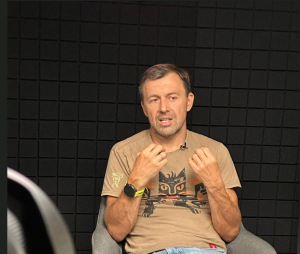


Ukraine’s National Bank has secured a significant legal victory against Vitaliy Kropachev, the owner of FC Finuniversal and a prominent figure in the country’s coal industry. The court ruling has officially confirmed that Kropachev’s business reputation falls short of the standards required for conducting financial operations in Ukraine, marking a major setback for the businessman’s banking sector ambitions. This decision represents a continuation of the National Bank of Ukraine’s efforts to strengthen oversight and transparency within the country’s financial system.
The verdict comes amid ongoing efforts by Ukrainian financial regulators to clean up the banking sector and ensure that only individuals with impeccable business credentials are permitted to control financial institutions. The National Bank of Ukraine has been particularly vigilant in scrutinizing the backgrounds of business figures seeking to expand their influence in the financial sector, especially those whose primary wealth derives from industries that have historically been associated with opacity and controversial business practices.
Background on Kropachev’s Business Empire
Vitaliy Kropachev emerged as a significant player in Ukraine’s coal industry during a period of substantial restructuring in the energy sector. His business interests span multiple sectors, with coal mining and energy production forming the cornerstone of his commercial empire. The coal industry in Ukraine has long been a complex arena where political connections, regional interests, and substantial financial stakes intersect. Kropachev’s rise in this sector coincided with various ownership changes and consolidations that characterized Ukraine’s post-Soviet economic transformation.
FC Finuniversal, the financial company at the center of this legal dispute, represents Kropachev’s attempt to diversify his business holdings into the banking and financial services sector. Such diversification is common among Ukrainian oligarchs and major businessmen who seek to leverage their industrial wealth into broader financial influence. However, the National Bank of Ukraine has increasingly scrutinized such moves, particularly when the individuals involved have backgrounds in sectors known for less-than-transparent business practices.
National Bank’s Regulatory Crackdown
The National Bank of Ukraine has undertaken an extensive campaign to reform the country’s banking sector since 2014, following a period of systemic crisis that saw dozens of banks fail due to fraud, mismanagement, and insider lending. Under this reform agenda, the central bank has implemented stricter requirements for bank ownership, including thorough vetting of potential owners’ business reputations, sources of wealth, and compliance history. The Kropachev case exemplifies the practical application of these heightened standards.
Regulators have emphasized that maintaining the integrity of the financial system requires excluding individuals whose past business conduct raises questions about their suitability to control depositor funds and participate in the broader financial infrastructure. The court’s confirmation of the National Bank’s assessment of Kropachev’s reputation signals that Ukrainian courts are willing to support regulatory decisions aimed at protecting the financial system’s stability, even when challenged by well-resourced business figures.
Implications for Ukraine’s Financial Sector
This ruling carries significant implications for Ukraine’s ongoing efforts to align its financial regulatory framework with European standards. As Ukraine pursues closer integration with the European Union, demonstrating that its regulatory institutions can effectively enforce standards and withstand legal challenges from powerful business interests becomes increasingly important. The successful defense of the National Bank’s position in court reinforces the credibility of Ukrainian financial oversight mechanisms.
For other business figures with similar ambitions in the financial sector, this case serves as a clear warning that regulatory scrutiny will be thorough and that court challenges to unfavorable regulatory decisions may prove unsuccessful. The coal industry, in particular, has faced ongoing questions about transparency and business practices, making participants in this sector likely to face heightened scrutiny when seeking entry into regulated financial services. Industry observers note that this ruling may prompt other businessmen to reconsider their strategies for entering the banking sector or to take proactive steps to address potential concerns about their business histories before attempting such moves.
Expert Opinion: This ruling signals a maturing Ukrainian regulatory environment where central bank decisions regarding fitness and propriety assessments can withstand judicial review. The precedent strengthens the National Bank’s hand in future cases and demonstrates that Ukraine’s financial sector gatekeeping mechanisms are becoming more robust, which should ultimately benefit depositor protection and systemic stability as the country continues its European integration path.