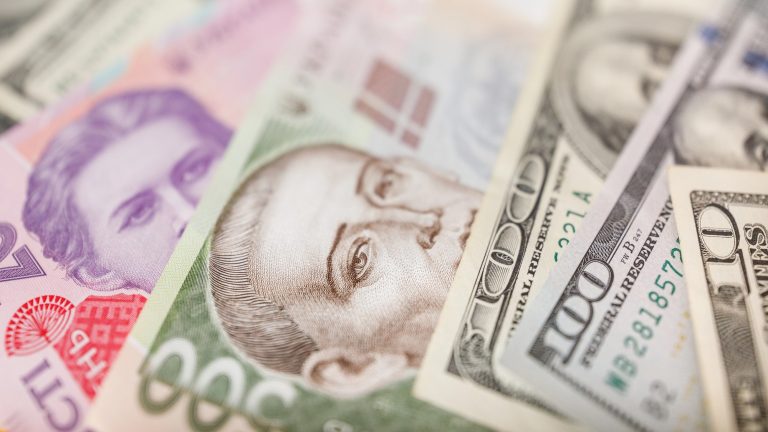


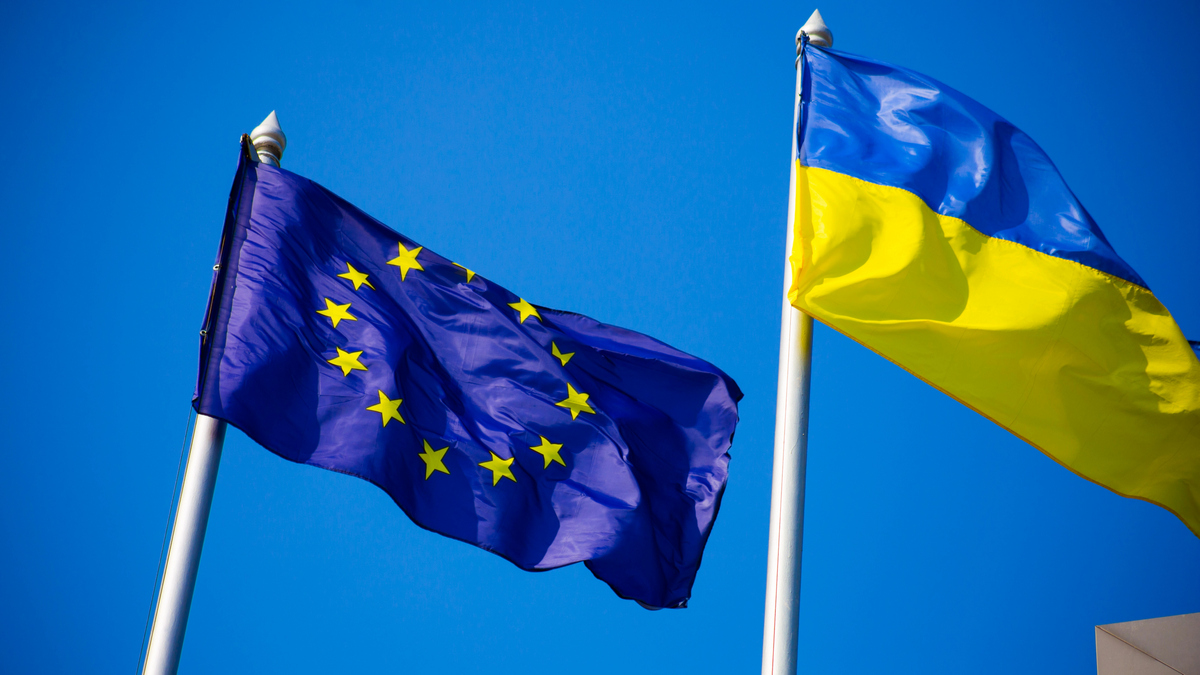
The European Commission has announced another significant financial transfer to support Ukraine in its ongoing defense efforts against Russian aggression. This latest tranche of €1.4 billion represents proceeds generated from frozen Russian central bank assets held within the European Union, marking a continuation of the bloc’s innovative approach to funding Ukrainian reconstruction and military needs without directly seizing sovereign assets.
The decision reflects the EU’s sustained commitment to supporting Kyiv through financial mechanisms that leverage the estimated €200 billion in Russian central bank reserves that were immobilized following Moscow’s full-scale invasion of Ukraine in February 2022. Rather than confiscating these funds outright—a move that raised significant legal concerns among member states—European officials devised a strategy to channel the windfall profits generated by these assets toward Ukraine’s defense and recovery.
Understanding the Frozen Asset Mechanism
The mechanism through which these funds flow to Ukraine is centered on Euroclear, the Belgium-based financial services company that holds the vast majority of immobilized Russian assets in Europe. As these frozen assets continue to generate interest and investment returns, those proceeds are being systematically redirected to support Ukraine. This approach was formalized through EU legislation adopted in 2024, which established a legal framework for utilizing these extraordinary profits while preserving the principal amounts in a potential future bargaining position.
Legal experts have noted that this arrangement represents a careful balancing act between supporting Ukraine and maintaining the integrity of international financial norms. By targeting only the revenues rather than the underlying assets, the EU has sought to minimize potential legal challenges while still creating a meaningful financial impact. The accumulated transfers have now reached several billion euros, providing crucial support for Ukraine’s military procurement and infrastructure repair efforts.
Strategic Implications for Ukraine and the West
This latest transfer comes at a critical juncture in the conflict, as Ukraine continues to require substantial external financing to maintain both its military operations and basic governmental functions. International financial institutions estimate that Ukraine’s reconstruction needs could eventually exceed $400 billion, making every available funding source essential. The frozen asset revenues represent a politically attractive option for Western governments, as they allow support for Ukraine without direct budget appropriations that might face domestic political opposition.
The initiative has also established an important precedent in international finance and diplomacy. While some critics have warned that weaponizing financial infrastructure could undermine global confidence in Western-dominated financial systems, supporters argue that allowing aggressor states to benefit from assets held in jurisdictions they have attacked would represent an even greater threat to international stability. The G7 nations have collectively endorsed similar mechanisms, with the United States and other partners exploring additional ways to leverage frozen Russian assets.
Future Outlook and Ongoing Challenges
Looking ahead, EU officials have indicated that additional transfers will follow as revenues continue to accumulate. Some member states have advocated for more aggressive approaches, including potential full confiscation of Russian state assets, though such proposals continue to face legal and diplomatic hurdles. The current mechanism is expected to generate several billion euros annually for Ukraine, providing a stable and predictable funding stream that complements direct military and humanitarian assistance from individual EU member states and other international partners.
The broader question of how these frozen assets might ultimately factor into any future peace negotiations remains open. Some diplomatic observers suggest that the principal funds could eventually serve as leverage in reconstruction discussions, while others believe the assets should be permanently redirected to compensate Ukraine for the devastation caused by Russian military operations. For now, the EU’s approach of channeling revenues while preserving the underlying assets provides maximum flexibility for future policy decisions while delivering immediate, tangible support to Ukraine’s defense efforts.
Expert Opinion: The EU’s systematic utilization of frozen Russian asset revenues represents a sophisticated evolution in economic statecraft that could reshape how democratic coalitions respond to future acts of aggression. While the current framework deliberately avoids outright confiscation to preserve legal defensibility, mounting reconstruction costs and prolonged conflict may eventually push Western governments toward more assertive measures. The precedent being established now will likely influence international financial governance and sanctions policy for decades to come.