




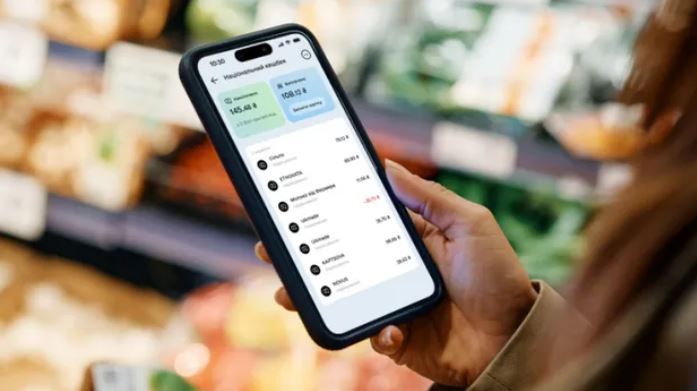
The National Cashback program continues to demonstrate remarkable resilience and growth, with two additional banks joining the initiative despite recent changes in government leadership and the appointment of a new Minister of Economy. This expansion brings the total number of participating financial institutions to 22, signaling strong institutional support for the consumer incentive program that has become an integral part of the country’s economic stimulation strategy.
The addition of these two banks reflects the program’s enduring appeal to both financial institutions and consumers alike. Banking sector analysts note that participation in cashback programs has become increasingly important for customer acquisition and retention in today’s competitive financial services landscape. The decision of these banks to join the program suggests confidence in its long-term viability regardless of political transitions.
Background and Evolution of the National Cashback Initiative
National cashback programs have emerged as powerful tools for governments seeking to stimulate domestic consumption and support local businesses. These initiatives typically work by returning a percentage of purchases to consumers when they use digital payment methods at participating merchants, effectively encouraging both cashless transactions and spending within the national economy. The program’s structure incentivizes consumers to shop locally while simultaneously modernizing payment infrastructure.
The concept of government-sponsored cashback programs gained significant traction following the global economic disruptions of recent years. Countries around the world have implemented similar schemes to boost consumer confidence and spending. Such programs serve multiple purposes: they increase the velocity of money in the economy, promote financial inclusion by encouraging bank account usage, and provide valuable data on consumer spending patterns that can inform future economic policy decisions.
Stability Amid Political Transition
What makes this expansion particularly noteworthy is its timing during a period of governmental transition. Changes in political leadership often create uncertainty that can slow or halt ongoing initiatives. The fact that the National Cashback program not only continues but actively grows under new ministerial oversight demonstrates the program’s institutional strength and cross-party support. Economic experts suggest this continuity is crucial for maintaining consumer and business confidence in such programs.
The new Minister of Economy’s apparent endorsement of the program, evidenced by its continued expansion, suggests recognition of its economic benefits. Industry observers interpret this as a positive signal that successful economic initiatives can transcend political changes, providing stability for businesses and consumers who have integrated these benefits into their financial planning. The banking sector’s continued enthusiasm for joining the program further reinforces its perceived value across different stakeholder groups.
Impact on Banking Sector and Consumer Behavior
With 22 banks now participating, the National Cashback program offers consumers unprecedented choice and accessibility. This broad participation ensures that citizens across various demographics and regions can benefit from the initiative, regardless of their existing banking relationships. Financial inclusion experts emphasize that such widespread bank participation is essential for ensuring equitable access to program benefits.
For participating banks, the program represents an opportunity to attract new customers and deepen relationships with existing ones. In an era where differentiation in banking services has become increasingly challenging, participation in popular government initiatives provides a competitive advantage. Banks report that cashback programs significantly influence customer decisions, particularly among younger demographics who prioritize rewards and digital convenience in their banking choices. The expansion to 22 institutions also creates healthy competition that ultimately benefits consumers through improved service quality and potentially enhanced cashback rates.
Expert Opinion: The steady expansion of the National Cashback program to 22 participating banks, even amid governmental transitions, indicates strong foundational policy design and genuine economic utility. This resilience suggests the program has moved beyond experimental status to become embedded infrastructure in the national financial ecosystem. Looking ahead, we can expect continued growth as remaining financial institutions face increasing pressure to join or risk losing market share to competitors already benefiting from enhanced customer engagement.