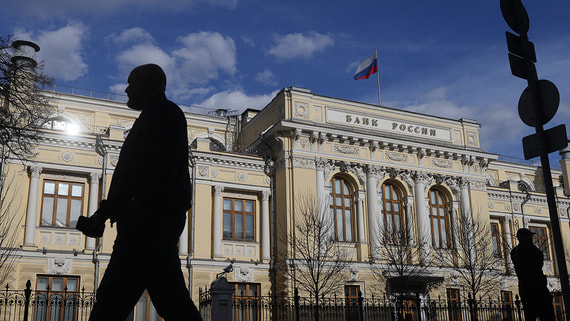




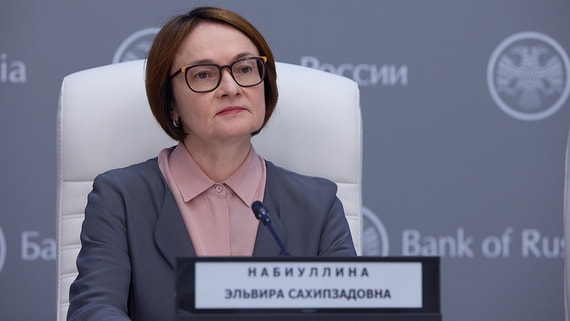
The Central Bank of Russia has revised its expectations for the average trajectory of the key interest rate and raised its inflation forecast, signaling a potentially prolonged period of tight monetary policy. This announcement comes amid ongoing economic pressures and persistent inflationary trends that have challenged the regulator’s efforts to stabilize prices while supporting economic growth. The decision reflects the complex balancing act the Bank of Russia faces as it navigates through turbulent economic waters, with implications reaching far beyond financial markets to affect ordinary consumers, businesses, and the broader economy.
Central Bank’s Updated Monetary Policy Outlook
The Bank of Russia’s latest monetary policy report indicates a significant shift in the regulator’s stance on interest rates. The central bank has adjusted its forecast for the average key rate trajectory upward, suggesting that borrowing costs will remain elevated for longer than previously anticipated. This revision reflects the persistent nature of inflationary pressures in the Russian economy, which have proven more stubborn than initially expected. The regulator has simultaneously increased its inflation forecast, acknowledging that price growth continues to exceed target levels despite previous rate hikes. Economists note that this dual adjustment — higher rate expectations coupled with elevated inflation projections — points to a more hawkish stance from the monetary authority.
The key interest rate serves as the primary tool in the Central Bank’s arsenal for controlling inflation and influencing economic activity. When the rate is high, borrowing becomes more expensive for both businesses and consumers, which typically dampens spending and investment, thereby cooling inflationary pressures. Conversely, lower rates stimulate borrowing and economic activity. The current elevated rate environment reflects the Central Bank’s priority on bringing inflation back to its target level of approximately 4%, a goal that has remained elusive in recent periods. Market participants and analysts are now recalibrating their expectations, with many forecasting that the key rate could remain at historically high levels well into the next year.
Economic Context and Inflationary Pressures
Understanding the Central Bank’s decision requires examining the broader economic context facing Russia. Inflation has been driven by multiple factors, including supply chain disruptions, labor market tightness, and fiscal spending patterns. The labor market, in particular, has experienced significant strain, with unemployment at historically low levels creating upward pressure on wages. While higher wages benefit workers, they also contribute to inflation as businesses pass increased labor costs on to consumers through higher prices. This wage-price dynamic has been a particular concern for the Central Bank, which monitors these trends closely in its policy deliberations.
Consumer price growth has affected various sectors of the economy differently, with food prices, housing costs, and services all contributing to the overall inflation picture. The Central Bank’s revised forecast suggests that these pressures are expected to persist longer than previously thought, necessitating a more extended period of monetary tightening. Historical data shows that Russia has experienced several inflationary episodes over the past decades, with the Central Bank developing increasingly sophisticated tools to manage these challenges. The current situation, however, presents unique complexities that require careful policy calibration to avoid both runaway inflation and excessive economic contraction.
Implications for Businesses and Consumers
The extended period of high interest rates carries significant implications for various economic actors. For businesses, elevated borrowing costs translate into more expensive credit for expansion, equipment purchases, and working capital needs. Small and medium enterprises, which often rely heavily on bank financing, may find growth opportunities constrained by the cost of capital. Larger corporations with access to diverse funding sources may be better positioned to weather this environment, though even they face increased financing expenses that affect profitability and investment decisions.
Consumers face their own challenges in a high-rate environment. Mortgage rates remain elevated, affecting housing affordability and real estate market dynamics. Consumer credit, including auto loans and personal loans, becomes more expensive, potentially dampening household spending on big-ticket items. However, savers benefit from higher deposit rates, which can provide some offset to inflationary erosion of purchasing power. The Central Bank must weigh these various impacts as it sets policy, aiming to achieve price stability without unduly restricting economic activity or causing financial hardship for households and businesses alike.
Expert Opinion: The Central Bank’s revised outlook suggests monetary authorities are prepared for a marathon rather than a sprint in the fight against inflation. With structural factors driving price pressures and the labor market remaining tight, interest rates are likely to stay elevated through 2025, potentially reaching double-digit levels before any meaningful easing begins. Investors and businesses should plan for a prolonged period of restrictive financial conditions, making strategic adjustments to debt structures and investment timelines accordingly.