



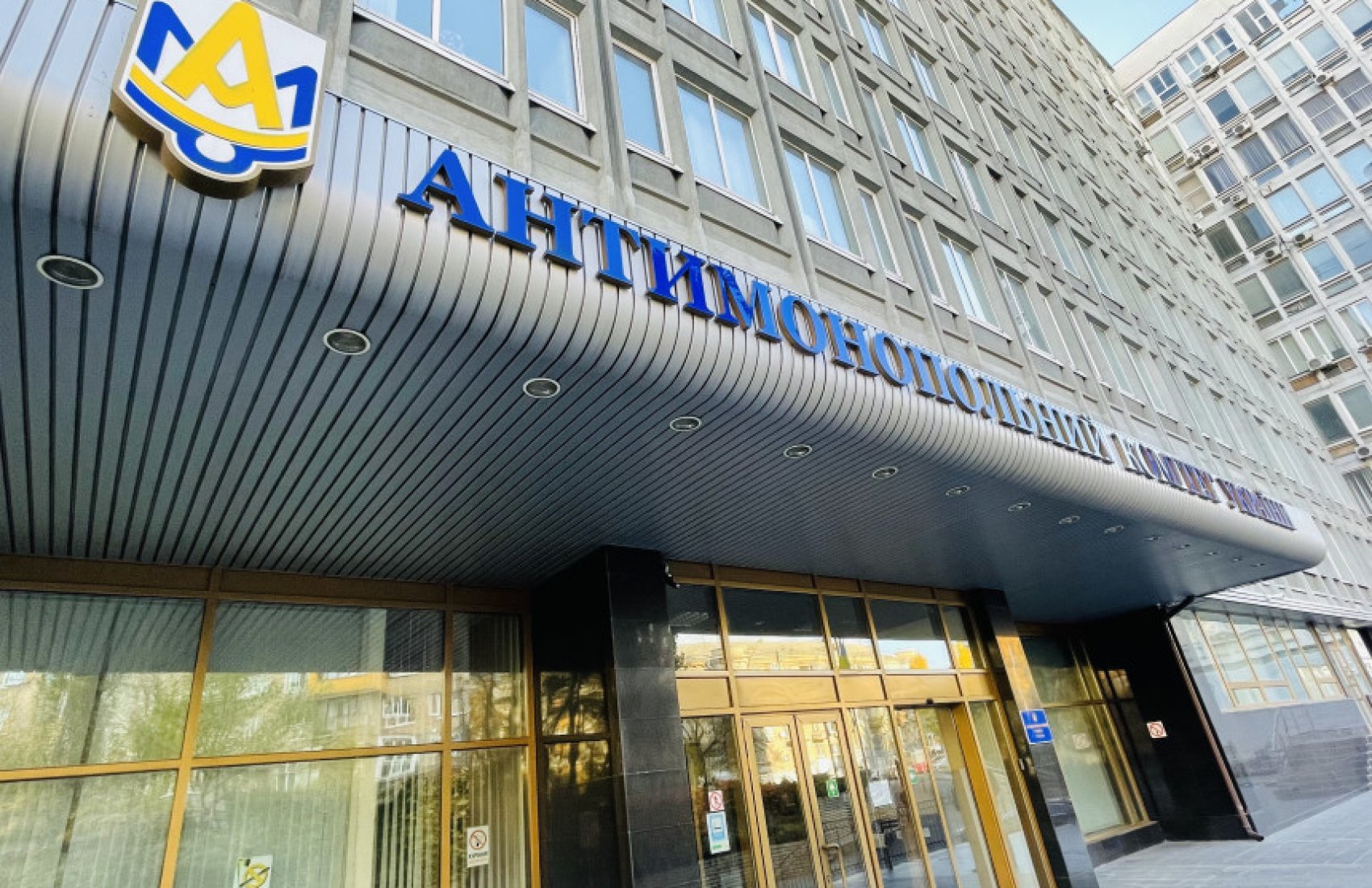
Ukraine’s Antimonopoly Committee (AMCU) has exposed a significant bid-rigging scheme involving two companies that participated in tenders organized by Ukrgazvydobuvannya, the country’s largest natural gas extraction company. The investigation revealed that LLC “Nova Interprise” and LLC “Trading Pipe Company” engaged in anticompetitive practices that violated Ukrainian competition law, resulting in combined penalties exceeding 50 million hryvnias. This case represents one of the most substantial enforcement actions in the energy sector procurement space in recent months, highlighting ongoing challenges with tender manipulation in Ukraine’s strategic industries.
Details of the Collusion Scheme
The AMCU investigation uncovered that both companies coordinated their bidding strategies in procurement procedures conducted by Ukrgazvydobuvannya, which is a subsidiary of Naftogaz of Ukraine and serves as the primary domestic gas producer in the country. According to the committee’s findings, the companies engaged in classic bid-rigging tactics, where competitors secretly agree on who will submit the winning bid while others submit artificially inflated or non-competitive offers. This type of collusion eliminates genuine competition and typically results in the procuring entity paying significantly higher prices than would occur in a truly competitive market environment. The tenders in question involved the supply of pipe products and related equipment essential for gas extraction operations, representing contracts worth substantial sums that directly impact Ukraine’s energy security infrastructure.
Bid-rigging in public procurement remains one of the most damaging forms of anticompetitive behavior, as it directly affects taxpayer funds and undermines trust in public institutions. International studies suggest that cartel activity in procurement can inflate prices by 20 to 30 percent compared to competitive market conditions. In Ukraine’s case, where the energy sector represents a critical component of national security, such violations carry particularly serious implications beyond mere financial losses.
AMCU’s Enforcement Actions and Legal Framework
The Antimonopoly Committee of Ukraine operates under a robust legal framework designed to protect market competition and ensure fair business practices. Under Ukrainian law, companies found guilty of anticompetitive agreements face fines calculated as a percentage of their annual turnover, with penalties potentially reaching up to 10 percent of revenues. The combined fine of over 50 million hryvnias imposed on Nova Interprise and Trading Pipe Company reflects the severity of their violations and serves as a deterrent signal to other market participants who might consider similar schemes. The AMCU has significantly strengthened its investigative capabilities in recent years, employing advanced analytics to detect suspicious bidding patterns and coordinating with international partners to share best practices in competition enforcement.
Ukraine’s commitment to strengthening its antimonopoly enforcement has been a key component of its broader reform agenda, particularly in the context of European integration aspirations. The European Union has consistently emphasized the importance of fair competition and transparent procurement as essential elements of a functioning market economy. Cases like this demonstration of AMCU’s enforcement capacity serve to build confidence among international partners and investors that Ukraine is serious about combating corruption and ensuring a level playing field for businesses operating within its borders.
Impact on Ukraine’s Energy Sector and Future Outlook
Ukrgazvydobuvannya plays a pivotal role in Ukraine’s energy independence strategy, producing approximately 70 percent of all domestically extracted natural gas. Any manipulation in the company’s procurement processes directly affects operational costs and, ultimately, the price stability of natural gas for Ukrainian consumers and industries. The exposure of this collusion scheme underscores the need for continued vigilance and enhanced procurement monitoring systems within state-owned enterprises. Following this case, Ukrgazvydobuvannya is expected to implement additional safeguards and potentially review past tenders for similar irregularities, which could lead to further investigations and enforcement actions.
The successful prosecution of this case sends a clear message that anticompetitive behavior in strategic sectors will face serious consequences. As Ukraine continues to reform its economy and strengthen institutional capacity, effective competition enforcement remains essential for attracting investment, ensuring efficient use of public resources, and building the foundation for sustainable economic growth. Market observers anticipate that the AMCU will continue to intensify its scrutiny of high-value procurement in energy, infrastructure, and defense sectors, where the risks and rewards of bid-rigging schemes are particularly significant.
Expert Opinion: This enforcement action demonstrates that Ukraine’s competition authorities are increasingly capable of detecting sophisticated collusion schemes in strategic sectors. The substantial fine amount signals a shift toward more punitive measures that could genuinely deter future violations. As Ukraine deepens its European integration, we can expect further alignment with EU competition standards and more aggressive prosecution of cartel activity, particularly in energy-related procurement where national security interests intersect with market integrity.