




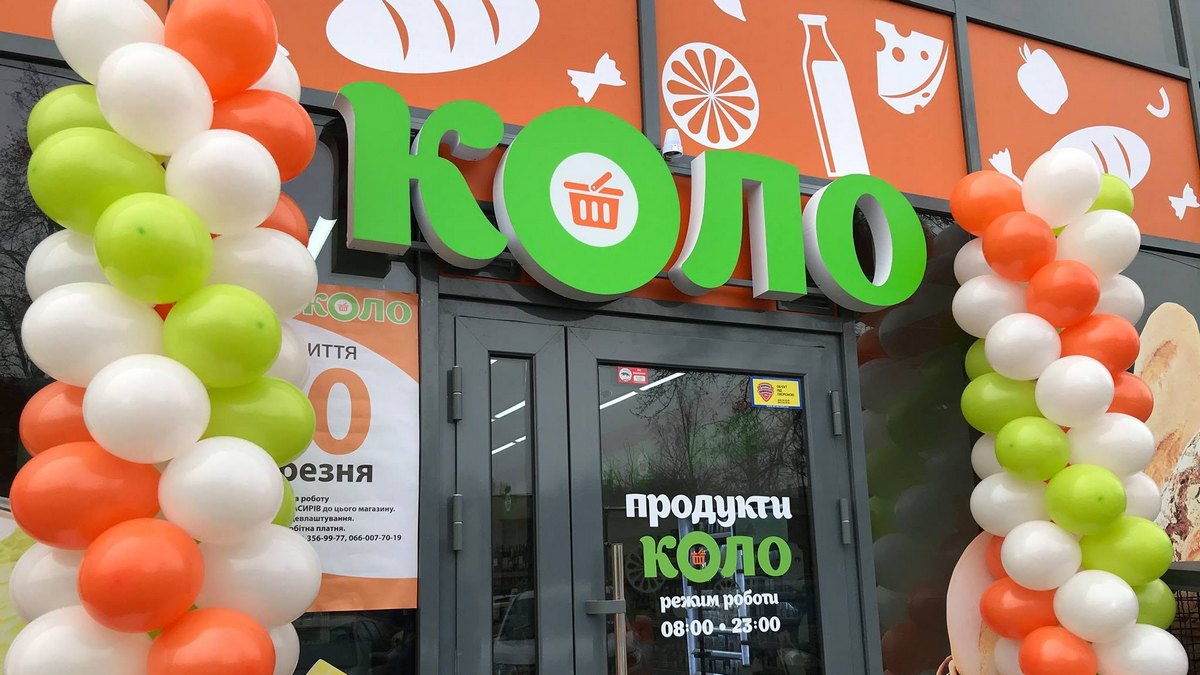
The Dnipro-based supermarket chain Varus is set to significantly strengthen its position in Ukraine’s capital through a major merger and acquisition deal. The company has announced its intention to purchase the Kolo supermarket network, marking one of the most significant retail transactions in Ukraine’s recent market history. This strategic expansion comes at a critical time for Ukrainian retail, as companies seek to consolidate their market positions and adapt to the challenging economic environment shaped by ongoing geopolitical tensions.
Retail expert and industry analyst Shostak has provided detailed insights into the rationale behind this acquisition, explaining that the move represents a calculated effort by Varus to establish a dominant presence in Kyiv’s competitive grocery retail landscape. The acquisition of Kolo stores will provide Varus with immediate access to prime retail locations across the capital, significantly reducing the time and investment typically required for organic market expansion.
The Strategic Importance of Kyiv Market Expansion
Kyiv represents the most lucrative retail market in Ukraine, with a metropolitan population exceeding three million consumers and significantly higher average purchasing power compared to other Ukrainian cities. For Varus, which has historically concentrated its operations in the Dnipropetrovsk region and eastern Ukraine, gaining a substantial foothold in the capital has been a long-standing strategic objective. The acquisition of Kolo provides an accelerated pathway to achieving this goal without the lengthy process of site selection, construction, and brand establishment that organic growth would require.
The Kolo supermarket chain has built a loyal customer base in Kyiv over the years, establishing itself as a recognizable brand with convenient locations throughout various districts of the capital. By acquiring this established network, Varus gains not only physical retail space but also existing supply chain relationships, trained staff familiar with local consumer preferences, and an operational infrastructure already adapted to the specific demands of the Kyiv market. Industry observers note that such acquisitions often prove more cost-effective than building new stores from scratch, particularly in urban areas where prime retail real estate commands premium prices.
M&A Activity in Ukraine’s Retail Sector
This transaction reflects a broader trend of consolidation within Ukraine’s retail industry, where larger players are increasingly seeking to acquire smaller regional chains to achieve economies of scale and strengthen their competitive positions. The Ukrainian grocery retail market has experienced significant transformation over the past decade, with international and domestic chains gradually displacing traditional open-air markets and small independent stores. Major players including ATB, Silpo, Novus, and Fozzy Group have engaged in aggressive expansion strategies, creating intense competition for market share.
The timing of the Varus-Kolo deal is particularly noteworthy given the economic challenges facing Ukrainian businesses. Despite the difficult operating environment, well-capitalized retail companies are viewing the current period as an opportunity to acquire assets at favorable valuations and position themselves for post-conflict recovery. Analysts suggest that companies with strong balance sheets and access to capital are actively seeking acquisition targets, anticipating that the eventual stabilization of the Ukrainian economy will reward those who invested during the downturn.
Future Outlook for Ukrainian Retail
Following the completion of this acquisition, Varus is expected to undertake a comprehensive integration process that will likely involve rebranding Kolo locations, harmonizing product assortments, and implementing unified operational systems across the expanded network. The company faces the challenge of retaining Kolo’s existing customer base while introducing the Varus brand identity and operational standards. Successful integration will require careful attention to local preferences and shopping habits that Kolo customers have come to expect.
Market analysts predict that this acquisition will trigger additional M&A activity in the Ukrainian retail sector, as competitors respond to Varus’s strengthened market position. The consolidation trend is expected to continue as the industry matures and smaller players find it increasingly difficult to compete with the purchasing power and operational efficiencies of larger chains. For Ukrainian consumers, this evolution could bring both benefits, including improved store quality and product selection, as well as potential concerns about reduced competition and its impact on pricing.
Expert Opinion: This acquisition represents a pivotal moment in Ukrainian retail consolidation, demonstrating that despite current challenges, strategic investors remain confident in the long-term potential of the Ukrainian consumer market. Companies that successfully execute M&A strategies during this period of transformation will likely emerge as dominant players when market conditions normalize, fundamentally reshaping the competitive landscape of Ukrainian grocery retail for years to come.