



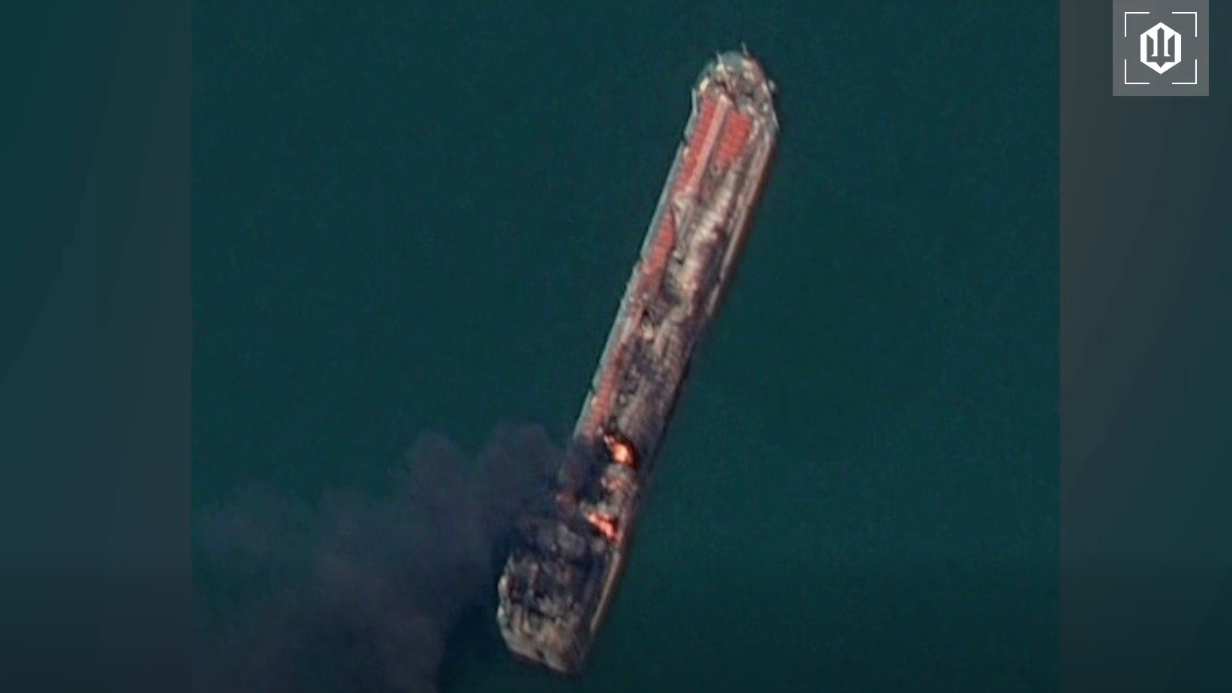
In a significant development that highlights the growing effectiveness of Ukrainian naval drone operations, a senior Ukrainian military commander has revealed that Russia is being forced to withdraw substantial unmanned aerial vehicle (UAV) resources from active combat zones to protect its maritime assets. According to the commander of Ukraine’s Unmanned Systems Forces (USF), known by his call sign “Magyar,” Russia has pulled approximately 200 “Rubikon” drone crews from frontline positions to defend its so-called shadow fleet operating in the Black Sea and surrounding waters.
The Ukrainian officer stated that this redeployment is a direct consequence of Operation “MoLoChKa” (a Ukrainian acronym), which has apparently achieved remarkable success in threatening Russian naval and commercial shipping operations. This forced redistribution of Russian drone assets represents a notable strategic victory for Ukraine, as it effectively weakens Russia’s reconnaissance and strike capabilities along the active line of contact where fierce battles continue to rage across multiple sectors of the front.
The Strategic Importance of Russia’s Shadow Fleet
Russia’s shadow fleet has become a critical component of Moscow’s efforts to circumvent Western sanctions imposed following the full-scale invasion of Ukraine in February 2022. This collection of aging tankers and cargo vessels, often operating under flags of convenience and with obscured ownership structures, has been instrumental in allowing Russia to continue exporting oil and petroleum products to global markets despite international restrictions. The fleet has grown substantially since 2022, with estimates suggesting it now comprises several hundred vessels engaged in transporting Russian crude oil, refined fuels, and other sanctioned goods.
The vessels in this shadow fleet typically operate with inadequate insurance, disabled tracking systems, and frequently engage in ship-to-ship transfers to obscure the origin of their cargo. Western governments and maritime analysts have expressed growing concern about these operations, not only because they undermine sanctions effectiveness but also due to the significant environmental and safety risks posed by aging, poorly maintained tankers navigating busy shipping lanes. The economic stakes are enormous, as oil and gas revenues remain a crucial source of funding for Russia’s war effort.
Ukraine’s Evolving Maritime Drone Capabilities
Since the beginning of the full-scale conflict, Ukraine has demonstrated remarkable innovation in developing and deploying maritime drones, also known as unmanned surface vessels (USVs). These relatively inexpensive but highly effective weapons have achieved several notable successes against Russian naval assets, including strikes on warships, patrol vessels, and the strategically vital Crimean Bridge. The psychological and practical impact of these operations has forced the Russian Black Sea Fleet to largely abandon its traditional bases in Crimea and relocate to more distant ports.
The “Rubikon” system mentioned by Commander Magyar refers to a Russian counter-drone complex designed to detect, track, and neutralize unmanned aerial systems. These crews typically operate sophisticated electronic warfare equipment and surveillance drones to identify incoming threats. The fact that Russia apparently feels compelled to redeploy 200 such crews—a substantial number representing significant technical expertise and equipment—suggests that Ukrainian maritime drone operations have reached a scale and sophistication that Moscow considers an existential threat to its shadow fleet operations.
Implications for the Frontline Battle
The withdrawal of 200 drone crews from active combat zones could have meaningful tactical implications along the roughly 1,000-kilometer front line where Ukrainian and Russian forces remain locked in intense combat. Drone warfare has become perhaps the defining characteristic of this conflict, with both sides relying heavily on UAVs for reconnaissance, artillery spotting, and direct strikes against personnel and equipment. Every drone crew removed from the front represents a degradation of Russian situational awareness and strike capability in that sector.
Military analysts have noted that this development illustrates a fundamental strategic dilemma facing Russian commanders: the need to simultaneously defend critical economic infrastructure, protect occupied territories, and maintain offensive and defensive capabilities across an extended front line. Resources allocated to one mission necessarily reduce capabilities elsewhere, and Ukraine has proven adept at exploiting these tradeoffs through innovative asymmetric warfare tactics. The success of Operation MoLoChKa, if confirmed, would represent another example of Ukraine leveraging technological innovation and strategic creativity to impose costs on a larger adversary.
Expert Opinion: The reported redeployment of Russian drone assets from frontlines to maritime defense duties signals a critical vulnerability in Moscow’s strategic calculations. If Ukraine can sustain pressure on the shadow fleet while maintaining its operational tempo on land, Russia may face increasingly difficult choices about resource allocation. This development suggests that Ukraine’s asymmetric maritime strategy is achieving effects far beyond the direct damage inflicted on individual vessels, potentially creating cascading weaknesses across Russia’s entire military posture.