


The global energy market has been dramatically impacted by disruptions in one of the world’s most critical maritime chokepoints, with fossil fuel importers reportedly incurring an additional $330 billion in shipping and procurement costs over a six-month period of restricted passage through the Strait of Hormuz. This staggering figure underscores the vulnerability of international energy supply chains and the enormous economic consequences when key transit routes face operational challenges or security threats.
The Strait of Hormuz, a narrow waterway separating Iran from the Arabian Peninsula, serves as the world’s most important oil chokepoint. Approximately 20-21 million barrels of oil pass through this strategic corridor daily, representing roughly 20 percent of global petroleum consumption. Any disruption to this vital passage immediately reverberates through international markets, affecting everything from crude oil prices to the cost of refined petroleum products and liquefied natural gas.
Understanding the Strategic Importance of the Strait of Hormuz
The Strait of Hormuz has long been recognized as one of the most geopolitically sensitive locations on Earth. At its narrowest point, the strait measures only 21 miles wide, with shipping lanes for inbound and outbound traffic each just two miles wide. This geographic bottleneck makes it particularly susceptible to various forms of disruption, whether from military conflict, piracy, or political tensions between regional powers. Major oil-producing nations including Saudi Arabia, Kuwait, Iraq, Iran, and the United Arab Emirates all depend on this passage to export their petroleum resources to global markets.
Historical precedents have demonstrated the strait’s vulnerability during periods of regional instability. During the Iran-Iraq War in the 1980s, the so-called “Tanker War” saw attacks on commercial vessels that significantly disrupted shipping. More recently, tensions between Iran and Western powers have periodically raised concerns about potential blockades or military confrontations that could impede maritime traffic. Insurance premiums for vessels transiting the region have historically spiked during these periods of heightened tension.
Economic Ripple Effects Across Global Markets
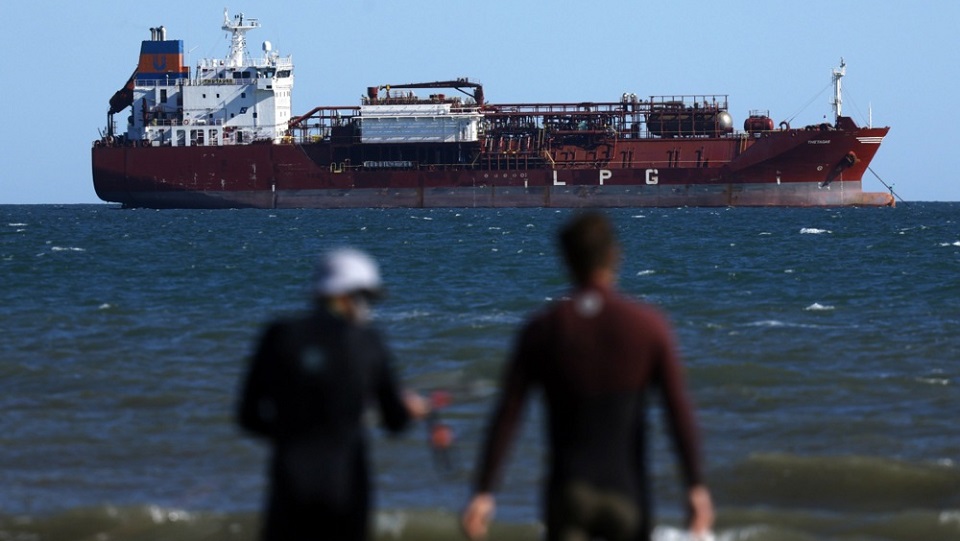
The $330 billion in additional costs borne by importers reflects multiple factors beyond simple price increases for crude oil. Shipping companies have been forced to seek alternative routes, with some vessels taking longer journeys around the Cape of Good Hope in Africa, adding weeks to delivery times and significantly increasing fuel consumption and operational expenses. Insurance premiums for vessels have skyrocketed, while demurrage charges for delayed cargoes have added further financial burdens.
Energy analysts note that these increased costs inevitably flow downstream to consumers in importing nations. Countries in Asia, particularly China, Japan, South Korea, and India, which rely heavily on Middle Eastern oil supplies, have been disproportionately affected. European nations, already grappling with energy security concerns following disruptions to Russian gas supplies, face additional pressure on their energy budgets. The situation has prompted renewed discussions about energy independence, strategic petroleum reserves, and the acceleration of renewable energy transitions in many importing countries.
Future Implications for Energy Security Planning
The massive financial impact of the strait disruption has reinvigorated debates about global energy security and the need for diversified supply sources. Many governments are now reassessing their dependence on maritime chokepoints and exploring options including increased domestic production, expanded strategic reserves, and accelerated investment in alternative energy sources. Pipeline infrastructure that bypasses vulnerable sea routes has gained renewed attention, though such projects require years of development and substantial capital investment.
The crisis has also highlighted the interconnected nature of modern energy markets and the limitations of relying on just-in-time delivery systems for essential commodities. Industry experts suggest that the experience will likely lead to structural changes in how nations approach energy procurement, potentially including longer-term contracts, diversified supplier relationships, and greater investment in energy storage capacity to buffer against future supply disruptions.
Expert Opinion: The $330 billion impact demonstrates that even temporary disruptions to critical maritime chokepoints can have cascading economic effects far exceeding initial estimates. Energy security strategists anticipate this event will accelerate geopolitical realignments in energy partnerships and drive unprecedented investment in both alternative supply routes and clean energy infrastructure over the coming decade.