




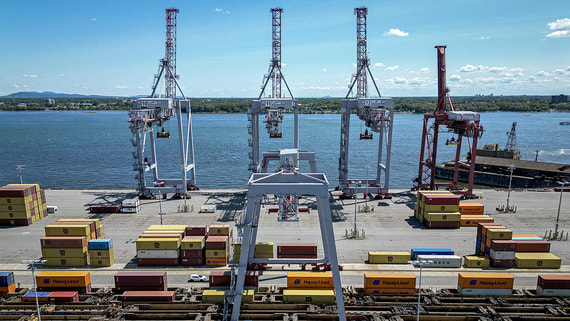
Canada has announced a significant intensification of economic cooperation with the European Union as the country seeks to diversify its trade relationships in response to escalating tariff disputes with the United States. This strategic pivot represents one of the most substantial shifts in Canadian trade policy in decades, as Ottawa looks to reduce its overwhelming dependence on its southern neighbor and establish stronger commercial ties across the Atlantic.
The announcement comes at a critical juncture for Canada, which has historically relied on the United States as its primary trading partner. Approximately 75% of Canadian exports currently flow southward across the border, a concentration that has left the country particularly vulnerable to the protectionist policies emerging from Washington. With the latest round of tariffs threatening key Canadian industries including steel, aluminum, lumber, and agricultural products, Canadian officials have been increasingly vocal about the need for trade diversification.
Historical Context of Canada-EU Trade Relations
The foundation for enhanced Canada-EU trade cooperation was laid in 2017 with the implementation of the Comprehensive Economic and Trade Agreement, commonly known as CETA. This landmark deal eliminated approximately 98% of tariffs between Canada and the European Union, creating a framework for expanded commercial exchange. However, despite the agreement’s ambitious scope, bilateral trade has grown more slowly than initially projected, with many Canadian businesses continuing to focus on the familiar American market rather than navigating European regulatory requirements and consumer preferences.
Trade experts note that the current geopolitical circumstances may finally provide the impetus needed to realize CETA’s full potential. The agreement grants Canadian exporters preferential access to a market of over 450 million consumers with combined GDP exceeding $18 trillion. Industries such as seafood, maple syrup, beef, and specialized manufacturing could see significant opportunities for expansion if Canadian companies commit to developing European distribution networks and meeting EU standards.
Challenges in Redirecting Trade Flows
Despite the promising framework, redirecting established trade patterns presents substantial logistical and economic challenges. The geographic reality remains that shipping goods across the Atlantic costs significantly more than trucking them across the U.S. border. Transportation infrastructure has been optimized over generations for north-south commerce, and reorienting supply chains requires substantial investment in port facilities, shipping capacity, and warehousing networks on both continents.
Furthermore, European consumers often have different preferences and regulatory requirements than their American counterparts. Canadian agricultural producers, for instance, must adapt to stricter EU regulations regarding genetically modified organisms, hormone treatments in livestock, and pesticide residues. These adjustments require time, investment, and expertise that many small and medium-sized Canadian enterprises may struggle to develop quickly. Industry analysts suggest that while diversification is strategically sound, the transition will likely take five to ten years to achieve meaningful scale.
Strategic Implications and Future Outlook
The Canadian government has signaled its commitment to this strategic reorientation through increased funding for trade promotion agencies and the establishment of new commercial offices across European capitals. Officials have also announced plans to streamline export certification processes and provide targeted support for businesses seeking to enter European markets for the first time. These initiatives reflect a broader recognition that economic security increasingly depends on maintaining diverse trading relationships rather than relying on any single partner.
The European Union has expressed receptiveness to deepening ties with Canada, viewing the relationship as part of its own strategy to strengthen partnerships with like-minded democracies. EU trade officials have highlighted opportunities for cooperation in emerging sectors including clean technology, critical minerals, and digital services. Canada’s abundant natural resources, particularly those essential for the green energy transition, position the country as a potentially important supplier for European industries seeking to reduce dependence on Chinese supply chains.
Expert Opinion: While Canada’s pivot toward Europe represents sound strategic planning, the transition will require sustained commitment over multiple government terms to achieve meaningful results. The most successful approach will likely involve targeting specific high-value sectors where Canada holds competitive advantages, rather than attempting broad-based trade expansion. Companies that invest now in understanding European markets and building relationships will be best positioned to benefit when the infrastructure and regulatory alignment mature in the coming decade.