



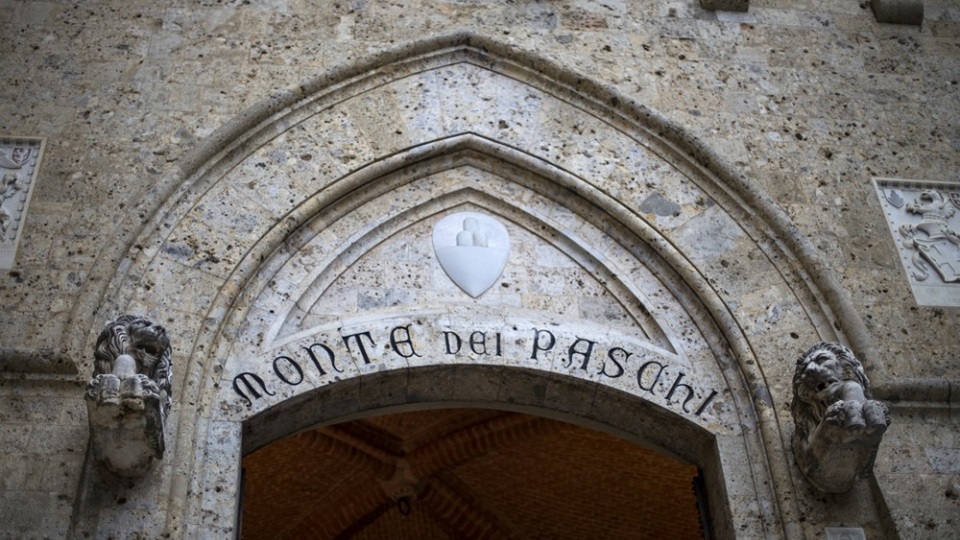
Banca Monte dei Paschi di Siena, the world’s oldest operating bank with a history stretching back to 1472, is making an aggressive move to consolidate its position in the Italian banking sector. The Siena-based institution is pursuing the acquisition of two competing banks in a strategic maneuver designed to create a financial powerhouse with assets totaling approximately 450 billion euros. This bold expansion strategy comes as the bank seeks to defend itself against potential acquisition attempts by Italy’s largest banking group, Intesa Sanpaolo.
A Defensive Strategy Through Expansion
The acquisition plan represents a significant shift in strategy for Monte dei Paschi, which spent years struggling with bad loans and required multiple government bailouts to survive. By absorbing two smaller competitors, the bank aims to achieve a scale that would make it too large and complex for hostile takeover attempts. Industry analysts suggest that reaching the 450 billion euro asset threshold would position Monte dei Paschi among the top tier of European banking institutions, fundamentally changing the competitive dynamics of the Italian financial sector.
The move comes amid a broader wave of consolidation sweeping through European banking, as institutions seek economies of scale to compete with larger American and Asian rivals. For Monte dei Paschi, the strategy carries particular urgency given the persistent interest from Intesa Sanpaolo, which has been actively expanding its domestic footprint through acquisitions. Intesa Sanpaolo, already Italy’s largest bank by assets, has made no secret of its ambitions to further consolidate the fragmented Italian banking market.
Historical Significance and Recent Struggles
Monte dei Paschi’s history is intertwined with the economic development of Tuscany and broader Italy. Founded in 1472 to provide loans to the poor and struggling merchants, the bank predates the discovery of the Americas and has survived countless political upheavals, wars, and economic crises over its 553-year existence. However, the 2008 global financial crisis and subsequent European debt crisis exposed significant weaknesses in the bank’s loan portfolio and risk management practices.
The Italian government was forced to intervene multiple times to rescue Monte dei Paschi, injecting billions of euros in taxpayer funds to prevent a collapse that could have destabilized the entire Italian financial system. The bank became a symbol of the challenges facing Italy’s banking sector, which was burdened with hundreds of billions of euros in non-performing loans. After years of restructuring, job cuts, and strategic refocusing, Monte dei Paschi has finally returned to profitability, enabling it to pursue this ambitious acquisition strategy.
Implications for European Banking Consolidation
If successful, the creation of a 450 billion euro banking entity would reshape the competitive landscape not just in Italy but across Southern Europe. Financial regulators are likely to scrutinize the deal carefully, weighing the benefits of a stronger Italian banking champion against potential risks to competition and financial stability. European Central Bank officials have generally supported consolidation in the fragmented eurozone banking sector, viewing larger institutions as better positioned to weather economic shocks and compete globally.
For investors and customers alike, the outcome of this banking chess match could determine the future direction of Italian finance for decades to come. The proposed mega-merger would create Italy’s third-largest banking group, providing a genuine alternative to the dominant position held by Intesa Sanpaolo and UniCredit. As negotiations continue behind closed doors, all eyes in European financial circles remain fixed on Siena, where the world’s oldest bank is writing its newest chapter.
Expert Opinion: This defensive consolidation strategy by Monte dei Paschi reflects a broader trend in European banking where mid-sized institutions face a stark choice: grow substantially or risk being absorbed by larger competitors. If the 450 billion euro entity materializes, it would fundamentally alter Italian banking dynamics and could trigger additional consolidation moves across the eurozone as rivals respond to the new competitive reality.