



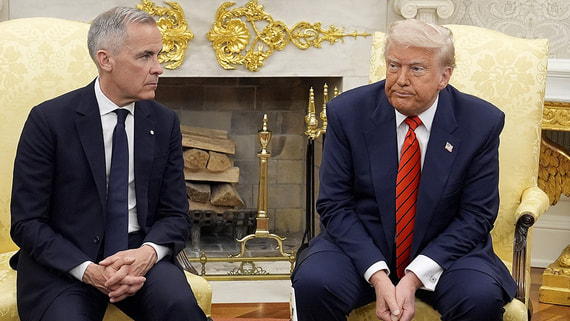
In a move that has sent shockwaves through North American markets and diplomatic circles, former and potentially future President Donald Trump has reignited trade hostilities with Canada, America’s largest trading partner. Despite clear evidence that tariff conflicts negatively impact his approval ratings among key voter demographics, Trump appears committed to this confrontational economic strategy. The renewed trade tensions raise fundamental questions about the future of North American economic integration and the political calculations driving these decisions.
The current escalation represents a continuation of Trump’s long-standing skepticism toward traditional trade relationships. During his first administration from 2017 to 2021, Trump frequently described existing trade deals as unfavorable to American workers and manufacturers. He successfully renegotiated NAFTA into the United States-Mexico-Canada Agreement (USMCA), though he has recently suggested that even this deal, which he himself championed, may need further revision. Economists and trade experts have expressed concern that constant renegotiation creates uncertainty that harms businesses on both sides of the border.
Historical Context of US-Canada Trade Relations
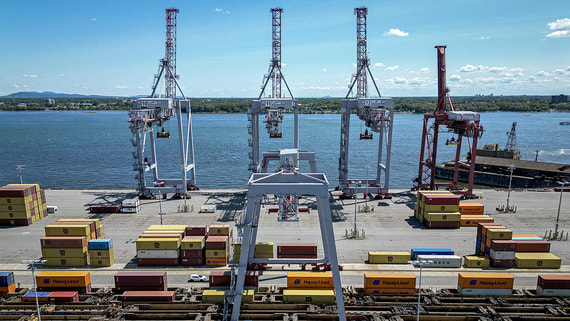
The United States and Canada share the world’s longest undefended border and one of the most integrated economic relationships on the planet. Bilateral trade between the two nations exceeded $900 billion in recent years, with millions of jobs in both countries dependent on the smooth flow of goods and services. The automotive industry alone sees parts crossing the border multiple times during the manufacturing process, making tariffs particularly disruptive to supply chains that have developed over decades of integration.
Historically, trade disputes between the two neighbors have been resolved through negotiation and international arbitration rather than unilateral tariff actions. The softwood lumber dispute, for instance, has persisted for over four decades but has been managed through various agreements and World Trade Organization processes. Trump’s approach of using tariffs as a primary negotiating tool represents a significant departure from this diplomatic tradition and has drawn criticism from free-trade advocates within his own party.
Political Calculations Behind the Tariff Strategy
Political analysts suggest several motivations behind Trump’s willingness to pursue tariff policies despite their potential unpopularity. The strategy appeals strongly to his core base of supporters in manufacturing regions who believe that foreign competition has decimated American industry. States like Michigan, Pennsylvania, and Ohio, which are crucial swing states in presidential elections, have experienced significant job losses in manufacturing over recent decades. By positioning himself as a fighter against perceived unfair trade practices, Trump reinforces his image as a disruptor of establishment economic policies.
However, the economic consequences of trade wars are complex and often hurt the very constituencies they are meant to help. Studies of Trump’s first-term tariffs showed that American consumers bore the majority of costs through higher prices, while retaliatory tariffs from trading partners harmed American agricultural exporters. Canadian officials have repeatedly warned that they will respond to new American tariffs with proportional countermeasures targeting politically sensitive sectors in the United States.
Implications for North American Economic Integration
The renewed trade tensions come at a particularly sensitive time for North American economic cooperation. Global supply chain disruptions following the pandemic highlighted the value of nearby, reliable trading partners. Many businesses had begun shifting production from Asia back to North America, a trend known as nearshoring, which the trade uncertainty now threatens to undermine. Canadian officials have expressed frustration that decades of partnership and cooperation seem to count for little in the current political climate.
Looking ahead, the resolution of these trade disputes will likely depend on political developments in both countries. Canadian Prime Minister and other officials face pressure to respond firmly to American tariff threats while avoiding an economically damaging escalation. Meanwhile, American businesses affected by retaliatory measures are lobbying against further trade restrictions. The outcome will shape not only the economic relationship between these two nations but also set precedents for how the United States engages with other trading partners around the world.
Expert Opinion: Trade economists widely agree that while tariffs may provide short-term political benefits by appealing to protectionist sentiment, they ultimately reduce economic efficiency and consumer welfare in both countries. The integration of North American supply chains has progressed to such a degree that disentangling them would require years of costly restructuring. Markets should anticipate continued volatility as these negotiations unfold, though historical patterns suggest eventual compromise will be reached before maximum economic damage occurs.