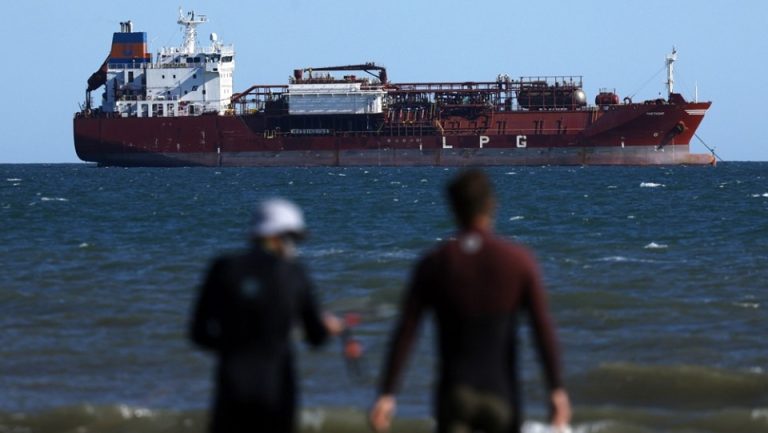



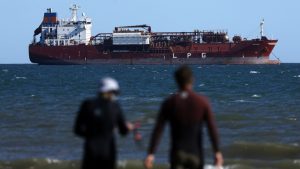
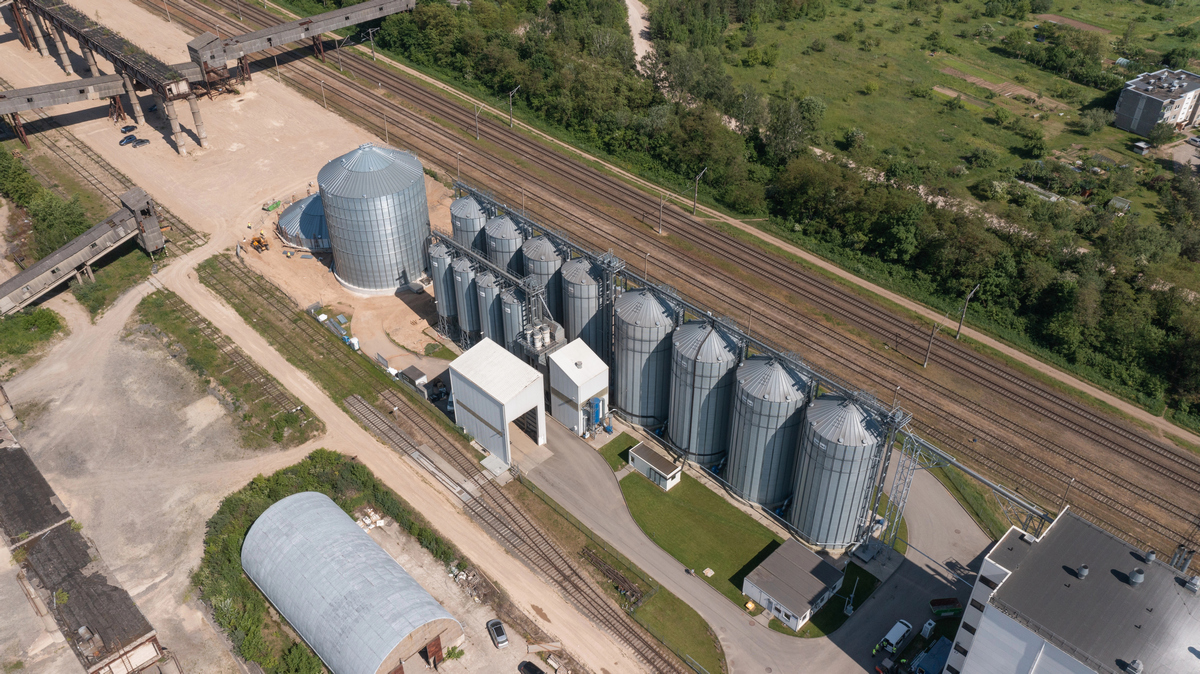
The Ukrainian government has formally requested the National Bank of Ukraine (NBU) to soften its requirements regarding the timeframes within which agricultural exporters must return foreign currency earnings to the country. This appeal comes as the suspension of seaport operations has dramatically extended logistics routes for Ukrainian agricultural exports, creating significant cash flow challenges for the farming sector that remains one of the nation’s most critical economic pillars.
The request highlights the growing strain on Ukrainian agriculture, which has been forced to adapt to increasingly complex export conditions since the full-scale invasion began in February 2022. With traditional Black Sea shipping routes periodically disrupted or completely blocked, farmers and grain traders have had to pivot to alternative transportation methods that are often slower, more expensive, and less efficient than maritime shipping.
The Challenge of Extended Logistics Routes
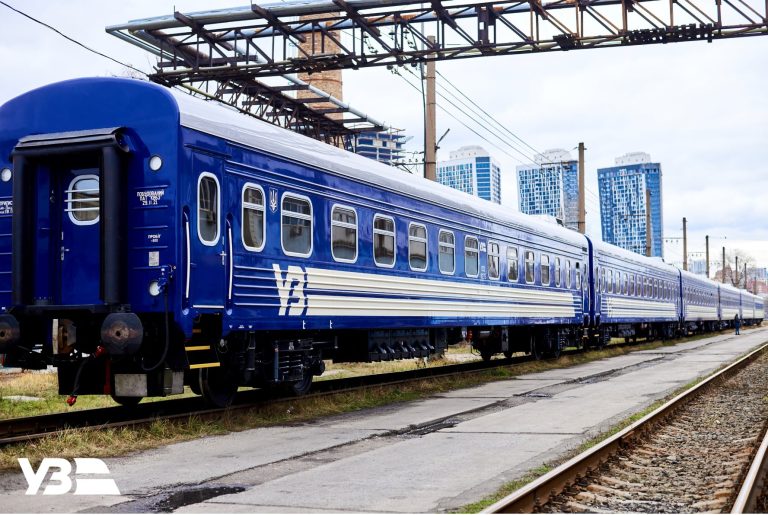
The suspension of port activities has forced Ukrainian agricultural exporters to rely more heavily on land-based transportation, including rail and road routes through neighboring European Union countries such as Poland, Romania, and Hungary. These alternative corridors, while crucial for keeping Ukrainian grain flowing to global markets, significantly increase transit times compared to the traditional Black Sea shipping routes that once handled the vast majority of Ukrainian agricultural exports.
Prior to the conflict, Ukraine was one of the world’s largest grain exporters, shipping approximately 95% of its agricultural products through Black Sea ports like Odesa, Chornomorsk, and Pivdennyi. The country typically exported around 50-60 million tonnes of grain annually, playing a vital role in global food security and supplying markets across Africa, the Middle East, and Asia. The disruption of these efficient maritime routes has created a cascade of financial challenges for producers who must now wait significantly longer to receive payment for their goods.
Currency Regulations and Their Impact on Farmers
Under current NBU regulations, exporters are required to return foreign currency earnings to Ukraine within specific timeframes as part of broader wartime capital controls designed to protect the national currency and maintain financial stability. These regulations were implemented to prevent capital flight and ensure that hard currency continues flowing into the Ukrainian economy during the ongoing conflict. However, the extended logistics chains now mean that farmers often cannot meet these deadlines through no fault of their own, as their goods remain in transit far longer than previously anticipated.
The agricultural sector’s request for flexibility reflects a broader tension between maintaining strict financial controls and supporting the practical needs of businesses operating under extraordinary wartime conditions. Agricultural exports remain one of Ukraine’s primary sources of foreign currency revenue, making the health of this sector directly relevant to national economic stability. Industry experts estimate that delays in currency return can create significant liquidity problems for farmers who need to purchase seeds, fuel, equipment, and other inputs for the upcoming planting seasons.
Historical Context and Global Implications
Ukraine’s role as a global breadbasket cannot be overstated. Before the war, the country was responsible for approximately 10% of global wheat exports, 15% of corn exports, and nearly half of the world’s sunflower oil supply. The disruption of Ukrainian agricultural exports has contributed to food price inflation worldwide and raised concerns about food security in import-dependent nations, particularly in developing countries across Africa and the Middle East.
The government’s intervention on behalf of farmers demonstrates the priority placed on maintaining agricultural production capacity despite the challenging circumstances. By potentially extending currency return deadlines, the NBU would provide farmers with crucial breathing room to manage their finances while adapting to new logistical realities. Similar regulatory flexibility has been granted to other sectors facing wartime disruptions, suggesting that a favorable response from the central bank may be forthcoming. The outcome of this request will likely influence not only Ukrainian agricultural production but also global grain supply chains that continue to depend on Ukrainian exports.
Expert Opinion: The NBU faces a delicate balancing act between maintaining currency controls essential for wartime financial stability and providing necessary flexibility to keep Ukraine’s agricultural export engine running. Given agriculture’s critical role in generating foreign exchange revenue, relaxing these deadlines appears both economically prudent and strategically necessary. We anticipate the central bank will likely implement targeted exemptions tied to documented shipping delays rather than a blanket policy change.