


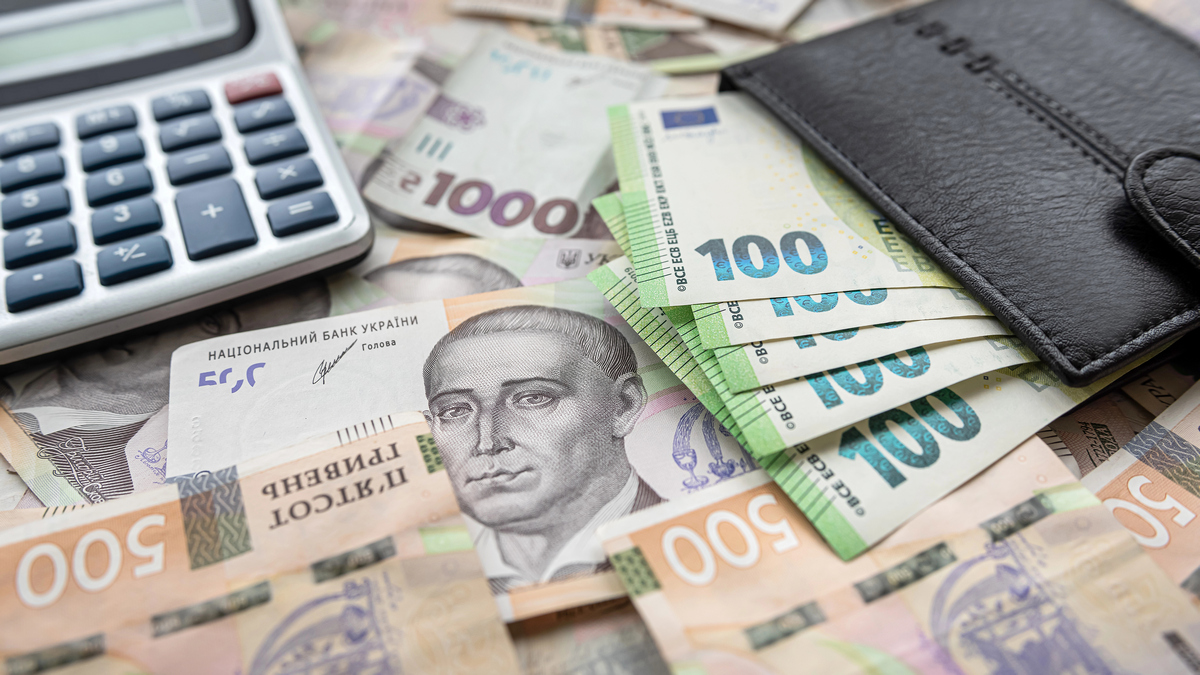
Ukraine will mark its Independence Day with the euro trading at a record-breaking 52.25 hryvnias, as the European currency continues its unprecedented climb against the Ukrainian national currency. This marks the second consecutive day that the official euro exchange rate has set a new historical high, reflecting ongoing economic pressures facing the war-torn nation as it approaches one of its most significant national holidays.
The continuous appreciation of the euro against the hryvnia underscores the mounting economic challenges Ukraine faces as it enters its third year of full-scale conflict with Russia. Currency fluctuations have become a barometer of economic stability, and the persistent weakening of the hryvnia against major global currencies signals deeper structural issues that require attention from policymakers and international partners alike.
Economic Pressures Behind the Currency Movement
The National Bank of Ukraine has been working tirelessly to maintain currency stability amid extraordinary circumstances. Since Russia’s full-scale invasion began in February 2022, the central bank has employed various monetary policy tools to prevent the hryvnia from collapsing entirely. These measures have included controlled devaluations, currency controls, and close coordination with international financial institutions. Despite these efforts, the hryvnia has steadily lost value against both the euro and the US dollar, reflecting the immense economic toll of the ongoing conflict.
The Ukrainian economy has faced severe disruptions including damaged infrastructure, reduced industrial output, and significant population displacement. Millions of Ukrainians have left the country, while those remaining have seen their purchasing power erode. International financial support from the European Union, International Monetary Fund, and bilateral partners has been crucial in preventing economic collapse, but the sustained military expenditure and reconstruction needs continue to strain the national budget.
Historical Context and Currency Evolution
The Ukrainian hryvnia was introduced in 1996, replacing the transitional karbovanets currency. Throughout its history, the hryvnia has experienced several periods of significant volatility, particularly during the 2008 global financial crisis and the 2014-2015 economic downturn following Russia’s annexation of Crimea. However, the current depreciation cycle represents the most sustained pressure the currency has faced since its introduction. Before the 2022 invasion, the euro traded at approximately 32-34 hryvnias, meaning the currency has lost roughly 40-50% of its value against the euro in just over two years.
Economic analysts note that while currency depreciation presents challenges for ordinary citizens through higher import prices and reduced purchasing power, it can also provide some benefits for export-oriented sectors. Ukrainian agricultural products and certain industrial goods become more competitive on international markets when priced in a weaker local currency. However, with ongoing port blockades and transportation difficulties, the ability to capitalize on this potential advantage remains limited.
Independence Day and National Resilience
As Ukraine prepares to celebrate its 33rd Independence Day since declaring sovereignty from the Soviet Union in 1991, the economic challenges serve as a stark reminder of the price of maintaining national sovereignty. Despite the difficult exchange rates and economic hardships, Ukrainian officials and citizens have demonstrated remarkable resilience in adapting to wartime economic conditions. International observers continue to monitor the economic situation closely, with additional support packages being discussed at various diplomatic forums.
The European Union has signaled its continued commitment to supporting Ukraine’s economy as part of broader integration efforts. Ukraine’s candidate status for EU membership, granted in June 2022, carries both symbolic and practical implications for economic policy alignment. Financial experts suggest that deeper European integration could eventually provide greater currency stability, though such outcomes remain years away and contingent on continued reform efforts and the resolution of the military conflict.
Expert Opinion: The persistent weakening of the hryvnia against the euro reflects a combination of wartime economic disruption, sustained defense spending, and global currency dynamics. While international support continues to prevent catastrophic collapse, meaningful currency stabilization will likely require either significant military de-escalation or substantially increased foreign assistance. Investors and policymakers should anticipate continued volatility in the near term as Ukraine navigates these unprecedented challenges.