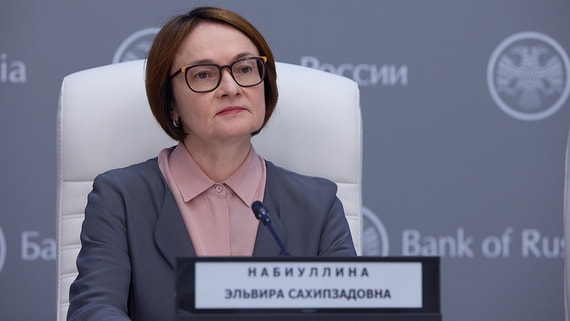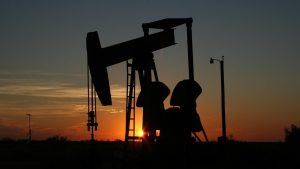




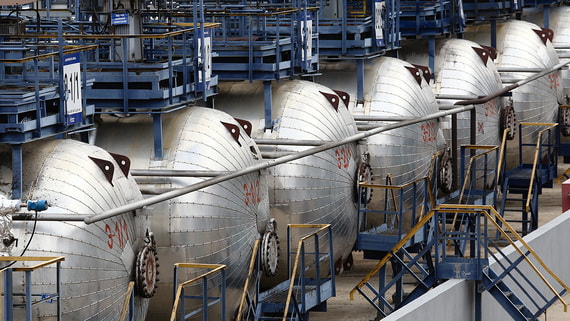
The Central Bank of Russia has released a comprehensive assessment indicating that operational disruptions at oil refineries have been exerting a negative influence on the country’s economic performance. According to the regulator’s latest analysis, these industrial setbacks have created measurable headwinds for the Russian economy, even as other sectors demonstrate signs of recovery and growth. The Bank of Russia simultaneously noted an acceleration in overall business activity during the second quarter of the year, presenting a complex picture of the nation’s economic landscape.
Refinery Disruptions Create Economic Headwinds
The operational difficulties experienced by Russian oil refineries represent a significant challenge for an economy that remains heavily dependent on its energy sector. Russia operates one of the world’s largest refining networks, with total capacity exceeding 6 million barrels per day across dozens of facilities spread throughout the country. When these facilities experience downtime, whether due to scheduled maintenance, technical failures, or external factors, the ripple effects can be felt throughout the broader economy. The refining sector not only contributes directly to GDP but also supports extensive supply chains, employment networks, and export revenues that are crucial for maintaining economic stability.
Industry analysts have pointed out that refinery disruptions can stem from multiple causes in the current environment. Some facilities have faced challenges related to equipment maintenance and the availability of specialized components, while others have had to adjust operations in response to changing market conditions and logistical constraints. The interconnected nature of the Russian energy infrastructure means that problems at individual facilities can cascade through the system, affecting fuel availability, transportation costs, and ultimately consumer prices across various sectors of the economy.
Second Quarter Shows Accelerating Business Activity
Despite the challenges posed by refinery downtime, the Bank of Russia’s assessment contained positive indicators regarding overall economic momentum. The acceleration of business activity during the second quarter suggests that many sectors of the Russian economy are demonstrating resilience and adaptability. Manufacturing output, retail trade, and services have all shown signs of improvement, helping to offset some of the negative effects from the energy sector disruptions. This mixed performance reflects the ongoing structural changes in the Russian economy as businesses and industries adjust to new operating conditions.
The central bank’s dual observation—acknowledging both sectoral challenges and broader economic gains—highlights the complexity of Russia’s current economic situation. Monetary policymakers must navigate between supporting growth and managing inflationary pressures, particularly those arising from supply-side constraints in key industries. The Bank of Russia has maintained a cautious approach to interest rate policy, balancing the need to stimulate investment and consumption against the risk of overheating in certain sectors. Historical data shows that periods of industrial disruption typically require several quarters to fully work through the economic system, meaning the effects of current refinery issues may continue to influence policy decisions in the months ahead.
Implications for Economic Policy and Outlook
Looking forward, economists and market observers will be closely monitoring how Russian authorities respond to these competing pressures. The energy sector remains the backbone of Russian export earnings and government revenues, making refinery performance a critical variable in budget planning and fiscal policy. At the same time, the demonstrated resilience in other economic sectors provides some basis for cautious optimism about the country’s ability to weather current challenges. The Bank of Russia’s communications suggest that policymakers are taking a measured approach, acknowledging problems while also recognizing areas of strength in the economic data. As the third quarter unfolds, additional clarity should emerge regarding whether the acceleration in business activity can be sustained and whether refinery operations will return to normal levels.
Expert Opinion: The divergent signals from Russia’s energy sector and broader business activity suggest the economy is undergoing a significant structural rebalancing. While refinery disruptions will likely continue to weigh on near-term growth metrics, the acceleration in non-energy sectors indicates emerging diversification that could prove beneficial for long-term economic stability. Investors and policymakers should anticipate continued volatility in quarterly data as these competing forces work through the system over the coming year.