



In a major law enforcement operation targeting financial crimes, Ukrainian authorities have successfully dismantled a network of illegal currency exchange points operating in the capital city of Kyiv. The joint operation, conducted by the State Tax Service and the Bureau of Economic Security (BES), resulted in the seizure of foreign currency and Ukrainian hryvnia totaling approximately 8 million hryvnias, equivalent to roughly $200,000. The illegal establishments had been conducting currency exchange operations without the required licenses and permits from the National Bank of Ukraine.
The coordinated raid represents part of a broader crackdown on shadow economy activities that have proliferated during the ongoing conflict, as authorities work to maintain financial stability and ensure proper tax collection during wartime conditions. Officials discovered multiple exchange points operating across different districts of the capital, all connected to a single organized network that had been evading regulatory oversight for an extended period.
Details of the Operation and Seized Assets
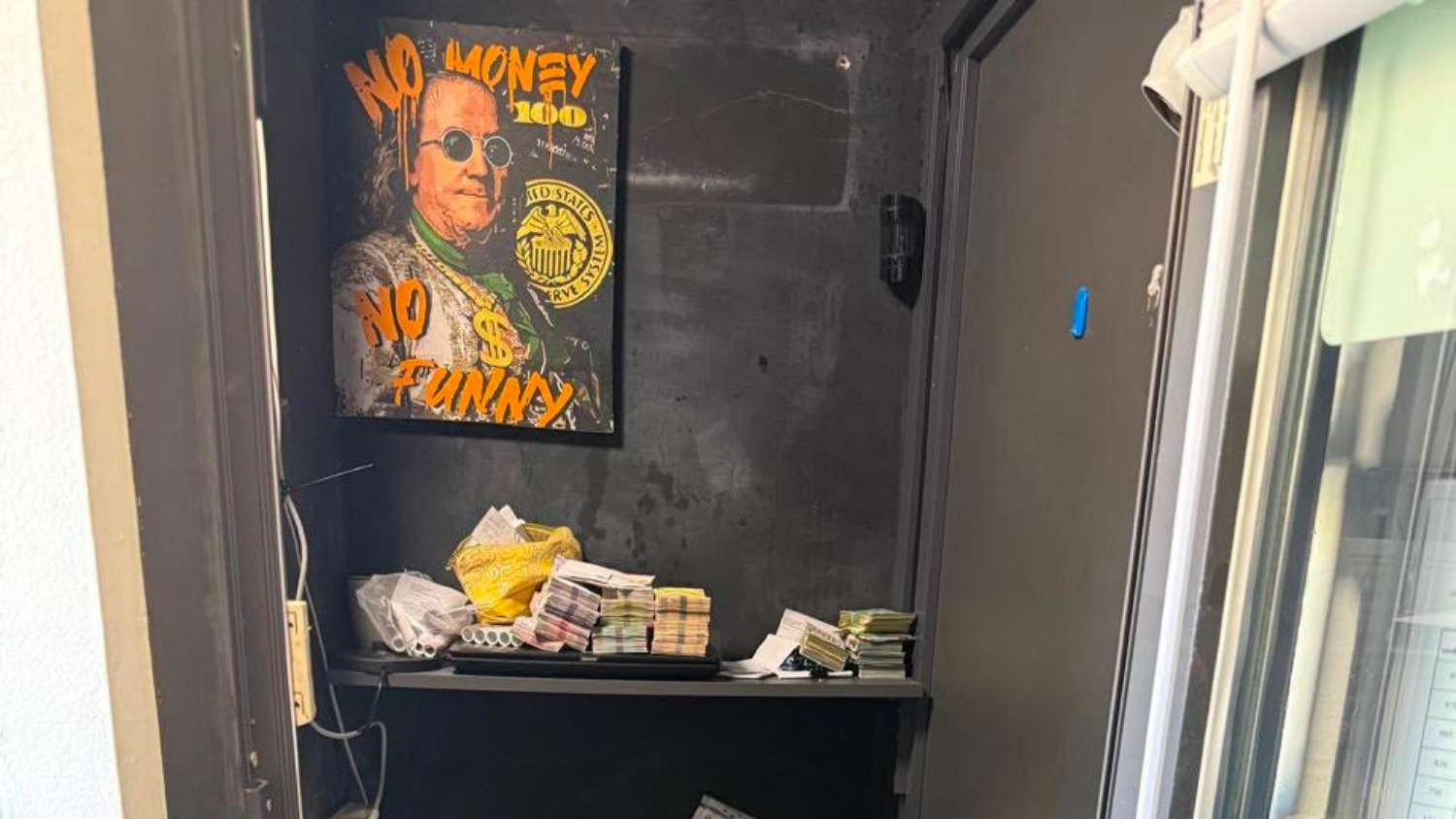
During the operation, law enforcement officers conducted simultaneous searches at several locations identified as part of the illegal exchange network. Investigators seized substantial amounts of cash in multiple currencies, including US dollars, euros, and Ukrainian hryvnias. The total value of confiscated assets reached 8 million hryvnias, making this one of the more significant currency-related seizures in recent months. Documentary evidence, including transaction records and client lists, was also collected to support the ongoing criminal investigation into the network’s operators and potential connections to larger money laundering schemes.
The Bureau of Economic Security noted that illegal currency exchange operations pose multiple threats to Ukraine’s financial system. These unlicensed establishments often serve as conduits for money laundering, tax evasion, and potentially even financing of illicit activities. By operating outside the regulated banking system, they deprive the state budget of significant tax revenues while offering criminals a convenient way to move funds without proper documentation or oversight.
Regulatory Framework and Growing Enforcement Efforts
Under Ukrainian law, all currency exchange operations must be conducted through licensed financial institutions that comply with National Bank of Ukraine regulations. These requirements include proper registration, regular reporting, customer identification procedures, and adherence to anti-money laundering protocols. The penalties for operating illegal exchange points can include substantial fines and criminal prosecution, with organizers facing potential imprisonment. Since the beginning of the full-scale invasion in February 2022, Ukrainian authorities have intensified efforts to combat financial crimes, recognizing that maintaining economic stability is crucial to the country’s defense capabilities.
The shadow currency exchange market has historically been a persistent problem in Ukraine, with illegal operators often offering slightly better exchange rates to attract customers while avoiding the compliance costs that legitimate businesses must bear. Experts estimate that before the war, the illegal currency exchange market could have represented billions of hryvnias in annual turnover. The wartime conditions have created additional incentives for such operations, as currency fluctuations and restrictions on certain financial transactions have increased demand for off-the-books exchange services.
Implications for Economic Security During Wartime
The successful operation underscores Ukraine’s commitment to maintaining rule of law and financial integrity even amid the challenges of ongoing military conflict. Economic security officials have emphasized that combating financial crimes is not merely a matter of tax collection but a critical component of national security. Illegal financial networks can be exploited by hostile actors, and the resources they divert from the official economy weaken the state’s capacity to fund defense and essential services. The Bureau of Economic Security has indicated that investigations will continue to identify all individuals involved in operating the network and any potential connections to other criminal enterprises.
Looking ahead, authorities have announced plans to strengthen monitoring and enforcement activities targeting illegal financial operations throughout the country. The National Bank of Ukraine and law enforcement agencies are developing enhanced cooperation mechanisms to more quickly identify and shut down unlicensed exchange operations. Citizens are being encouraged to use only licensed financial institutions for currency exchange and to report suspected illegal operations to authorities, contributing to the collective effort to maintain Ukraine’s economic resilience during this critical period.
Expert Opinion: This operation signals an important shift toward prioritizing economic security alongside military defense in Ukraine’s wartime strategy. Financial analysts suggest that successful enforcement actions like this one serve a dual purpose: they recover immediate resources for the state budget while also deterring future violations by demonstrating that illegal operators face real consequences. As Ukraine continues to receive substantial international financial support, maintaining transparent and regulated financial systems becomes even more critical for sustaining donor confidence and long-term economic recovery prospects.