


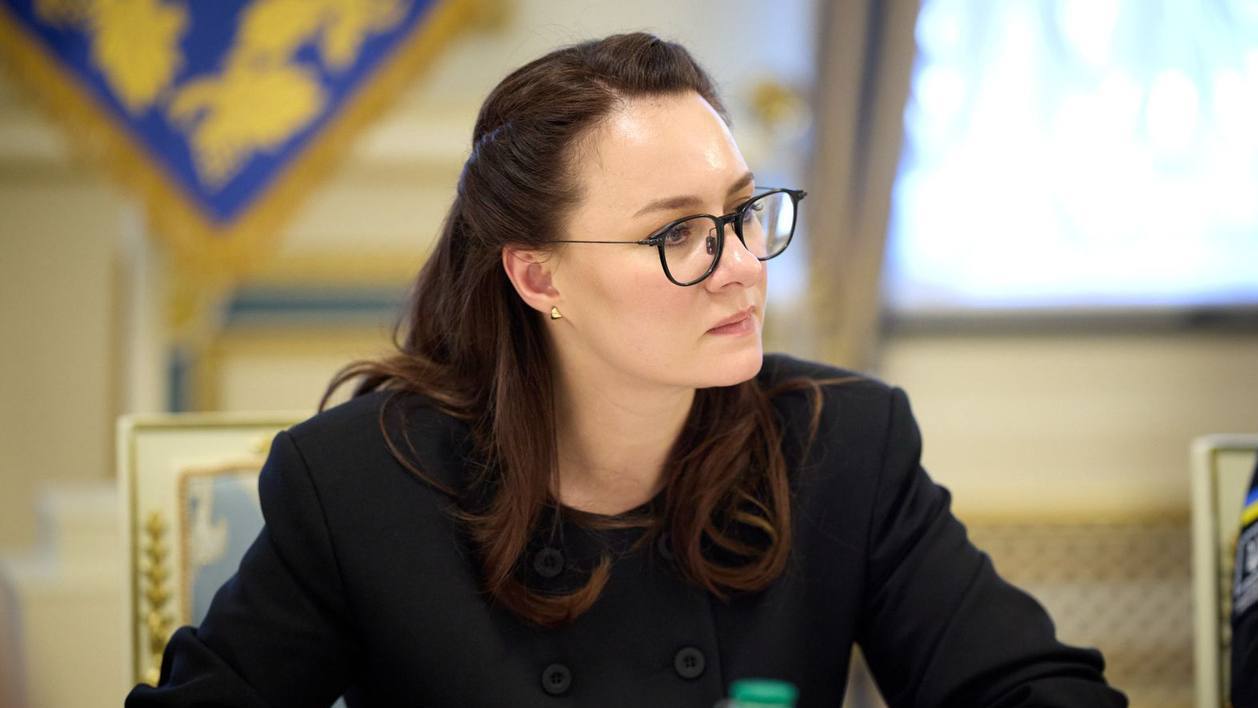
The nomination of former First Deputy Prime Minister Yulia Svyrydenko for the position of CEO at Naftogaz, Ukraine’s state-owned oil and gas company, has reportedly caught the company’s supervisory board off guard. According to sources familiar with the matter, board members were not consulted prior to the announcement, raising questions about the transparency of the selection process and potential legal complications surrounding the appointment.
The unexpected nature of the nomination has sparked considerable debate in Ukrainian political and business circles, particularly given existing legal restrictions on former government officials taking leadership positions in companies they previously oversaw. Under Ukrainian law, former officials are prohibited from assuming executive roles in companies whose activities they influenced for a period of one year following their departure from government service.
Legal Concerns and Conflict of Interest Questions
The legal framework governing the transition of government officials to the private sector, commonly known as ‘revolving door’ legislation, was implemented to prevent conflicts of interest and ensure that former officials do not leverage their previous positions for personal gain. As First Deputy Prime Minister, Svyrydenko wielded significant influence over Ukraine’s energy sector, including direct involvement in policies affecting Naftogaz’s operations. Critics argue that her immediate transition to leading the company could violate both the letter and spirit of these anti-corruption measures.
Legal experts have pointed out that the one-year cooling-off period exists precisely to prevent situations where former officials might benefit from relationships, insider knowledge, or policy decisions made during their tenure in government. The restriction is designed to maintain public trust in both government institutions and state-owned enterprises, which play a crucial role in Ukraine’s economy, particularly during the ongoing conflict.
Naftogaz’s Strategic Importance to Ukraine
Naftogaz occupies a central position in Ukraine’s energy security infrastructure, managing the country’s natural gas production, storage, and transit operations. The company has faced enormous challenges since Russia’s full-scale invasion in February 2022, including attacks on energy infrastructure, disrupted supply chains, and the complex task of maintaining operations during wartime conditions. The choice of leadership for such a strategically vital enterprise carries implications far beyond corporate governance, touching on national security and Ukraine’s relationships with European energy partners.
The company has historically been at the center of Ukraine’s energy diplomacy, particularly regarding the transit of Russian natural gas to European markets. While these transit flows have diminished significantly since the invasion, Naftogaz continues to manage critical storage facilities that serve both domestic needs and European energy security. The supervisory board’s apparent exclusion from the nomination process has raised concerns about whether proper corporate governance procedures are being followed during this critical period.
Political Context and Governance Implications
The manner in which Svyrydenko’s candidacy emerged reflects broader tensions in Ukrainian politics regarding the balance between executive efficiency and institutional checks and balances. While wartime conditions often necessitate rapid decision-making, critics argue that bypassing established procedures for such a significant appointment sets a troubling precedent. The supervisory board’s role is precisely to ensure that leadership transitions at state-owned enterprises follow proper protocols and serve the company’s long-term interests rather than short-term political considerations.
International partners and investors closely monitor governance practices at Ukraine’s major state-owned enterprises, particularly as the country seeks continued Western support and eventual European Union membership. Adherence to transparent, rules-based governance is considered essential for Ukraine’s reform trajectory and its credibility with international financial institutions. How this nomination process is ultimately resolved may signal the government’s commitment to these principles during an exceptionally challenging period in the nation’s history.
Expert Opinion: The Svyrydenko nomination highlights the persistent tension between Ukraine’s reform commitments and wartime governance pressures. If the appointment proceeds despite apparent legal restrictions, it could undermine confidence in Ukraine’s anti-corruption framework at a critical moment when Western backing depends heavily on demonstrated institutional integrity. Expect international partners to closely scrutinize how this situation is resolved as a bellwether for broader governance standards.