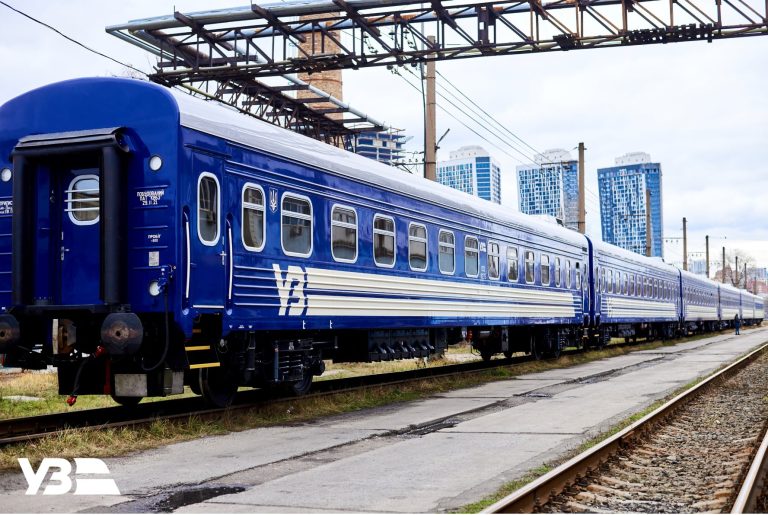


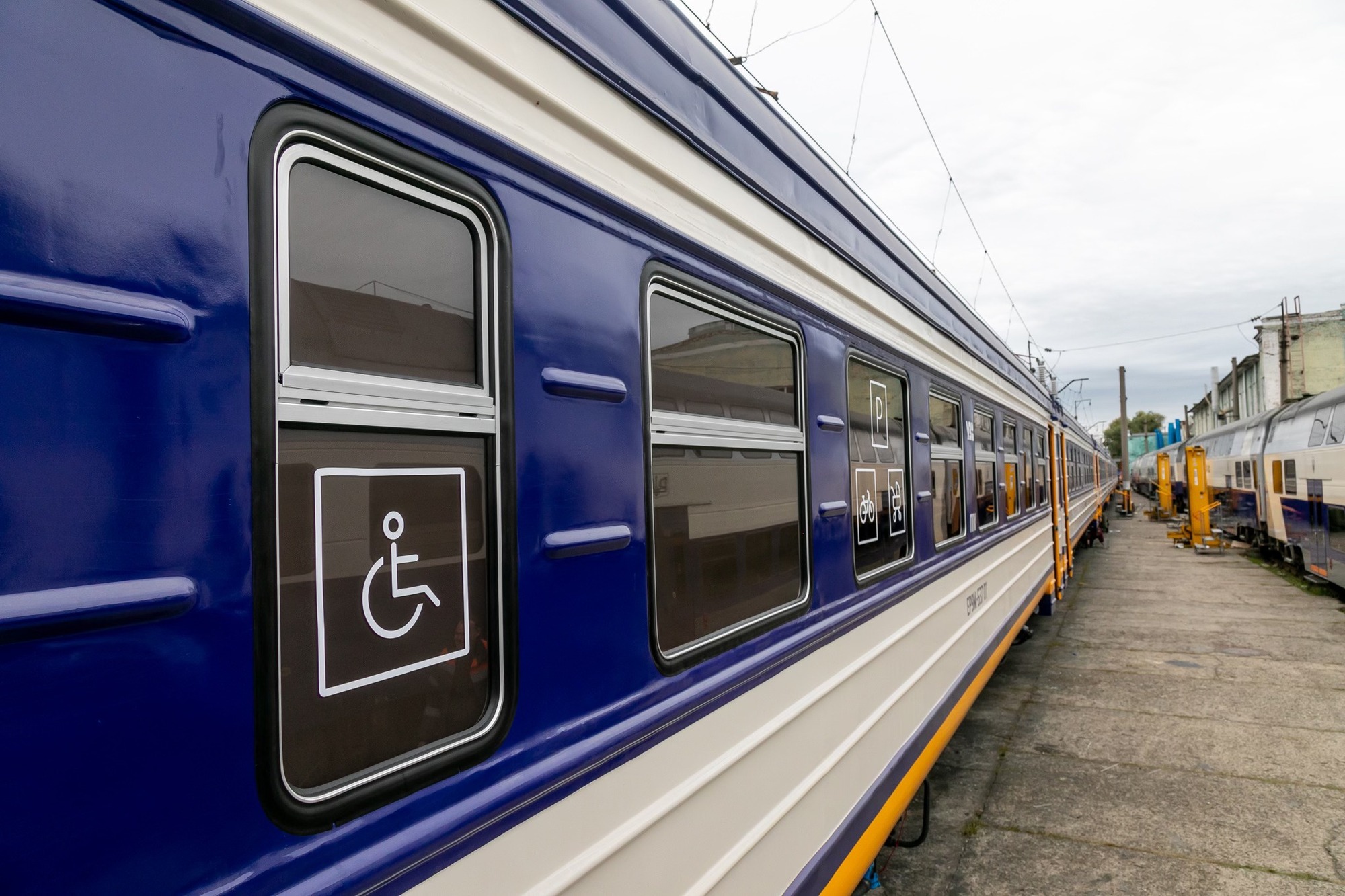
Ukraine’s state-owned railway company, Ukrzaliznytsia, is preparing a fresh debt restructuring proposal for bondholders managing approximately $1.1 billion in outstanding debt obligations, according to a report by Bloomberg. The new initiative comes on the heels of significant freight tariff increases that the company implemented to stabilize its financial position amid the ongoing conflict and challenging economic conditions facing the country’s critical transportation infrastructure.
The railway operator, which serves as the backbone of Ukraine’s logistics network, has been navigating unprecedented challenges since Russia’s full-scale invasion began in February 2022. The company has faced substantial infrastructure damage, disrupted operations, and mounting financial pressures that have complicated its ability to service existing debt obligations to international creditors.
Background on Ukraine’s Railway Crisis
Ukrzaliznytsia operates one of the largest railway networks in Europe, spanning approximately 23,000 kilometers of track and employing over 200,000 workers. The company plays an essential role not only in domestic transportation but also in facilitating crucial grain exports and humanitarian aid deliveries during wartime. Before the conflict, the railway system handled roughly 80% of Ukraine’s freight transportation, making it indispensable to the national economy.
The company’s financial troubles predate the current conflict but have been significantly exacerbated by wartime conditions. Infrastructure damage from military operations has required substantial emergency repairs, while simultaneously, the company has had to maintain operations under extremely difficult circumstances. The loss of access to certain territories and the disruption of traditional trade routes have further complicated revenue generation efforts.
Freight Tariff Adjustments and Financial Strategy
The recent increase in freight tariffs represents a crucial component of Ukrzaliznytsia’s broader strategy to improve its financial health and demonstrate to bondholders that the company is taking concrete steps toward fiscal sustainability. Tariff adjustments, while potentially controversial given wartime economic pressures on Ukrainian businesses, provide the railway operator with enhanced revenue streams necessary to service its substantial debt load and maintain essential operations.
Industry analysts suggest that the tariff increases were a necessary precondition for any meaningful restructuring negotiations. Bondholders typically require evidence that a debtor company is implementing genuine reforms and revenue enhancement measures before agreeing to modify repayment terms. The timing of this announcement suggests that Ukrzaliznytsia’s management believes it now has sufficient leverage and credibility to present a compelling restructuring case to its creditors.
Implications for International Investors and Ukraine’s Economy
The proposed debt restructuring carries significant implications for international investors who hold Ukrainian corporate bonds and are closely watching how the country manages its wartime financial obligations. Successful negotiations could set important precedents for other Ukrainian state-owned enterprises facing similar challenges and could help maintain international investor confidence in Ukrainian debt instruments more broadly.
For Ukraine’s economy, keeping Ukrzaliznytsia operational and financially viable remains a strategic priority. The railway network has proven essential for military logistics, civilian evacuation operations, and maintaining economic activity in accessible regions. Western partners and international financial institutions have expressed support for Ukraine’s infrastructure resilience, and a successful debt restructuring would align with broader international efforts to stabilize the country’s economy during the ongoing conflict and position it for post-war recovery.
Expert Opinion: The success of Ukrzaliznytsia’s restructuring proposal will likely depend on bondholders’ assessment of Ukraine’s long-term economic prospects and the company’s ability to implement sustained operational improvements. Given the strategic importance of railway infrastructure for both wartime logistics and future reconstruction, international creditors may show flexibility in negotiations, particularly if Western governments signal continued financial support for Ukraine’s critical state enterprises. This restructuring could serve as a template for managing sovereign-adjacent debt in conflict zones.