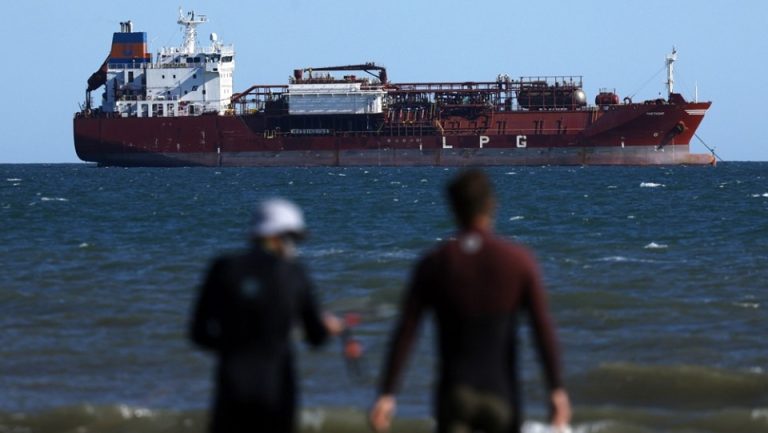



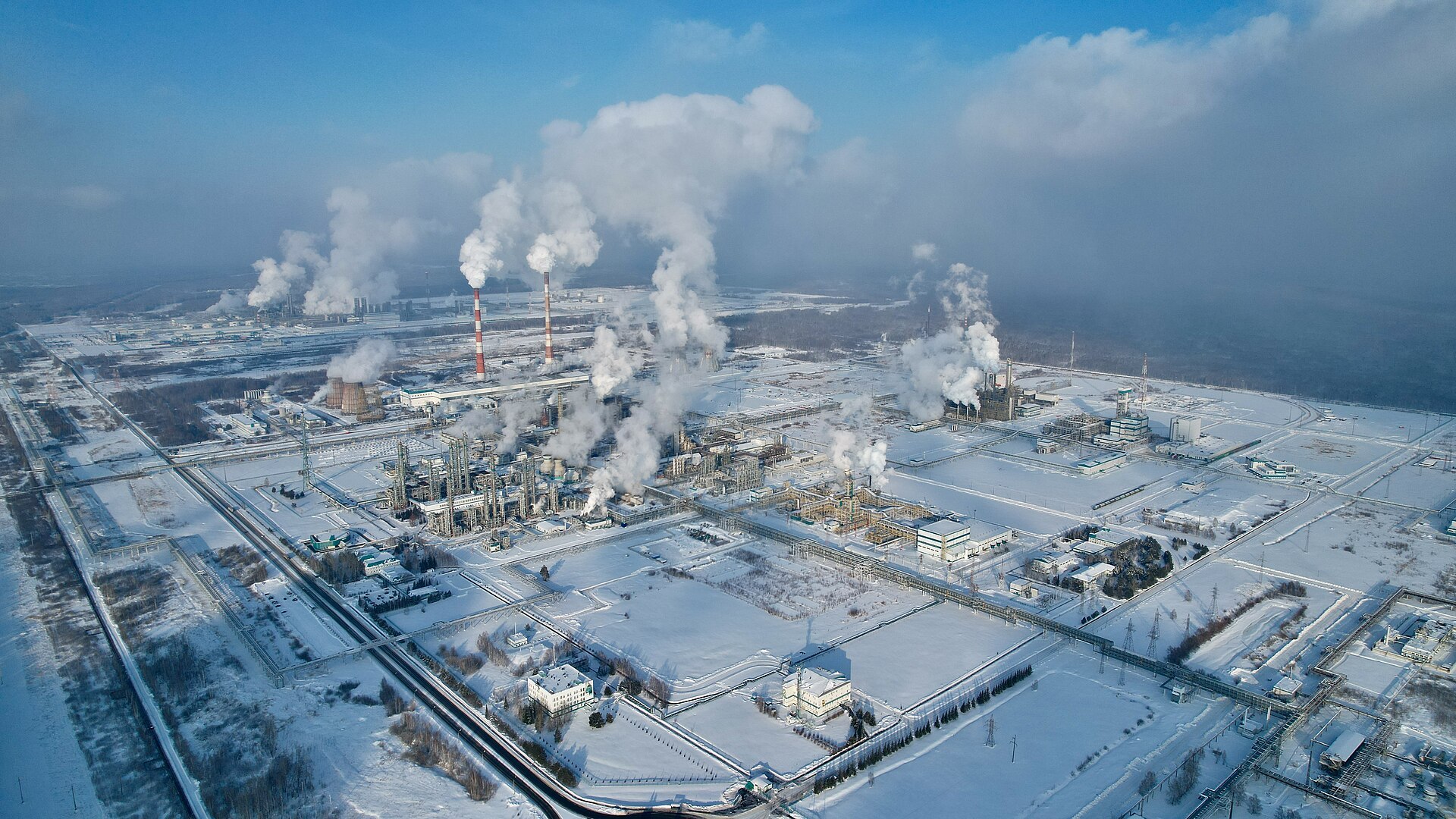
Russia’s largest liquefied petroleum gas (LPG) production facility, ZapSibNeftekhim, has been forced to suspend operations indefinitely following a Ukrainian drone attack, according to a report by Reuters. The massive petrochemical complex, operated by Russian energy giant SIBUR, announced the shutdown “to assess the extent of damage and its consequences,” marking another significant blow to Russia’s critical energy infrastructure amid the ongoing conflict with Ukraine.
The ZapSibNeftekhim facility, located in the Tyumen region of Western Siberia, represents one of the crown jewels of Russia’s petrochemical industry. Commissioned in 2019, the plant was built at a cost of approximately $9.5 billion and has the capacity to process up to 1.5 million tons of hydrocarbons annually. The complex produces polyethylene and polypropylene products crucial for various industries, from packaging to automotive manufacturing, making this disruption potentially far-reaching for Russia’s domestic economy and export capabilities.
Escalating Drone Warfare Targets Russian Energy Sector
This attack represents part of a broader Ukrainian strategy to strike deep into Russian territory, targeting the energy infrastructure that helps fund Moscow’s war effort. Over the past two years, Ukraine has significantly expanded its drone warfare capabilities, developing increasingly sophisticated unmanned aerial vehicles capable of reaching targets hundreds of kilometers inside Russian borders. The campaign has successfully disrupted operations at numerous Russian oil refineries, fuel depots, and now major petrochemical facilities.
Western military analysts have noted that these strikes serve multiple strategic purposes. Beyond the immediate physical damage, they force Russia to divert air defense resources from the front lines to protect rear-area industrial assets. Additionally, the attacks create insurance and operational challenges for Russian energy companies, potentially affecting their ability to maintain production levels and fulfill export contracts. The psychological impact on workers and nearby populations also cannot be underestimated.
Economic Implications for Russia’s Energy Exports
The indefinite shutdown of ZapSibNeftekhim could have significant ramifications for Russia’s petrochemical exports, particularly to Asian markets that have become increasingly important since Western sanctions restricted European trade. SIBUR, the facility’s operator, is Russia’s largest petrochemical company and has been working to expand its presence in China and other Asian countries. Any prolonged disruption to production could undermine these commercial relationships at a critical time for the Russian economy.
Energy sector experts suggest that repairing damage to such complex facilities is neither quick nor simple. Modern petrochemical plants contain intricate systems of pipes, reactors, and control equipment that require specialized components, many of which Russia may struggle to obtain due to international sanctions. Previous attacks on Russian refineries have resulted in shutdowns lasting weeks or even months, depending on the severity of damage and availability of replacement parts.
The Broader Context of Infrastructure Warfare
The targeting of ZapSibNeftekhim fits into a pattern of infrastructure warfare that has characterized the Russia-Ukraine conflict. Both sides have engaged in strikes against critical infrastructure, with Russia targeting Ukrainian power plants and electrical grid components, while Ukraine has focused on military installations and energy facilities within Russia. This approach reflects modern warfare’s evolution beyond traditional front lines, where economic and industrial targets have become legitimate military objectives.
International observers continue to monitor these developments closely, with some expressing concern about the potential for escalation while others view Ukraine’s strikes as legitimate acts of self-defense against an aggressor nation. The Russian government has condemned the attacks as terrorism, while Ukraine maintains that disrupting Russia’s war-funding capabilities is a necessary defensive measure. As the conflict enters its fourth year, both nations appear committed to their respective strategies, suggesting that attacks on critical infrastructure will likely continue for the foreseeable future.
Expert Opinion: The indefinite shutdown of ZapSibNeftekhim signals a significant escalation in Ukraine’s ability to impact Russia’s industrial heartland far from the front lines. If repair times extend beyond several months due to sanctions-related component shortages, we could see meaningful disruptions to Russia’s petrochemical export revenues, potentially affecting up to 2-3% of the sector’s output. This strike demonstrates that no Russian industrial facility, regardless of distance from Ukraine, can be considered safe from attack.