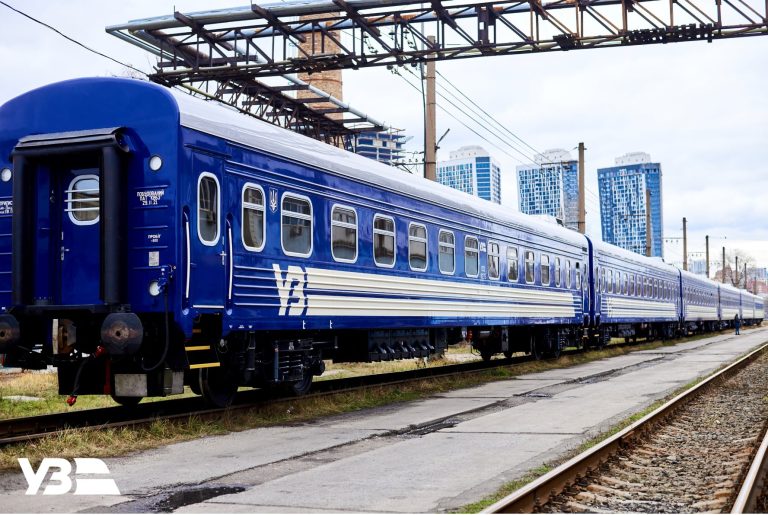


Ukraine’s Ministry of Infrastructure has launched what officials are calling the most significant public transportation tender in the past ten years, opening competition for 250 intercity bus routes across the country. The announcement marks a crucial step in maintaining and expanding public transit connectivity during wartime, with particular emphasis on serving communities near active conflict zones and border areas. According to ministry officials, more than 57% of the routes included in this tender either begin or terminate in frontline or border communities, underscoring the government’s commitment to ensuring these vulnerable populations maintain access to essential transportation services.
The scale of this tender reflects Ukraine’s ongoing efforts to normalize civilian infrastructure operations despite the ongoing Russian invasion that began in February 2022. Transportation networks have faced unprecedented challenges over the past three years, with routes disrupted by military activity, infrastructure damage, and population displacement affecting millions of Ukrainians. By prioritizing routes serving frontline and border communities, the ministry aims to provide vital lifelines for residents who have chosen to remain in or return to areas affected by the conflict, enabling access to medical care, employment, education, and family connections in safer regions.
Strategic Importance of Frontline Transportation
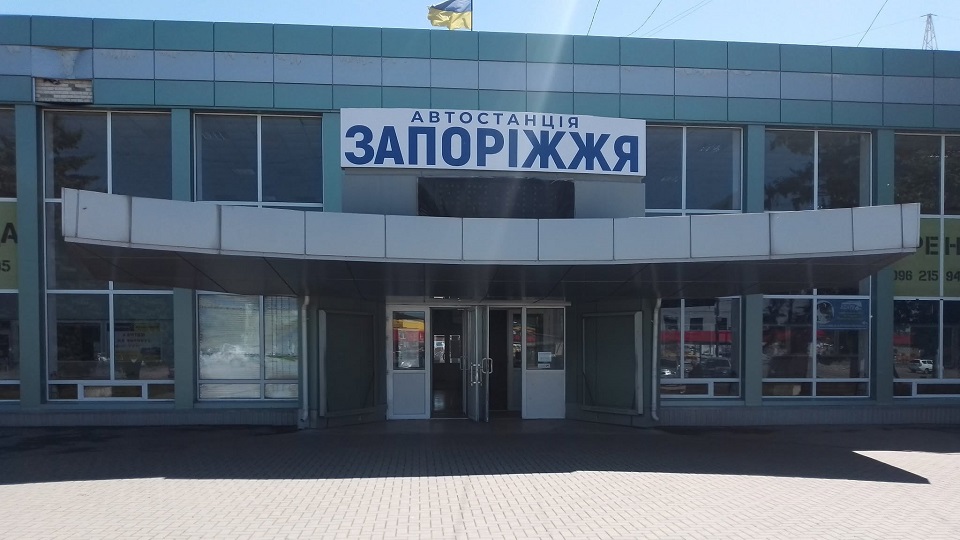
The decision to focus more than half of the tender routes on frontline and border areas carries significant strategic and humanitarian implications. Communities in eastern and southern Ukraine, particularly in regions such as Kharkiv, Zaporizhzhia, Kherson, and Donetsk oblasts, have experienced severe disruptions to their transportation infrastructure. Many residents depend on intercity buses as their primary means of reaching larger cities for essential services, given the damage to rail networks and the dangers associated with private vehicle travel in conflict-affected zones. Transportation experts note that maintaining reliable bus services in these areas serves both practical and psychological purposes, providing residents with a sense of normalcy and connection to the broader national community.
The tender process itself represents a return to competitive market practices that had been partially suspended during the acute phases of the conflict. Before the full-scale invasion, Ukraine’s intercity bus network was operated by a mix of state-supported and private carriers, with route licenses typically awarded through competitive bidding processes overseen by regional authorities and the national ministry. The current tender signals confidence in the stability of certain regions and the ability of transport operators to maintain regular service schedules despite ongoing security concerns. Industry analysts suggest that the large number of routes being offered simultaneously may attract significant interest from both established carriers and new market entrants seeking to expand their operations.
Rebuilding Ukraine’s Transportation Infrastructure
This initiative forms part of a broader government strategy to rebuild and modernize Ukraine’s transportation sector while the conflict continues. The Ministry of Infrastructure has been working to balance immediate wartime needs with longer-term development goals, recognizing that efficient public transportation is essential for economic recovery and maintaining social cohesion. International partners, including the European Union and various development banks, have provided technical and financial assistance for transportation projects, viewing them as critical components of Ukraine’s eventual integration into European transit networks. The tender requirements likely include specifications for vehicle quality, safety standards, and service reliability that align with European norms.
Historical context reveals the significance of this announcement. Ukraine’s intercity bus sector underwent substantial changes following the country’s independence in 1991, transitioning from a centrally planned system to a market-based model. The sector experienced periods of growth and consolidation, with improvements in vehicle quality and service standards particularly notable in the years following the 2014 conflict in Donbas. However, the full-scale invasion in 2022 reversed many of these gains, forcing operators to abandon routes, relocate operations, and adapt to rapidly changing circumstances. The current tender represents an attempt to restore competitive dynamics and service quality while acknowledging the continued challenges posed by the security situation.
Looking Ahead: Challenges and Opportunities
Transportation operators considering participation in the tender will need to carefully assess both the opportunities and risks involved. Operating routes in frontline or border areas requires enhanced security protocols, flexible scheduling to accommodate curfews and evacuation needs, and potentially higher insurance and operational costs. However, government support mechanisms and the essential nature of these services may provide certain advantages, including subsidies for unprofitable but socially necessary routes. The ministry has indicated that successful bidders will be expected to maintain service quality standards and demonstrate commitment to serving communities regardless of security fluctuations.
Expert Opinion: This tender signals Ukraine’s determination to maintain civilian infrastructure functionality as a form of resilience against ongoing aggression. The emphasis on frontline communities suggests the government is preparing for a prolonged conflict while simultaneously laying groundwork for post-war recovery. Success will depend on balancing operator profitability with social necessity, potentially requiring innovative public-private partnership models that could serve as templates for other war-affected sectors.