




In a significant development for the autonomous vehicle industry, Waymo, the self-driving technology subsidiary of Alphabet (Google’s parent company), has decided to terminate its partnership with ride-hailing giant Uber, according to a report by the Financial Times. The robotaxi market leader plans to operate independently in U.S. cities where its vehicles currently serve passengers through the Uber platform, marking a strategic pivot that underscores the company’s growing confidence in its ability to manage its own commercial operations.
The decision represents a major shift in the competitive landscape of autonomous transportation, as Waymo seeks to capture the full value chain of its robotaxi services rather than sharing revenue with a third-party platform. This move comes at a time when the autonomous vehicle sector is experiencing rapid growth and increasing investor interest, with companies racing to establish dominance in what many analysts predict will be a multi-billion dollar market.
Background of the Waymo-Uber Partnership
The partnership between Waymo and Uber was established as a strategic collaboration that allowed Waymo’s autonomous vehicles to be accessible through Uber’s widely-used ride-hailing application. This arrangement provided Waymo with immediate access to Uber’s massive customer base while giving Uber users the novel experience of riding in fully autonomous vehicles. The collaboration operated in select U.S. markets, serving as a testing ground for the commercial viability of robotaxi services integrated into existing transportation networks.
Historically, the relationship between these two companies has been complex and at times contentious. In 2017, Waymo filed a high-profile lawsuit against Uber, alleging that a former Waymo engineer had stolen trade secrets related to self-driving technology before joining Uber’s autonomous vehicle program. The case was settled in 2018, with Uber agreeing to pay Waymo approximately $245 million in equity and ensuring that Uber’s technology did not incorporate Waymo’s proprietary information. The subsequent partnership represented a remarkable reconciliation between the former adversaries.
Strategic Implications for the Autonomous Vehicle Industry
Waymo’s decision to go independent reflects broader trends in the autonomous vehicle industry, where leading technology providers are increasingly seeking to control their own destiny rather than relying on partnerships with traditional mobility companies. By operating its own fleet and customer-facing services, Waymo can maintain direct relationships with riders, gather valuable data on user preferences, and retain a larger share of revenue from each trip. Industry analysts suggest this vertical integration strategy mirrors successful approaches taken by technology companies in other sectors.
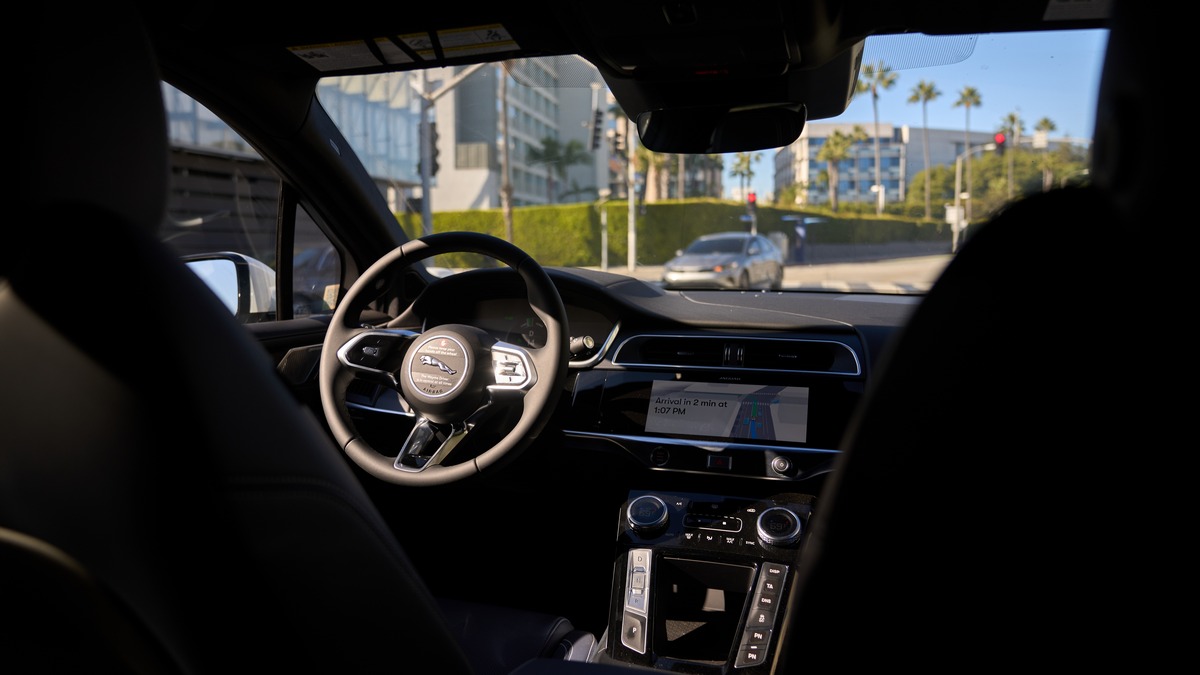
The robotaxi market has seen significant developments in recent years, with Waymo expanding its commercial operations in Phoenix, San Francisco, and Los Angeles. The company has completed millions of fully autonomous trips and continues to demonstrate impressive safety records compared to human-driven vehicles. Waymo’s fleet of modified Jaguar I-PACE electric vehicles and its proprietary sensor suite, known as the Waymo Driver, represent billions of dollars in research and development investment spanning more than a decade.
Impact on Uber and Future Market Competition
For Uber, the loss of the Waymo partnership represents a setback in its autonomous vehicle ambitions. The company sold its self-driving unit, Uber ATG, to Aurora Innovation in 2020 after investing heavily in the technology with limited commercial success. Partnerships with autonomous vehicle developers like Waymo had been part of Uber’s strategy to eventually offer driverless rides without the need for costly in-house development. The company will likely need to explore alternative partnerships or accelerate discussions with other autonomous vehicle providers to remain competitive in this emerging market segment.
Looking ahead, the autonomous vehicle industry is expected to continue its rapid evolution, with regulatory frameworks gradually adapting to accommodate self-driving technology on public roads. Companies like Cruise, backed by General Motors, and emerging Chinese players such as Baidu’s Apollo program are also vying for market share. Waymo’s decision to operate independently signals its belief that the technology has matured sufficiently to support standalone commercial operations, potentially accelerating the timeline for widespread robotaxi adoption across the United States and eventually international markets.
Expert Opinion: Waymo’s strategic pivot away from Uber reflects a maturing autonomous vehicle market where technology leaders increasingly recognize the value of controlling the entire customer experience. This move could trigger similar decisions by other AV companies and may accelerate industry consolidation, as traditional ride-hailing platforms face growing pressure to either develop proprietary autonomous technology or risk becoming obsolete in the transition to driverless transportation.